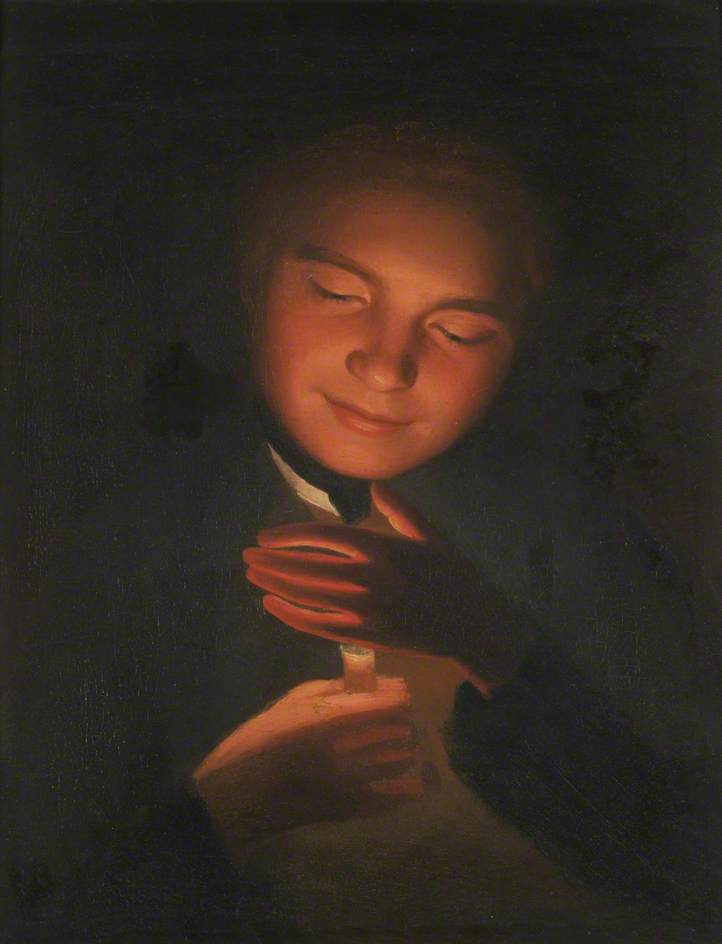
George Romney’s luminous study captures rural tranquility with James Romney gazing thoughtfully at candlelight—a masterful depiction of Georgian domestic life by a celebrated portraitist. Explore this exquisite 1761 oil painting and bring timeless beauty into your home.
18世紀イギリスを代表する肖像画家、ジョージ・ロマネ。エレガントなスタイルと心理描写が光る作品は、貴族社会の姿を鮮やかに映し出します。特にエマ・ハミルトンを描いた作品群は傑作として知られ、ロマン主義絵画への影響も深いです。
ケンダルのアボット・ホール・アート・ギャラリーでは、有名なジョージ・ロムニー・コレクションをはじめ、歴史的な美術品から現代アートまで幅広く展示しています。グレードI指定のジョージ王朝様式の建物内で、17〜18世紀の風景画や肖像画をご堪能ください。心に響く展覧会があなたを待っています!
George Romney’s “The Artist’s Brother James Holding a Candle”: A Study in Domestic Tranquility
Romney's "The Artist’s Brother James Holding a Candle," completed in 1761, transcends mere portraiture; it embodies the quiet dignity of rural life and the subtle beauty found within domestic interiors—a hallmark of Romney’s distinctive artistic vision. Executed during his prolific period as London’s premier painter of nobility and gentility, this unassuming canvas offers a glimpse into a moment of contemplative repose amidst the bustling world of Georgian England.
Subject Matter and Composition
The painting depicts James Romney, George Romney's younger brother, seated in a richly upholstered armchair bathed in soft candlelight. He holds aloft a beeswax candle, gazing downwards with an expression of serene thoughtfulness. The surrounding space is sparsely furnished—a draped curtain hints at the room’s grandeur—emphasizing James’s solitary presence and fostering a palpable sense of intimacy. Romney skillfully captures not just physical likeness but also psychological nuance, conveying a profound stillness that speaks volumes about the sitter's inner life.
Style and Technique: Romney’s Luminosity
Romney’s technique is characterized by his masterful manipulation of light—a cornerstone of his artistic style. He achieved this luminous effect through meticulous layering of thin glazes of oil paint, painstakingly built up over time to create a velvety surface that absorbs and reflects candlelight with remarkable accuracy. This painstaking process resulted in an astonishingly realistic depiction of texture and illumination, capturing the subtle nuances of drapery folds and the flickering glow of the candle flame. The artist’s attention to detail is evident throughout the composition, from the meticulously rendered hands holding the candle to the delicate folds of James's waistcoat.
Historical Context: Georgian Domestic Ideal
“The Artist’s Brother James Holding a Candle” reflects the prevailing aesthetic ideals of the Georgian era—specifically, the fascination with idealized domestic scenes and the celebration of rural tranquility as opposed to the grandeur of urban life. Romney’s patrons sought images that conveyed comfort, refinement, and moral virtue; this painting perfectly encapsulates these aspirations. It aligns with broader artistic trends of the time, mirroring depictions of noble families enjoying leisure activities in their homes—a deliberate contrast to the often ostentatious displays of wealth prevalent in London society.
Symbolism: Light as Reflection of Inner Peace
The candle itself serves as a potent symbol within the painting – representing enlightenment, faith, and contemplation. James’s gaze downwards symbolizes introspection and an engagement with inner thoughts, mirroring Romney's own artistic philosophy. The candlelight illuminates not only James’s physical form but also his soul, suggesting that true beauty resides in simplicity and quiet reflection. Furthermore, the muted palette—dominated by warm browns and creams—contributes to the painting’s overall mood of serenity and understated elegance.
Emotional Impact: A Moment Frozen in Time
Ultimately, Romney's "The Artist’s Brother James Holding a Candle" evokes a feeling of profound peace and contemplative stillness. It invites viewers to pause and consider the beauty found within everyday life—a sentiment that resonates powerfully across centuries. The painting’s understated grandeur speaks to the enduring appeal of Romney’s artistic vision: a celebration of human dignity, domestic harmony, and the transformative power of quiet contemplation. Its current location at Abbot Hall Art Gallery in Kendal, Indonesia, ensures its continued appreciation by generations to come.