A Window into the Soul of Early Florence
Giotto di Bondone’s Stefaneschi Triptych, a cornerstone of early Renaissance art, isn't merely a religious depiction; it’s a profound exploration of human emotion and a pivotal shift away from the rigid formality of Byzantine painting. Completed around 1330 and now residing within the hallowed halls of the Pinacoteca Vaticana in Rome, this triptych offers a rare glimpse into the burgeoning humanist spirit that would define the era. It’s a work brimming with narrative power, technical brilliance, and an undeniable sense of immediacy – qualities that continue to resonate with viewers centuries later.
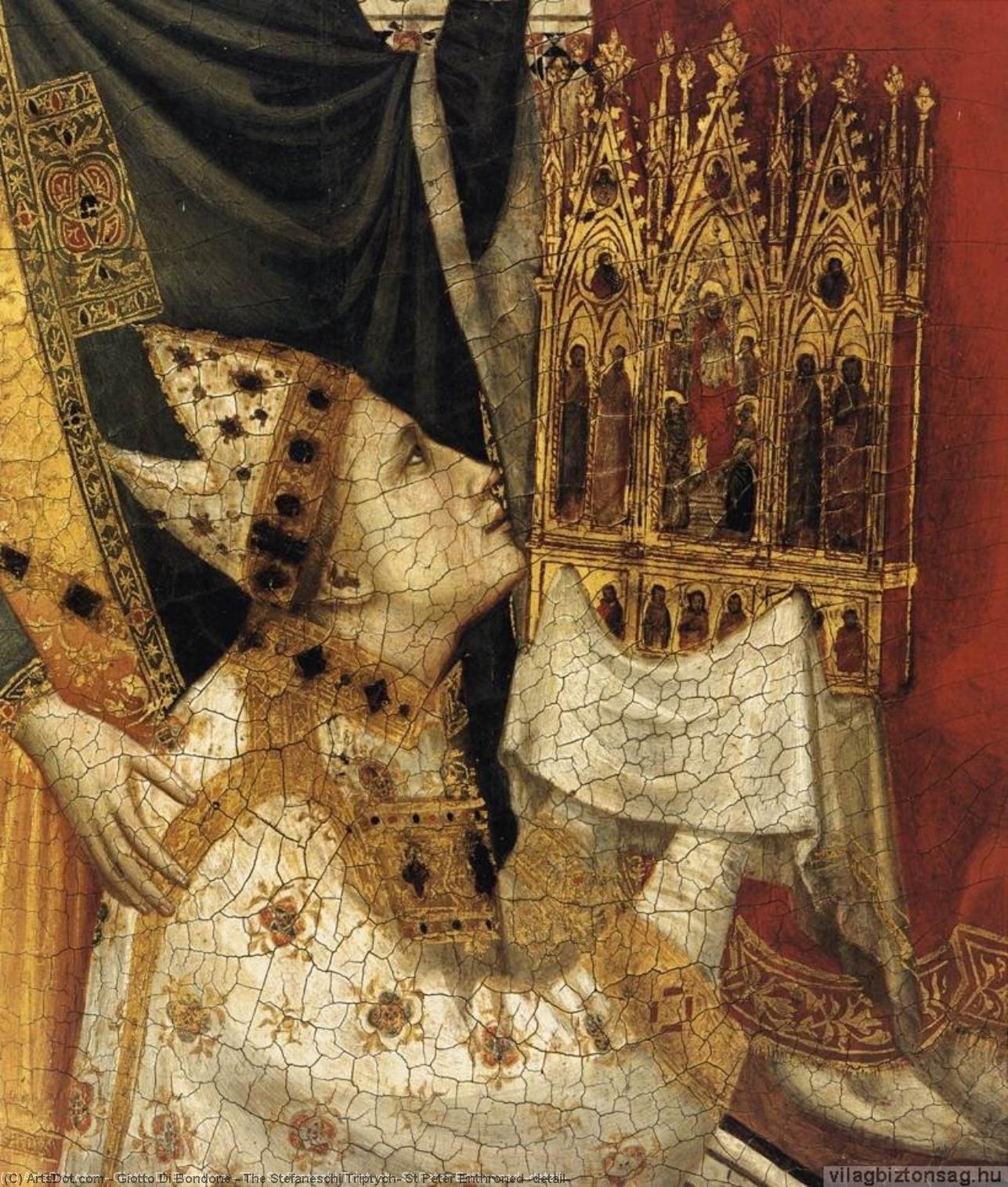
The commission itself is fascinating: commissioned by Cardinal Jacopo Caetani Stefaneschi, a prominent figure within the Catholic Church, this piece was intended as an altarpiece for one of the chapels in Old St. Peter’s Basilica. This context immediately elevates the work beyond a simple devotional image; it speaks to the political and religious landscape of 14th-century Rome – a city grappling with papal authority, civic pride, and the enduring legacy of the Roman Empire. The inclusion of the Cardinal as a kneeling figure, offering the painting, is itself a symbolic gesture, highlighting his piety and role in securing divine favor.
The Central Figure: St. Peter’s Throne
At the heart of the triptych lies the magnificent depiction of Saint Peter enthroned – a scene brimming with solemnity and authority. Giotto masterfully captures the weight of leadership, portraying Peter not as a triumphant warrior but as a figure imbued with quiet dignity and profound contemplation. The throne itself is remarkably detailed, suggesting a castle-like structure that anchors the scene in a sense of grandeur and permanence. Notice how Giotto subtly employs perspective – the receding lines of the background create an illusion of depth, drawing the viewer’s eye towards the central figure.
The figures flanking St. Peter are equally compelling. While seemingly secondary to the central saint, they contribute significantly to the overall composition and narrative. Their presence reinforces Peter's role as the foundation of the Christian Church, while their expressions – a mixture of reverence and concern – hint at the challenges inherent in leadership. The careful attention to detail in their drapery and facial features demonstrates Giotto’s commitment to naturalism—a radical departure from the stylized figures prevalent in Byzantine art.
Technique and Materials: Tempera's Subtle Power
Giotto’s choice of tempera as his medium was crucial to achieving the triptych’s remarkable luminosity and detail. Tempera, a fast-drying paint mixed with egg yolk, allowed for meticulous layering and blending—essential qualities for capturing the nuanced expressions and textures that define Giotto's style. The vibrant colors – particularly the rich reds and blues – are remarkably preserved, testament to the skill of the artists who cared for the painting over the centuries.
Furthermore, Giotto’s innovative use of light and shadow—known as *chiaroscuro*—adds a dramatic quality to the scene. He skillfully manipulates the interplay of light and dark to sculpt the figures, creating a sense of volume and three-dimensionality that was revolutionary for its time. This technique, combined with his masterful rendering of fabric and skin tones, elevates the triptych beyond mere representation; it becomes a powerful expression of human emotion.
A Legacy Forged in Emotion
The Stefaneschi Triptych stands as a pivotal work in art history—a bridge between the Byzantine past and the burgeoning Renaissance. Giotto’s emphasis on human emotion, naturalism, and spatial depth profoundly influenced subsequent generations of artists, including Masaccio, Brunelleschi, and Leonardo da Vinci. His innovations paved the way for the development of Western painting as we know it today.
Today, reproductions of this masterpiece offer a unique opportunity to experience Giotto’s genius firsthand. Whether you are an art enthusiast, collector, or simply seeking inspiration, a high-quality reproduction of the Stefaneschi Triptych is a stunning addition to any space—a tangible reminder of the enduring power of human creativity and the profound beauty of early Renaissance art.