A Glimpse into the Divine: Giotto’s “View of a Chapel”
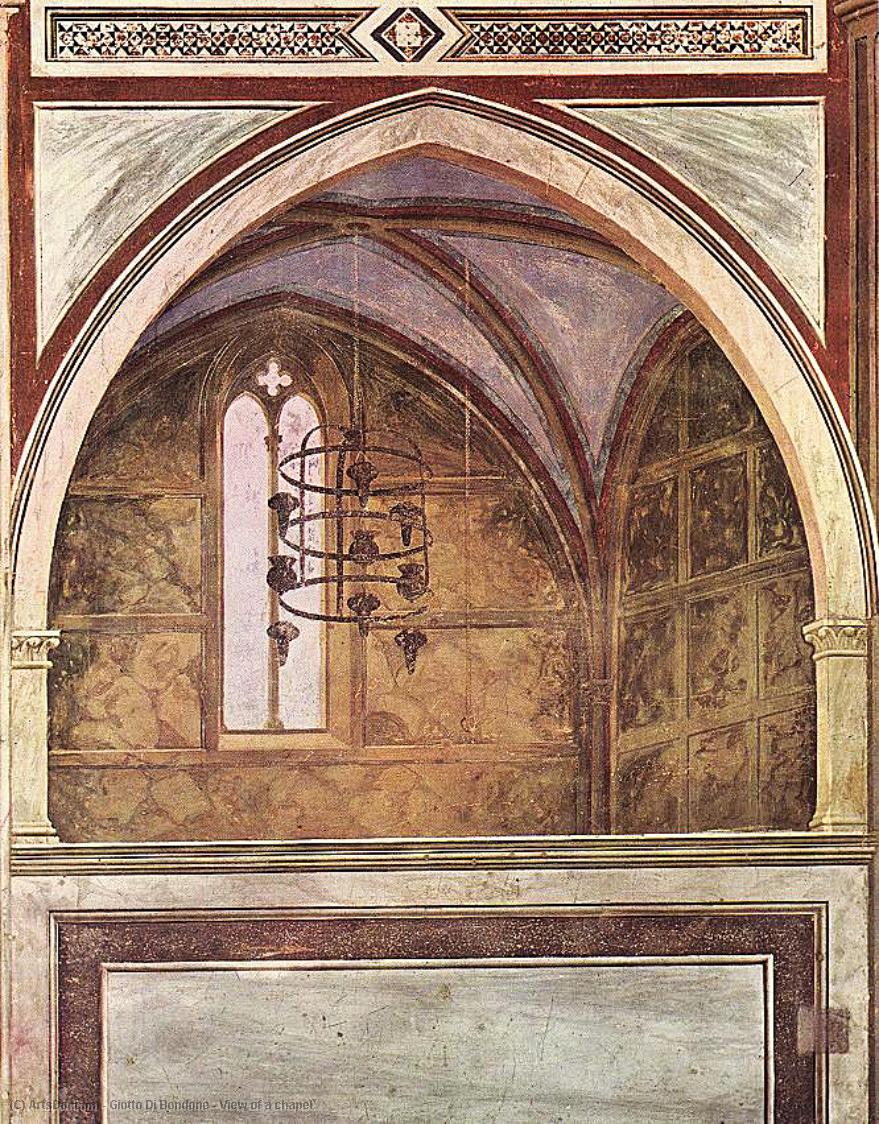
Giotto di Bondone's "View of a Chapel," painted in 1304, isn’t merely a depiction of an architectural space; it’s a profound meditation on light, perspective, and the very essence of human experience. Born in Florence around 1267, Giotto shattered the rigid conventions of Byzantine art, ushering in what we now recognize as the Proto-Renaissance – a period characterized by unprecedented realism and emotional depth. This fresco fragment, part of the breathtaking Scrovegni Chapel in Padua, Italy, offers an intimate invitation into a serene sanctuary, revealing Giotto’s revolutionary approach to capturing the world around him.
The chapel itself, commissioned by Enrico Scrovegni, was conceived as a personal penance and a testament to his family's piety. Giotto’s frescoes within its walls tell the stories of the Virgin Mary and Christ, but “View of a Chapel” stands apart, not as part of a larger narrative, but as a self-contained study in spatial illusion and atmospheric effect. It’s a moment frozen in time – a quiet contemplation of faith and beauty.
The Art of Illusion: Technique and Perspective
Giotto masterfully employs the techniques that would define his legacy. Notice how he doesn't simply represent the chapel; he constructs it. The archway, framed by windows that bathe the interior in a soft, diffused light, draws the eye into the depicted space. The use of *chiaroscuro* – the dramatic contrast between light and shadow – creates a palpable sense of depth, making the room feel remarkably real. Giotto’s innovative approach to perspective is particularly striking; he subtly manipulates size and detail to create an illusion of receding space, drawing the viewer into the heart of the chapel.
The fresco's execution reveals Giotto’s meticulous attention to detail. The smooth application of paint, the delicate rendering of architectural elements – from the intricate carvings on the archway to the subtle folds in the drapery – demonstrate his mastery of *tempera* and *fresco* techniques. He wasn’t simply painting a scene; he was sculpting with color, creating an immersive experience for the viewer.
Symbolism and Spiritual Resonance
Beyond its technical brilliance, “View of a Chapel” is rich in symbolic meaning. The chapel itself represents a space of refuge, a place of prayer and contemplation. The light streaming through the windows symbolizes divine grace, illuminating the sacred interior. The absence of figures – people or furniture – emphasizes the spiritual nature of the scene, inviting viewers to focus on the beauty of the architecture and the serenity of the space.
Furthermore, the archway acts as a visual metaphor for transition – moving from one state of being to another. It’s a portal, suggesting a journey towards enlightenment or a connection with the divine. The carefully chosen details—the chandelier, the paintings above—contribute to an atmosphere of reverence and tranquility.
A Legacy of Innovation
Giotto's “View of a Chapel” is more than just a beautiful painting; it’s a pivotal moment in art history. By moving away from the stylized conventions of Byzantine art, Giotto paved the way for the Renaissance and profoundly influenced generations of artists to come. His emphasis on realism, emotional expression, and innovative perspective revolutionized the way artists depicted the world, forever changing our understanding of visual representation. Today, reproductions of this masterpiece continue to inspire awe and wonder, offering a glimpse into the genius of one of history’s greatest painters.