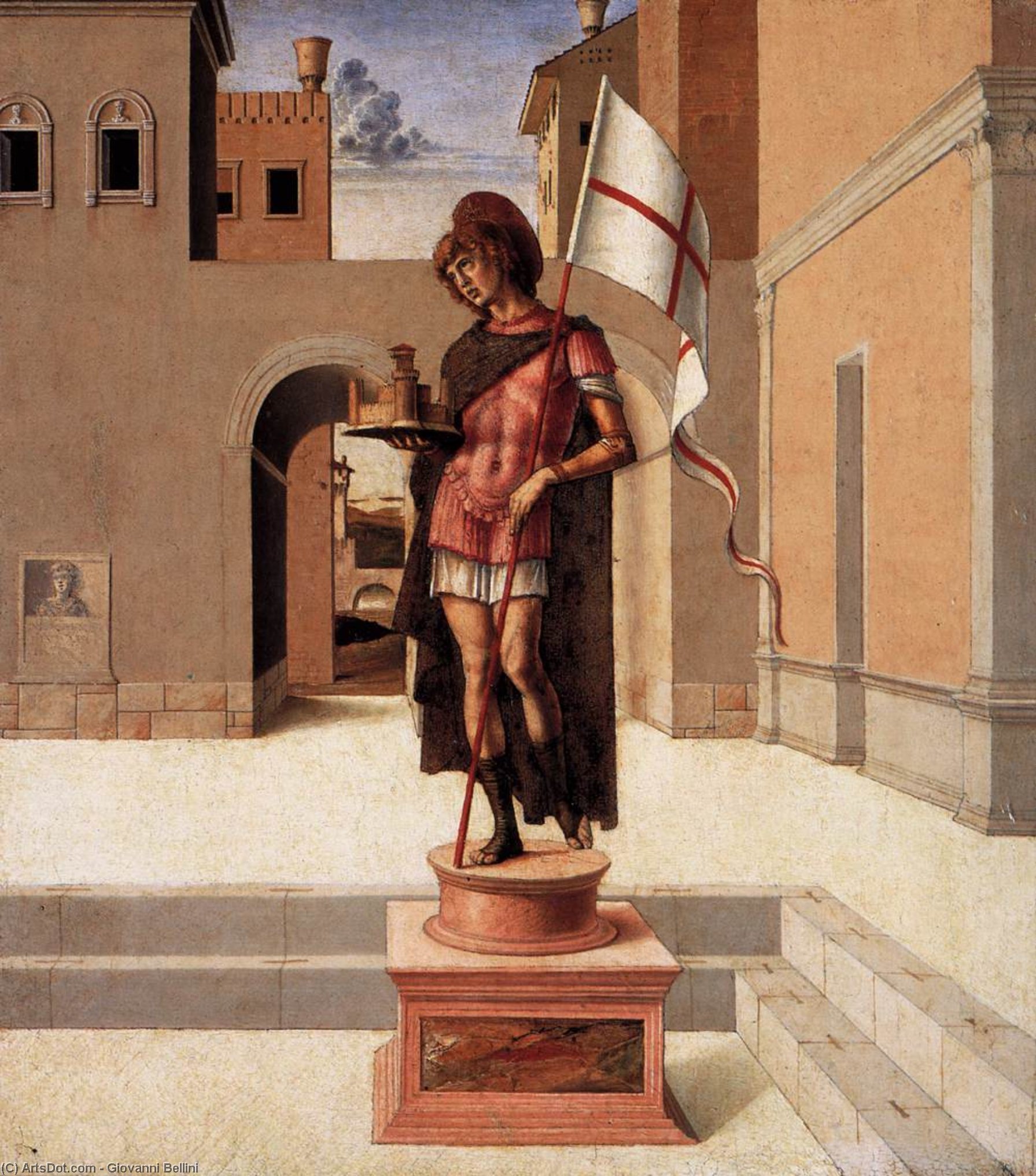
Giovanni Bellini’s Pesaro Altarpiece (1471) showcases a Roman-clad figure holding a flag amidst Venetian Renaissance innovation, utilizing groundbreaking smalt pigment for unparalleled luminosity. Discover this masterpiece and bring its devotional beauty into your space.
ジョヴァンニ・ベッリーニ(1433-1516):光り輝く色彩、穏やかな聖母像、情緒豊かな風景画で知られるヴェネツィア・ルネサンスの巨匠。ジョルジョネやティツィアーノに多大な影響を与えた。
パッラーツォ・モスカ市立美術館で、ペーザロの豊かな歴史と芸術を探索しましょう!見事な歴史的宮殿の中で、ルネサンスの傑作、バロック美術、陶磁器、そしてロッシーニの遺産に出会うことができます。
Giovanni Bellini’s Pesaro Altarpiece: A Symphony of Faith and Renaissance Innovation
The Pesaro Altarpiece (predella), completed in 1471 by Giovanni Bellini, stands as a cornerstone of Venetian Early Renaissance art—a testament to the burgeoning humanist spirit and masterful artistic execution that defined the era. Housed at the Musei Civici in Pesaro, Italy, this oil painting measuring 40 x 36 cm transcends mere depiction; it embodies a profound meditation on Christian devotion and represents Bellini’s groundbreaking approach to pigment and composition.
Composition and Figures: A Central Narrative
At its core lies a commanding figure dressed in Roman attire—a deliberate allusion to classical ideals of virtue and authority—standing upon a pedestal or base. This central figure, adorned in crimson robes accented with gold embroidery, holds aloft a shield bearing the emblem of Pesaro’s Franciscan Order, immediately establishing a visual hierarchy that directs the viewer's gaze. Alongside him are several supporting figures: saints venerated within Pesaro’s ecclesiastical community—Saint Terence, Saint Francis Xavier and Saint Augustine—each rendered with meticulous detail and imbued with palpable emotion. Their postures convey reverence and contemplation, mirroring the spiritual fervor of the time. The inclusion of a chariot in the background symbolizes pilgrimage and divine grace, furthering the altarpiece's narrative dimension.
Technique: Pioneering Oil Paint and Smalt
Bellini’s genius resided not merely in his anatomical accuracy but also in his innovative use of pigment—specifically, the incorporation of smalt, a brilliant cobalt blue produced from crushed glass. This technique, relatively novel for Venetian painting at the time, distinguishes itself from its predecessors and elevates the altarpiece's luminosity to an unprecedented level. Bellini’s masterful blending of colors achieves remarkable depth and realism, capturing subtle nuances of light and shadow that would become hallmarks of Renaissance art. The artist skillfully employs glazing techniques—applying thin layers of translucent pigment over previous coats—to build up tonal variations and create a shimmering surface texture.
Historical Context: Patronage and Franciscan Devotion
Commissioned by the influential Pesaro family, staunch supporters of the Franciscan Order, the altarpiece reflects the profound religious piety characteristic of Venetian society during Bellini’s lifetime. The patronage itself underscores the importance of faith within the cultural landscape—a theme powerfully conveyed through the depiction of saints and the chariot motif. Furthermore, the altarpiece's creation coincided with a period of artistic experimentation and intellectual ferment, mirroring broader trends in Europe as humanist thought challenged medieval dogma. Its presence at San Francesco church served as a tangible expression of devotion and solidified Bellini’s legacy as one of the foremost artists of his generation.
Symbolism: Echoes of Classical Virtue and Divine Grace
The Pesaro Altarpiece is replete with symbolic imagery—the Roman attire representing moral excellence, the shield emblazoned with the Franciscan emblem signifying religious affiliation, and the chariot symbolizing spiritual journey. These elements converge to communicate a complex theological message about salvation and divine grace. Bellini’s meticulous attention to detail ensures that every aspect of the composition contributes to this overarching narrative, inviting contemplation and fostering an appreciation for the artistic mastery of the Renaissance period.
Conclusion: A Timeless Masterpiece
Giovanni Bellini's Pesaro Altarpiece remains a captivating exemplar of Early Renaissance artistry—a harmonious blend of humanist ideals and technical innovation. Its luminous palette, masterful composition, and profound symbolic depth continue to inspire admiration and resonate with viewers today. To experience the beauty and intellectual richness of this iconic artwork firsthand, consider acquiring a high-quality reproduction from ArtsDot – where you can bring a piece of Venetian history into your home.