A Symphony of Sorrow and Serenity
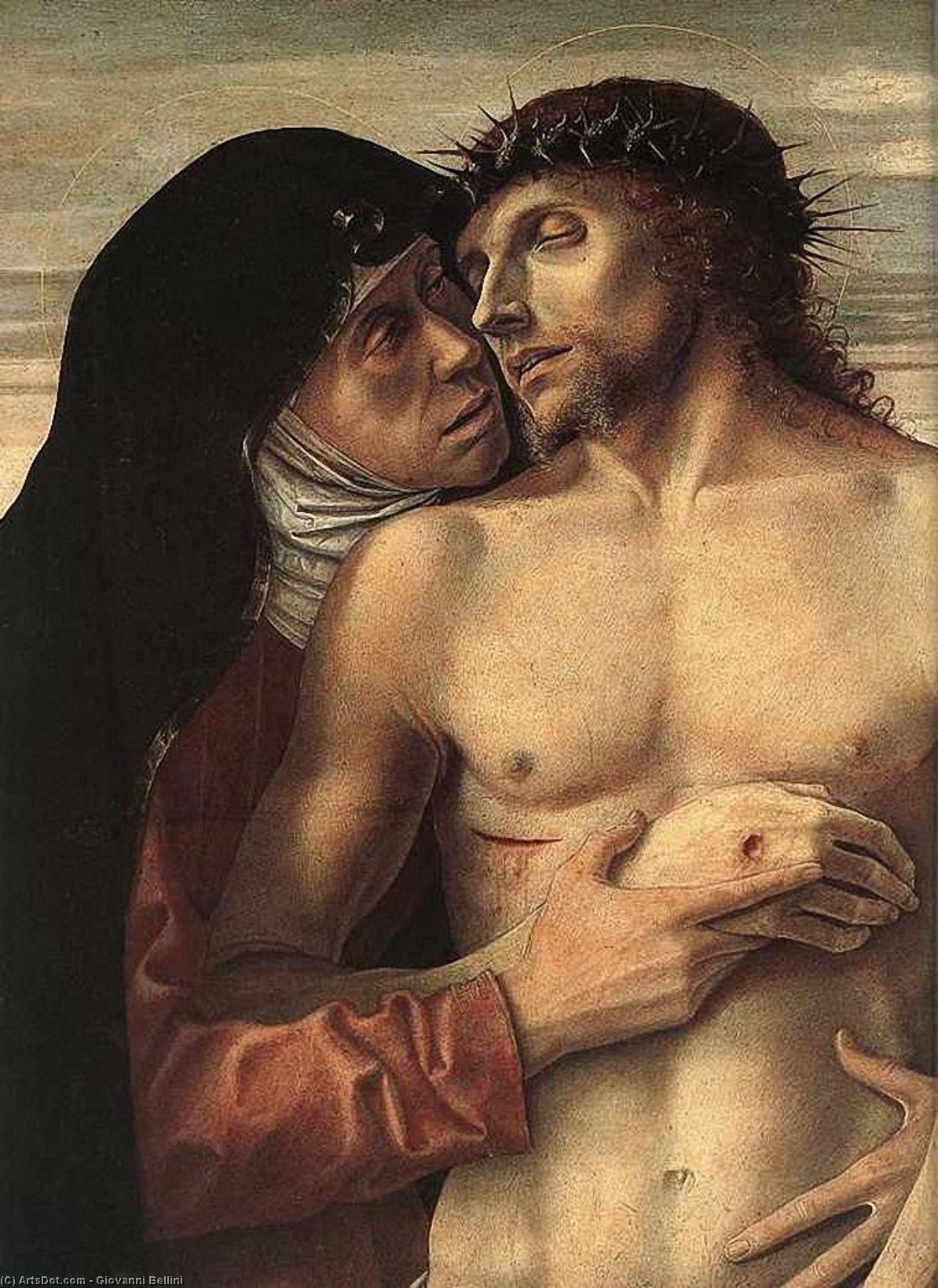
In the quiet corridors of the Pinacoteca di Brera in Milan, there exists a moment frozen in time, a profound intersection of human suffering and divine peace. Giovanni Bellini’s Pietà, a masterpiece dating to approximately 1460, is far more than a mere religious depiction; it is an immersive emotional experience. The scene captures the heavy, breathless stillness following the Crucifixion, as the lifeless body of Jesus Christ is cradled in a moment of profound intimacy. Bellini, a titan of the Venetian Renaissance, moves beyond the rigid, stylized conventions of the preceding Gothic era to present a vision that feels startlingly human. Through his masterful hand, the weight of Christ's body and the tender grief of those surrounding him become palpable, inviting every viewer—whether an art historian or a passionate collector—to enter into a state of deep, spiritual contemplation.
The composition is a masterclass in Renaissance balance and symbolic depth. Bellini utilizes a subtle pyramidal structure, a hallmark of the era, which provides a sense of eternal stability to the tragic subject matter. This geometric harmony directs the eye upward, suggesting a spiritual ascension even amidst the gravity of death. The figures are set against a soft, hazy sky that seems to breathe with a melancholic light, blurring the lines between the earthly realm and the heavens. Every element, from the way the light catches the wounds on Christ's skin to the somber drapery of the mourning figures, serves to underscore themes of compassion, sacrifice, and the enduring grace of the divine. For those looking to bring a sense of historical weight and contemplative beauty into a curated space, this work offers an unparalleled atmosphere of dignity.
The Mastery of Light and Venetian Color
What truly distinguishes Bellini’s Pietà is his pioneering use of technique, specifically his early and innovative application of oil and tempera. At a time when the medium was still evolving, Bellini utilized these layers to achieve an unprecedented luminosity. He possessed a rare ability to manipulate light and shadow—the chiaroscuro—to sculpt the forms of the figures, giving them a three-dimensional presence that feels almost tactile. The color palette is intentionally restrained, dominated by cool blues, muted grays, and earthy tones. This deliberate choice avoids the distraction of vibrant hues, instead fostering an atmosphere of profound melancholy and quietude. The subtle gradations of light across the pale skin of Christ create a hauntingly beautiful contrast against the darker, more textured fabrics of the mourners.
This technical brilliance serves a higher purpose: to heighten the emotional intensity of the narrative. The way the light seems to emanate from within the figures themselves suggests a sanctity that transcends the physical world. For interior designers and art enthusiasts, the aesthetic appeal of this piece lies in its sophisticated tonal harmony. A high-quality reproduction of this work does not merely decorate a wall; it anchors a room with its somber elegance and rich, historical texture. It is an invitation to slow down, to reflect, and to appreciate the delicate balance between the tragedy of mortality and the serenity of faith—a timeless addition to any collection dedicated to the profoundest reaches of human expression.