グスタフ・クリムト(1862-1918)は、象徴主義とアールヌーヴォーの巨匠。代表作『接吻』や官能的な肖像画で知られ、ウィーン分離派を牽引しました。金箔を多用した装飾性と、愛と死をテーマにした作品が魅力です。
ウィーンのアルベルティーナ美術館で、美術史の宝を探索! ドゥーラーの「ハレ」からクリムトの研究まで、何世紀にもわたる傑作プリントや素描を発見。建築も必見です!
オーストリア
ウィーン
アルベルティーナ美術館
ドゥーラーの作品
36万 (2020年)
65,000点の素描、100万点以上の版画
版画美術館
1805年
古代エジプトの遺物
2
アルベルティーナ美術館のコレクションの中心は何ですか?
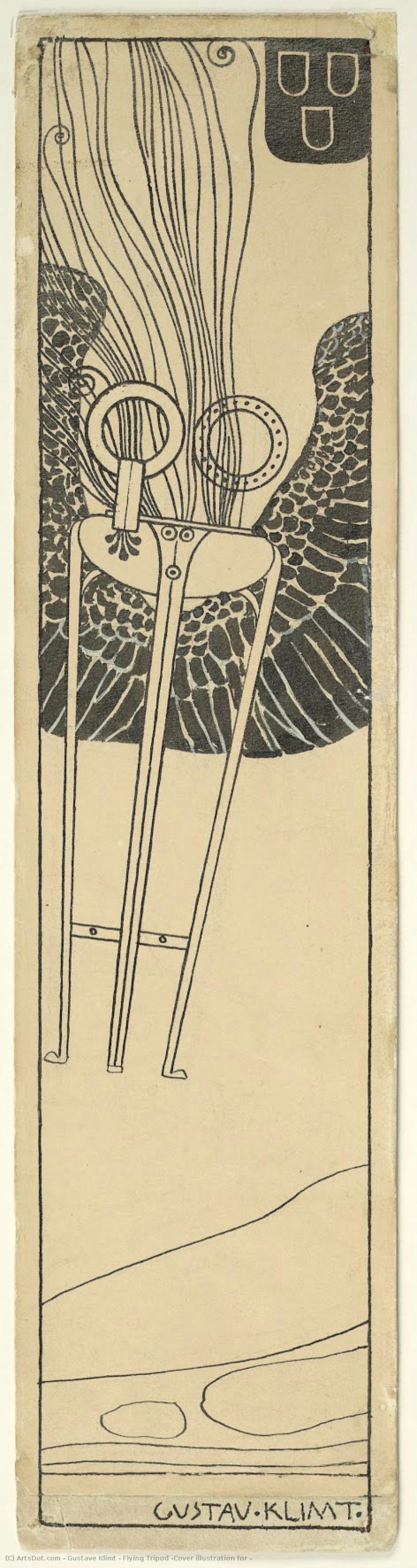
A Dance Between Myth and Modernity: Exploring Gustav Klimt’s “Flying Tripod”
Gustav Klimt's "Flying Tripod," created in 1898, stands as a cornerstone of Symbolist art and a mesmerizing testament to Klimt’s groundbreaking artistic vision. More than just a depiction of a man perched atop a tripod—a seemingly simple composition—the painting delves into profound themes of masculinity, spirituality, and the burgeoning anxieties of the fin de siècle era. It's a visual poem that continues to captivate audiences today, prompting contemplation on the relationship between tradition and progress.
The Style and Technique: Ornamentation as Expression
Klimt’s signature style is instantly recognizable through its opulent use of gold leaf—a technique he pioneered and perfected during this period—and intricate geometric patterns interwoven with organic forms. Unlike the prevailing academic realism of his time, Klimt rejected conventional representation in favor of a stylized aesthetic that prioritized emotional resonance over photographic accuracy. The tripod itself isn’t merely a structural element; it's rendered as a complex tapestry of interlocking shapes and textures, mirroring the artist’s fascination with Celtic symbolism and hinting at an underlying spiritual quest. Each brushstroke contributes to a textured surface that invites tactile engagement, emphasizing Klimt’s deliberate manipulation of materiality to convey meaning beyond mere visual appearance.
Historical Context: Vienna's Artistic Crucible
“Flying Tripod” emerged during Vienna’s vibrant artistic milieu—a period marked by intellectual ferment and the rise of psychoanalysis alongside Symbolist ideals. Klimt was deeply influenced by Nietzsche’s philosophy, which questioned religious dogma and championed individualism. This spirit permeated his work, reflecting a desire to explore subconscious impulses and confront existential anxieties. The painting speaks to the broader cultural preoccupation with notions of duality—male versus female, conscious versus unconscious—a dichotomy that finds expression in the contrasting figures surrounding the central man. Furthermore, it aligns itself with the Symbolist movement's rejection of naturalism, prioritizing subjective experience and imaginative vision as pathways to artistic truth.
Symbolic Layers: Journey Towards Transcendence
The symbolism embedded within “Flying Tripod” is rich and multilayered. The tripod represents stability and grounding amidst turbulent emotions—a visual metaphor for confronting inner turmoil. The bird soaring above symbolizes aspiration and freedom, contrasting with the grounded figure below. Gold leaf itself holds immense significance, representing divine illumination and spiritual transcendence – a deliberate allusion to Celtic iconography and Klimt’s belief in the transformative power of art. The man atop the tripod embodies masculine strength and resilience, yet he is also vulnerable, suggesting that true enlightenment requires acknowledging both power and humility.
Emotional Impact: A Visionary Resonance
Ultimately, “Flying Tripod” transcends its formal elements to evoke a profound emotional response. Its shimmering gold surface radiates warmth and luminosity, inviting viewers into a realm of contemplation. The stylized figures convey an aura of solemn grandeur, capturing the essence of human experience with remarkable sensitivity. Klimt’s masterful blending of geometric precision and organic fluidity creates a visual harmony that speaks to the subconscious mind—a testament to his ability to translate philosophical ideas into compelling artistic imagery. It remains a powerfully evocative artwork, continuing to inspire artists and collectors alike with its timeless beauty and enduring intellectual depth.