A Glimpse into Justice: Unveiling Gustav Klimt’s “The Jurisprudence”
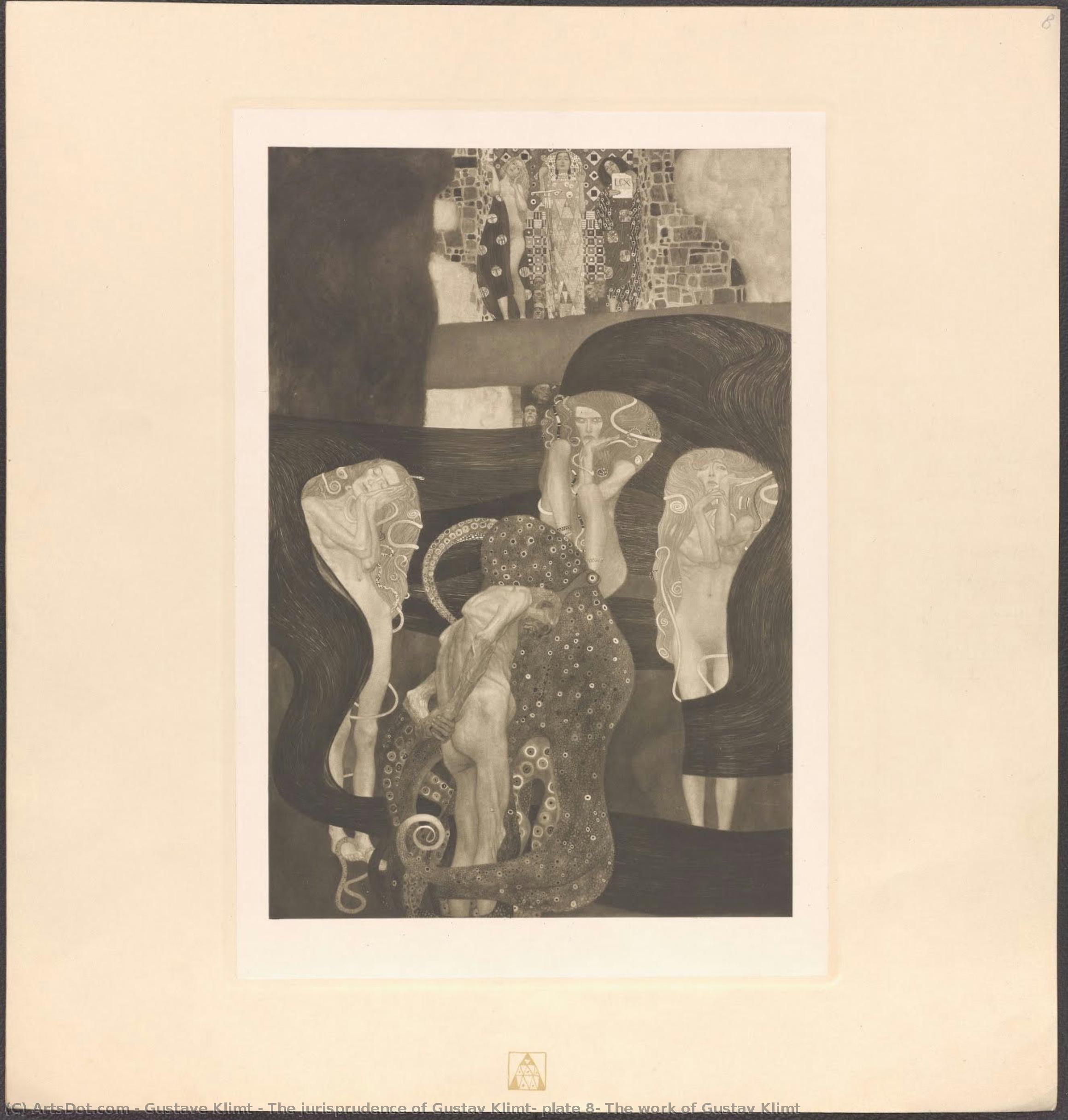
Gustav Klimt's "The Jurisprudence," completed in 1918, stands as a poignant and complex work within the artist’s oeuvre. More than simply a depiction of legal proceedings, it is a symbolic exploration of judgment, retribution, and the often-unyielding nature of fate. Created during the twilight years of his life – Klimt passed away shortly after its completion – this piece reflects a shift in his artistic approach, moving away from the opulent decorative style that defined his “golden phase” towards a more stark and angular aesthetic. Originally conceived as part of a series of three faculty paintings for the University of Vienna—alongside *Philosophy* and *Medicine*—it was met with considerable controversy, ultimately leading Klimt to withdraw from further public commissions.
From Controversy to Artistic Innovation
The genesis of “The Jurisprudence” is steeped in artistic and political tension. Klimt’s initial designs for the University ceiling paintings were deemed scandalous by conservative factions within Viennese society, who found their allegorical representations too provocative and lacking in traditional academic reverence. The painting depicts three female figures embodying Justice, Law, and Truth looming over a prostrate figure representing humanity burdened by sin or accusation. The starkness of this imagery, coupled with Klimt’s increasingly linear style—influenced significantly by the Belgian sculptor George Minne—provoked outrage. This rejection spurred a turning point in Klimt's career; he refused to compromise his artistic vision for public approval. The work embodies a departure from the atmospheric qualities of his earlier paintings like those found within the *Beethoven Frieze*, embracing instead a bolder, more graphic approach characterized by sharp lines and simplified forms.
Symbolism and Emotional Resonance
The symbolism embedded within “The Jurisprudence” is rich and multi-layered. The three goddesses are not portrayed as benevolent arbiters of justice but rather as stern, almost vengeful figures. Their intertwined bodies and the dark, angular lines that define their forms create a sense of oppressive weight. The central figure, bound by what appears to be octopus tentacles—a symbol often associated with inescapable fate or overwhelming forces—represents humanity at the mercy of an unyielding legal system. This is not a celebration of justice; it’s a stark commentary on its potential for harshness and inflexibility. The painting evokes feelings of anxiety, vulnerability, and perhaps even despair, prompting viewers to contemplate the complexities of law, morality, and human suffering. The absence of gold leaf, so characteristic of Klimt's earlier work, further emphasizes the somber mood and reinforces the sense of gravity.
A Legacy of Artistic Courage
Though initially met with resistance, “The Jurisprudence” remains a powerful testament to Klimt’s artistic courage and his willingness to challenge conventional norms. It is a work that continues to resonate with contemporary audiences, prompting reflection on the enduring themes of justice, power, and human fallibility. As part of a portfolio published in 1918 by Hugo Heller & Cie, it reached a limited audience but cemented its place within Klimt’s legacy. Today, high-quality reproductions allow art enthusiasts to experience the emotional depth and symbolic richness of this masterpiece firsthand, bringing a touch of Viennese Secession brilliance into their homes or offices. It serves as a reminder that true artistry often lies in confronting uncomfortable truths and challenging established perspectives.