A Portrait of Wealth and Introspection: Unveiling Holbein's "Untitled (4274)"
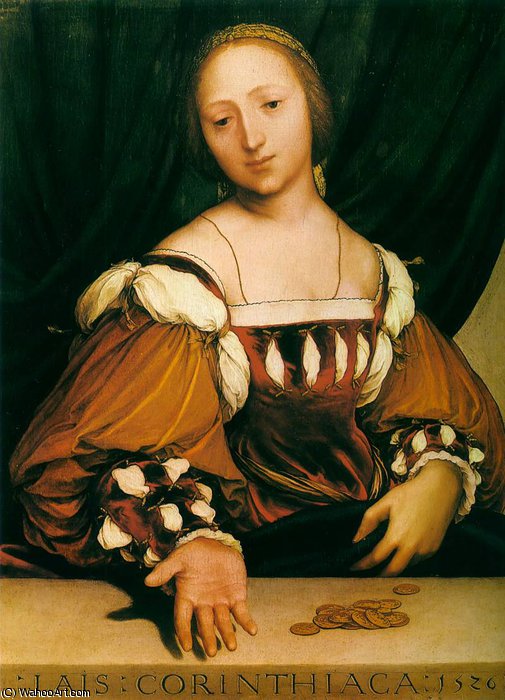
Hans Holbein the Younger’s “Untitled (4274)” is more than just a depiction of a woman in a red dress; it’s a meticulously crafted window into the anxieties, ambitions, and material realities of the Northern Renaissance. Painted circa 1530-1540, this portrait exemplifies Holbein's unparalleled ability to capture not merely physical appearance but also the psychological nuances of his subjects – a skill that cemented his reputation as one of the most astute and influential portraitists of his era. The painting’s power resides in its quiet intensity, a carefully constructed tableau of wealth and contemplation.
The Master's Technique: Detail and Realism
- Oil on Panel: Holbein’s mastery of oil paint is immediately apparent. The smooth gradations of tone, the subtle modeling of form, and the almost photographic detail in the woman’s face and hands are hallmarks of his technique. He employed a layering method – *glazing* – building up thin translucent layers of color to achieve luminous effects and incredible depth.
- Chiaroscuro: The dramatic use of light and shadow, known as *chiaroscuro*, intensifies the subject’s presence and draws the viewer's eye directly to her face. This technique was central to Holbein’s style, creating a sense of three-dimensionality that transcends mere representation.
- Precision Rendering: Note the meticulous rendering of the coins in her hand – each detail meticulously observed and rendered with astonishing accuracy. This reflects Holbein's dedication to realism and his belief that art should accurately reflect the world around him.
Symbolism Within the Scene: Wealth, Status, and Reflection
The woman’s attire – a vibrant red dress – immediately signals wealth and status, a common symbol in Renaissance portraiture. The coins she holds are not merely an indication of financial prosperity; they can be interpreted as symbols of power, authority, and perhaps even judgment. Her seated posture, with her gaze directed slightly off-camera, suggests introspection and a degree of reserve. The curtain behind her adds depth to the composition while simultaneously creating a sense of privacy, further emphasizing the subject's inner world.
Historical Context: A Tudor Portrait
"Untitled (4274)" likely reflects the artistic trends prevalent during Holbein’s time in England. He was commissioned by Henry VIII and his court to create portraits that served both as visual records of important figures and as symbols of royal power. This portrait demonstrates Holbein's ability to adapt his style to suit the tastes of his patrons, while still maintaining his distinctive artistic voice. The painting speaks to a period of significant political and religious upheaval in England, reflected perhaps in the woman’s contemplative expression.
Emotional Impact & Reproduction Possibilities
This Holbein portrait possesses an enduring emotional resonance. It invites us to contemplate the complexities of human nature – wealth, status, power, and introspection—all captured within a single, arresting image. ArtsDot offers meticulously crafted hand-painted reproductions that faithfully recreate the original’s beauty and detail. Each reproduction is created using archival quality materials, ensuring its longevity and preserving the artwork's rich colors and textures for generations to come. Perfect for collectors, interior designers seeking a touch of Renaissance elegance, or anyone captivated by Holbein’s masterful artistry.