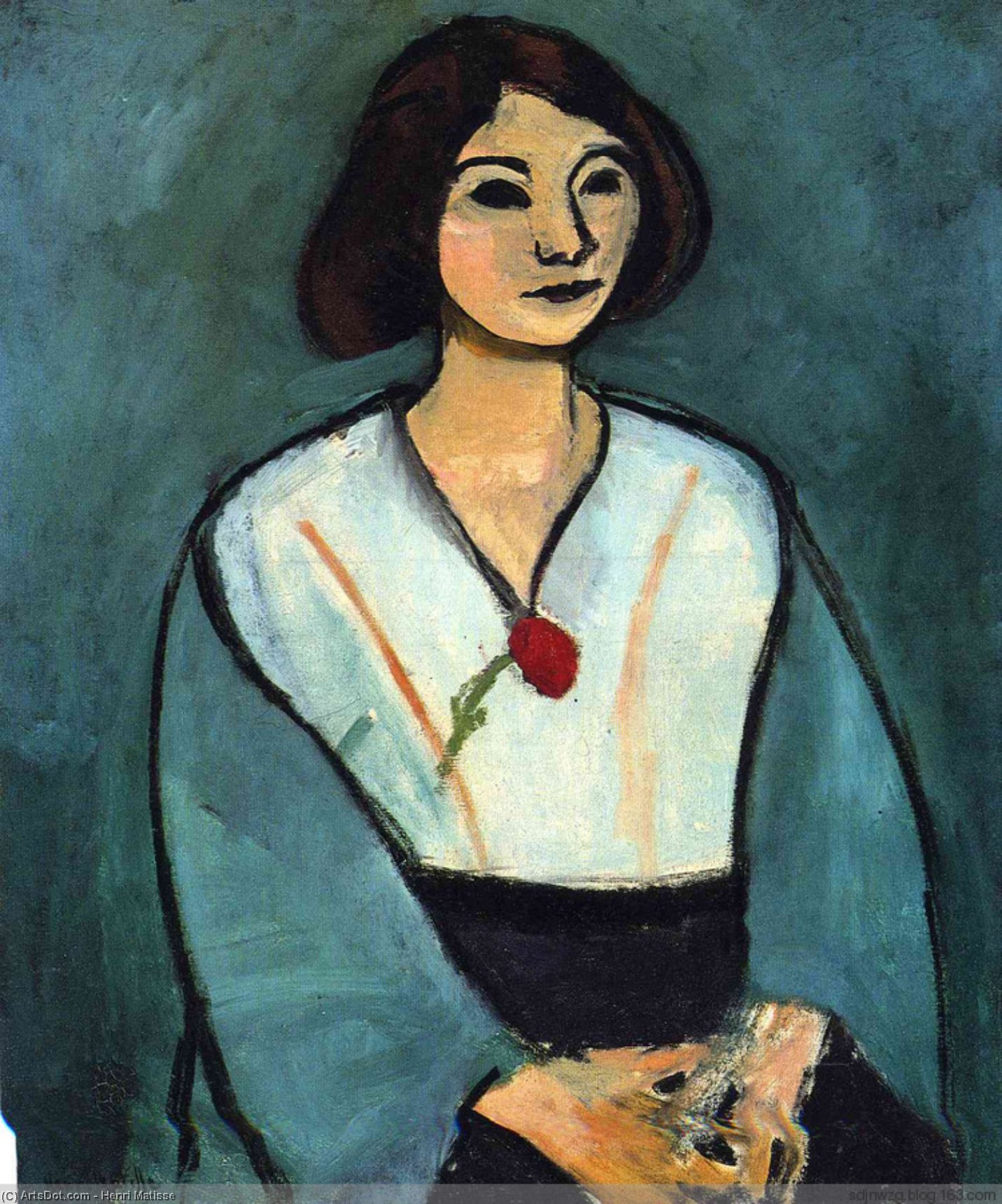
マティス傑作『緑色の女性とカーネーション』は、鮮やかな色彩と情熱的な構成で称えられ、印象派の伝統を覆すフュージオニズムの象徴です。」
マティス
(1869 - 1954)
美しい色彩とシンプルな線で知られる印象派の画家、エドゥアール・マネやゴッホの影響を受け、大胆な表現主義を追求したフランスの画家。特に初期の作品は、豊かな色彩と自由な筆致が特徴的です。彼の代表作は「ギルド」などがあり、現代美術に大きな影響を与えました。
Woman in Green with a Carnation
The painting “Woman in Green with a Carnation” stands as a cornerstone of Henri Matisse’s artistic legacy, embodying the vibrant spirit and revolutionary aesthetic principles of Fauvism. Created in 1909, this artwork transcends mere representation; it's an immersive experience of color and emotion—a testament to Matisse’s unwavering belief that art should prioritize feeling over meticulous detail. Measuring 65 x 54 cm, “Woman in Green with a Carnation” resides within the Hermitage Museum in Saint Petersburg, Russia, safeguarding its place amongst masterpieces of modern art.
Artistic Context: The Dawn of Fauvism
Henri Matisse emerged as a pivotal figure during the formative years of Fauvist painting—a movement that irrevocably altered the course of artistic history around 1905. Rejecting Impressionist notions of capturing fleeting light and atmosphere, Fauves championed bold hues liberated from naturalistic constraints. Artists like Matisse sought to express inner emotion through color alone, prioritizing visual impact over accurate depiction. “Woman in Green with a Carnation” exemplifies this ethos perfectly—a deliberate departure from academic conventions toward an unrestrained celebration of chromatic intensity. Influenced by Post-Impressionists such as Cézanne and Gauguin, Matisse fused these traditions with his own distinctive vision, establishing Fauvist style as a cornerstone of 20th-century art.
Composition and Symbolism: Harmony Amidst Vibrancy
The painting’s composition is deceptively simple yet profoundly effective. Matisse places the woman centrally within the frame, bathed in an overwhelming expanse of emerald green—a color chosen not merely for its visual appeal but for its symbolic resonance. Green represents tranquility, balance, and renewal—themes that permeate the artwork's emotional core. The scarlet carnation nestled amongst her hair serves as a focal point, injecting a burst of passionate red against the verdant backdrop. This juxtaposition underscores themes of beauty, elegance, and perhaps even hidden longing. Matisse’s masterful use of color and form communicates an unspoken narrative—a portrait not just of appearance but of inner state.
Artistic Influences: Echoes of African Masks
Matisse's artistic journey was shaped by diverse influences, notably the expressive art of African masks. These sculptures captivated him with their bold geometric forms and vibrant pigments—inspiring him to simplify shapes and reduce color palettes. The influence of African art is palpable in “Woman in Green with a Carnation,” where Matisse achieves remarkable clarity through reductive stylistic choices. This deliberate simplification mirrors the aesthetic principles championed by Picasso, cementing Matisse’s position as one of the foremost innovators of modern art.
Legacy and Preservation: A Timeless Masterpiece
“Woman in Green with a Carnation” continues to inspire artists and captivate audiences worldwide—a testament to Matisse's enduring genius. Its reproduction is available at ArtsDot.com, offering collectors and enthusiasts alike access to a stunning representation of this iconic artwork. The Hermitage Museum diligently protects its place amongst the treasures of Russian art history, ensuring that future generations can appreciate the profound beauty and emotional depth of Matisse’s vision.