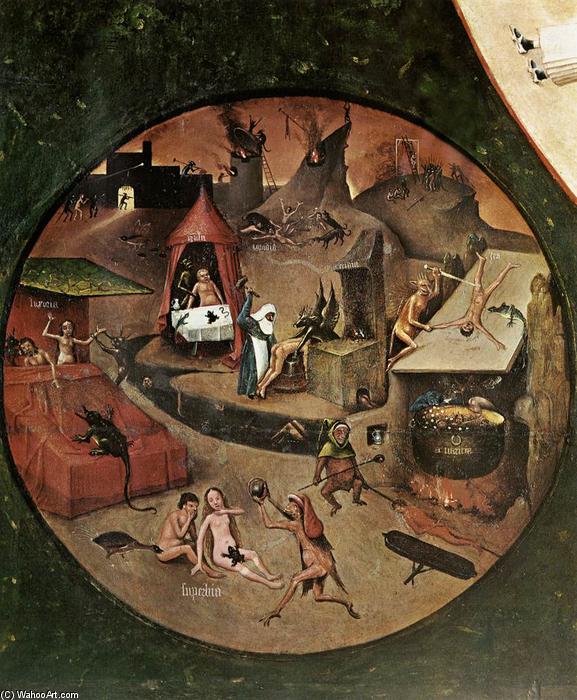
Explore Hieronymus Bosch’s "The Seven Deadly Sins" – a surreal masterpiece of sin, pleasure & damnation. Witness intricate detail in this 1480 oil panel's chaotic garden of delights.
15世紀・16世紀のネーデル란드画家、ヒエロニムス・ボスの神秘的な世界。寓意画「地上の楽園」や「最後の審判」など、奇想天外な想像力と象徴性で中世末期の精神を表現。
プラド美術館
(Madrid, Spain)
🇪🇸マドリッドのプラド美術館へ!ベラスケス、ゴヤ、エル・グレコの傑作を鑑賞。7世紀からのヨーロッパ美術の旅に出かけましょう🎨✨ #プラド美術館 #スペイン #芸術
A Glimpse into Bosch’s Moral Universe: The Seven Deadly Sins (detail)
This captivating detail originates from Hieronymus Bosch's allegorical masterpiece, *The Seven Deadly Sins*, created around 1480. While a fragment of a larger work, it encapsulates the artist’s signature style and profound exploration of human morality – offering a compelling focal point for any collection or interior space.
Subject & Symbolism: A Wheel of Fortune and Human Vice
The artwork depicts a section of what is believed to be a circular representation of the ‘Wheel of Fortune,’ a common medieval motif symbolizing the capricious nature of fate and earthly existence. Bosch masterfully intertwines this concept with depictions of the Seven Deadly Sins – pride, greed, lust, envy, gluttony, wrath, and sloth. The chaotic arrangement isn’t merely decorative; each figure and grotesque detail serves as a visual embodiment of these vices, warning against their seductive power. Demons, naked figures engaged in various acts of indulgence, and fantastical creatures populate the scene, creating a disturbing yet fascinating tableau.
Artistic Style & Technique: A Surreal Vision
Hieronymus Bosch (c. 1450-1516) was a Dutch/Netherlandish painter renowned for his highly idiosyncratic and surrealist style – centuries before the movement formally emerged. This detail exemplifies his unique approach, characterized by imaginative depictions of religious themes and eerie, nightmarish visions. Executed in oil on panel, the technique showcases meticulous detailing alongside areas deliberately left unfinished, adding to the work’s unsettling quality. The artist's use of impasto – thick application of paint – creates a textured surface that enhances the sense of depth and physicality.
Color Palette & Composition: Foreboding Atmosphere
The color palette is dominated by deep reds, browns, and ochres, contributing to a somber and foreboding atmosphere. These earthy tones are punctuated by flashes of brighter hues, drawing the eye to specific details and intensifying the overall dramatic effect. The composition is densely packed and complex, creating a sense of claustrophobia and overwhelming abundance – mirroring the all-consuming nature of sin. Curved and irregular lines further emphasize the distorted forms and unsettling nature of the scene.
Historical Context & Legacy
Created during the late medieval period, *The Seven Deadly Sins* reflects the religious anxieties and moral concerns prevalent at the time. Bosch’s work stands apart from conventional religious art; he doesn't simply illustrate biblical stories but delves into the psychological complexities of human temptation and damnation. His influence on subsequent generations of artists is undeniable, prefiguring elements found in the works of Pieter Bruegel the Elder and even inspiring modern surrealists.
Emotional Impact & Interpretation
This detail evokes a powerful emotional response – one of horror, moral judgment, and contemplation. It serves as a stark reminder of the consequences of indulging in earthly desires and offers a compelling visual representation of the eternal struggle between good and evil. Whether viewed as a cautionary tale or a profound exploration of the human condition, Bosch’s work continues to captivate and challenge viewers centuries after its creation. This piece is ideal for those seeking artwork that sparks conversation and adds a layer of intellectual depth to their surroundings.