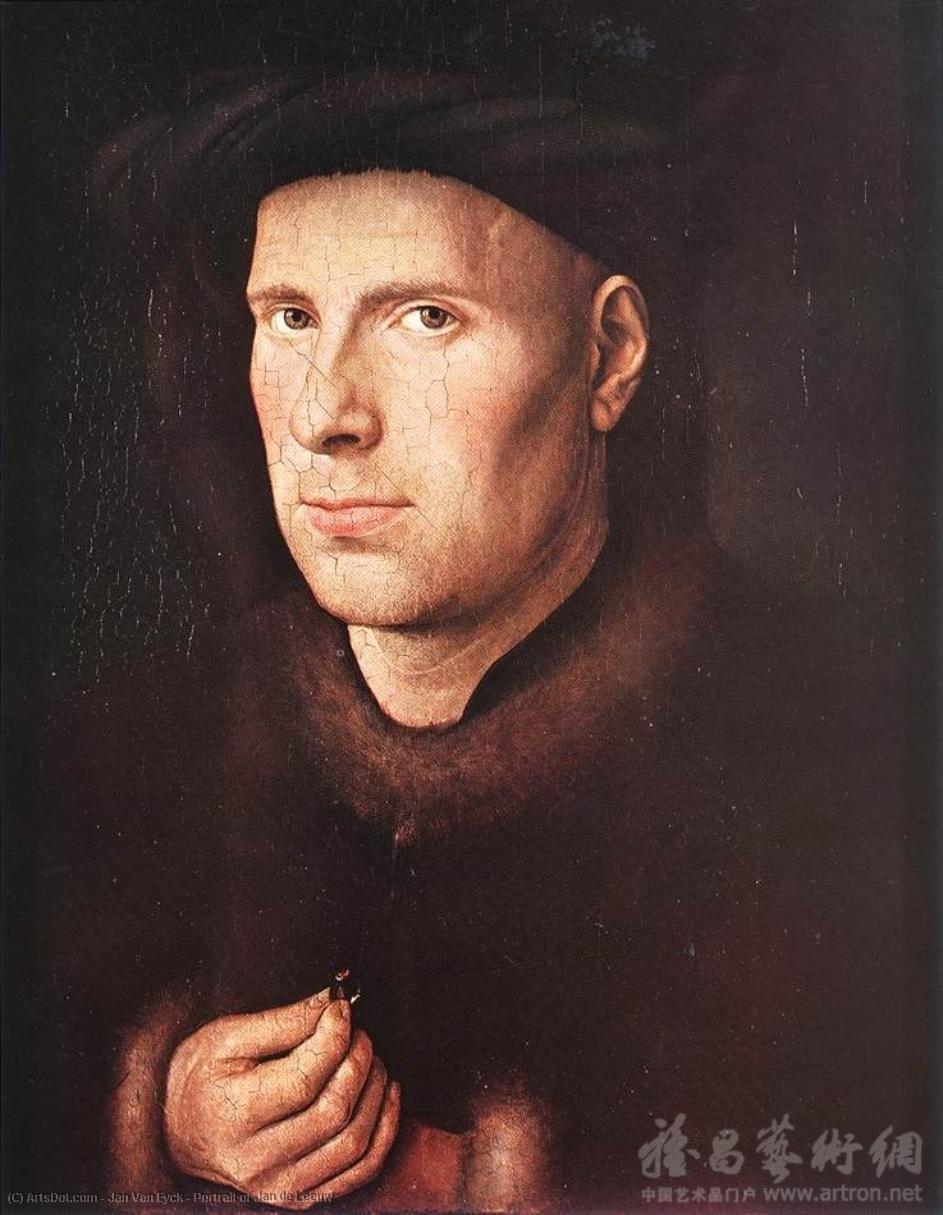
Admire Jan van Eyck's iconic 'Portrait of Jan de Leeuw', a masterpiece of Early Netherlandish painting showcasing meticulous detail and vibrant color palettes. Explore this captivating piece at ArtsDot.com.
ヤン・ファン・エイク(1390-1441):初期ネーデルラント絵画の先駆者。油彩技法を極め、ゲント祭壇画やアルノルフィーニ夫妻像など、写実的で革新的な作品群はルネサンス美術に大きな影響を与えました。
ハプスブルク家の至宝を所蔵!ラファエル、レンブラント、フェルメールの傑作からエジプト美術まで、ウィーン芸術史美術館で時を超える芸術体験を。🏛️✨
Kunsthistorisches Museum
Austria
Vienna
Kunsthistorisches Museum
Egyptian Collection
Over 500,000 objects
Art and history museum
1891
Gothic
2
What is the primary architectural style of the Kunsthistorisches Museum?
A Glimpse Through the Golden Age of Flanders
In the quiet, hallowed halls of the Kunsthistorisches Museum in Vienna, there exists a small window into a vanished world, a masterpiece that breathes with the vitality of 1436. Jan van Eyck’s Portrait of Jan de Leeuw is far more than a mere likeness; it is a profound encounter with the dawn of the Northern Renaissance. At only twenty-four by nineteen centimeters, this intimate oil on wood panel commands an immense presence, pulling the viewer into the meticulous, luminous atmosphere of Bruges during its most prosperous era. The subject, Jan de Leeuw—a goldsmith by trade—is captured not just as a man, but as a symbol of the rising merchant class whose wealth and piety fueled the artistic revolution of the Early Netherlandish period.
The Alchemy of Light and Oil
To gaze upon this portrait is to witness the transformative power of Jan van Eyck’s revolutionary technique. While his contemporaries were often bound by the flatter, more opaque qualities of tempera, Van Eyck mastered the delicate alchemy of oil paint. Through the painstaking application of multiple translucent glazes, he achieved a depth of color and a play of light that seemed almost supernatural. Notice how the light catches the subtle textures of the sitter’s features, creating a soft, lifelike glow that animates the skin and defines the heavy folds of his attire. This mastery of "wet-on-wet" painting allowed for an unprecedented level of detail, from the glint of metallic elements to the profound shadows that lend the face its sculptural weight. For the collector or lover of fine art, this technical brilliance offers a sensory experience that remains as captivating today as it was in the fifteenth century.
A Legacy of Precision and Presence
Beyond the technical prowess lies an emotional resonance that transcends time. There is a striking psychological depth in de Leeuw’s gaze; he looks toward us with a directness that bridges the centuries, inviting a silent dialogue between the past and the present. The precision of Van Eyck’s brushwork serves to honor the dignity of his subject, reflecting the meticulous nature of de Leeuw's own profession as a goldsmith. For those looking to bring a piece of history into a contemporary space, a reproduction of this work offers more than just decoration; it provides an anchor of sophistication and intellectual depth. Whether placed in a curated gallery or a refined study, the Portrait of Jan de Leeuw serves as a testament to human identity, the enduring beauty of craftsmanship, and the eternal magic of the Flemish masters.