Jan van Eyck: A Pioneer of Realism and Detail
Jan van Eyck stands as one of the titans of Early Netherlandish painting—a figure whose meticulous observation and groundbreaking technique irrevocably altered the course of artistic history. Born around 1390 in Maastricht, he emerged from obscurity to become a master craftsman and diplomat for the Burgundian court, leaving behind an indelible mark on European art.
- Early Life & Career: Little is known about Van Eyck’s formative years, but his brother Hubert’s artistic endeavors suggest a family steeped in visual tradition. He honed his skills in Bruges, establishing a workshop and attracting talented assistants—a testament to his reputation as an innovator.
- Service to the Burgundian Court: John III the Pitiless and Philip the Good recognized Van Eyck's brilliance, appointing him court painter and envoy, granting him access to influential circles and considerable resources. This patronage fueled ambitious artistic projects and solidified his position at the pinnacle of Flemish art.
- Revolutionary Technique: Unlike many of his contemporaries who adhered to Gothic conventions, Van Eyck embraced oil painting—a technique that allowed for unprecedented luminosity and detail. His method involved applying thin layers of pigment diluted with linseed oil, creating surfaces that shimmered with reflected light and capturing textures with astonishing accuracy.
The Portrait of Cardinal Niccolò Albergati: A Window into Renaissance Dignity
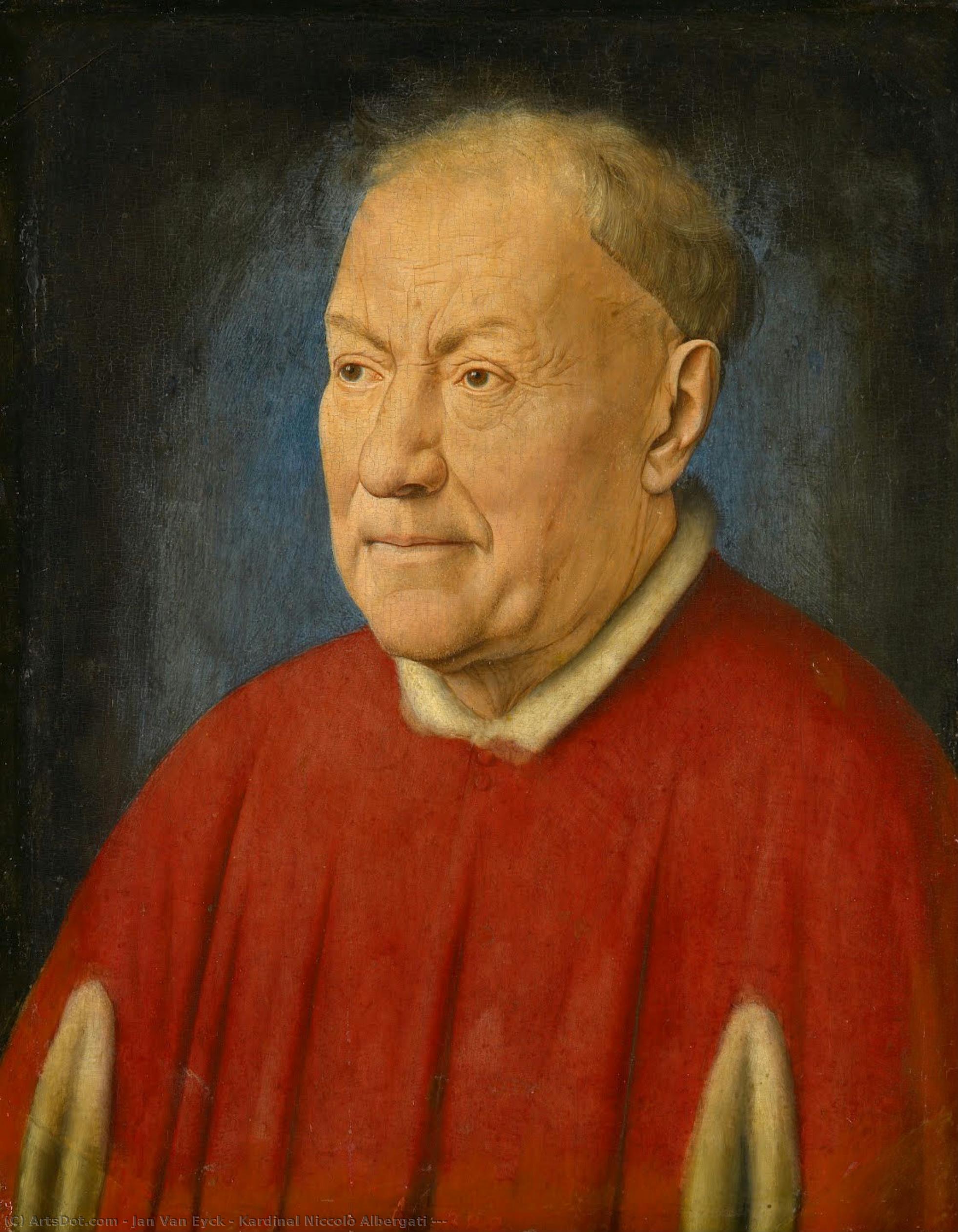
Painted in 1435 during the peace congress in Arras—a pivotal moment in European diplomacy—the *Portrait of Cardinal Niccolò Albergati* exemplifies Van Eyck’s mastery. Commissioned by Duke Philip the Good, it served as a visual representation of power and piety within the context of the Burgundian Renaissance.
- Historical Context: The congress aimed to resolve decades of conflict between France and Burgundy, highlighting the importance of political alliances and artistic patronage. Van Eyck’s portrait captured the solemnity of the occasion and conveyed a profound respect for its subject.
- Artistic Technique Revisited: Van Eyck's meticulous approach is evident in every brushstroke—from the subtle gradations of color to the painstakingly rendered folds of drapery. The use of oil paint achieved an unparalleled level of realism, capturing the Cardinal’s facial features with remarkable precision.
- Symbolism & Composition: The portrait depicts Cardinal Albergati against a muted blue background—a deliberate choice that emphasizes his dignity and spiritual stature. The subject wears red attire, symbolizing papal authority and piety, while the hooded head conveys humility and reverence.
A Masterpiece Preserved: The Kunsthistorisches Museum’s Treasure
Today, the *Portrait of Cardinal Niccolò Albergati* resides in the Kunsthistorisches Museum in Vienna—a testament to its enduring beauty and artistic significance. Its luminous surface and captivating detail continue to inspire admiration and scholarly debate.
- Provenance & Preservation: The painting underwent extensive conservation efforts ensuring it remains accessible for future generations of art enthusiasts.
- Influence & Legacy: Van Eyck’s portrait profoundly impacted subsequent artists—establishing a new standard for realism and influencing the development of portraiture throughout Europe.
At ArtsDot.com, we offer exceptional reproductions of this iconic artwork—allowing you to experience Van Eyck’s genius firsthand. Explore our collection and bring a piece of Renaissance history into your home.