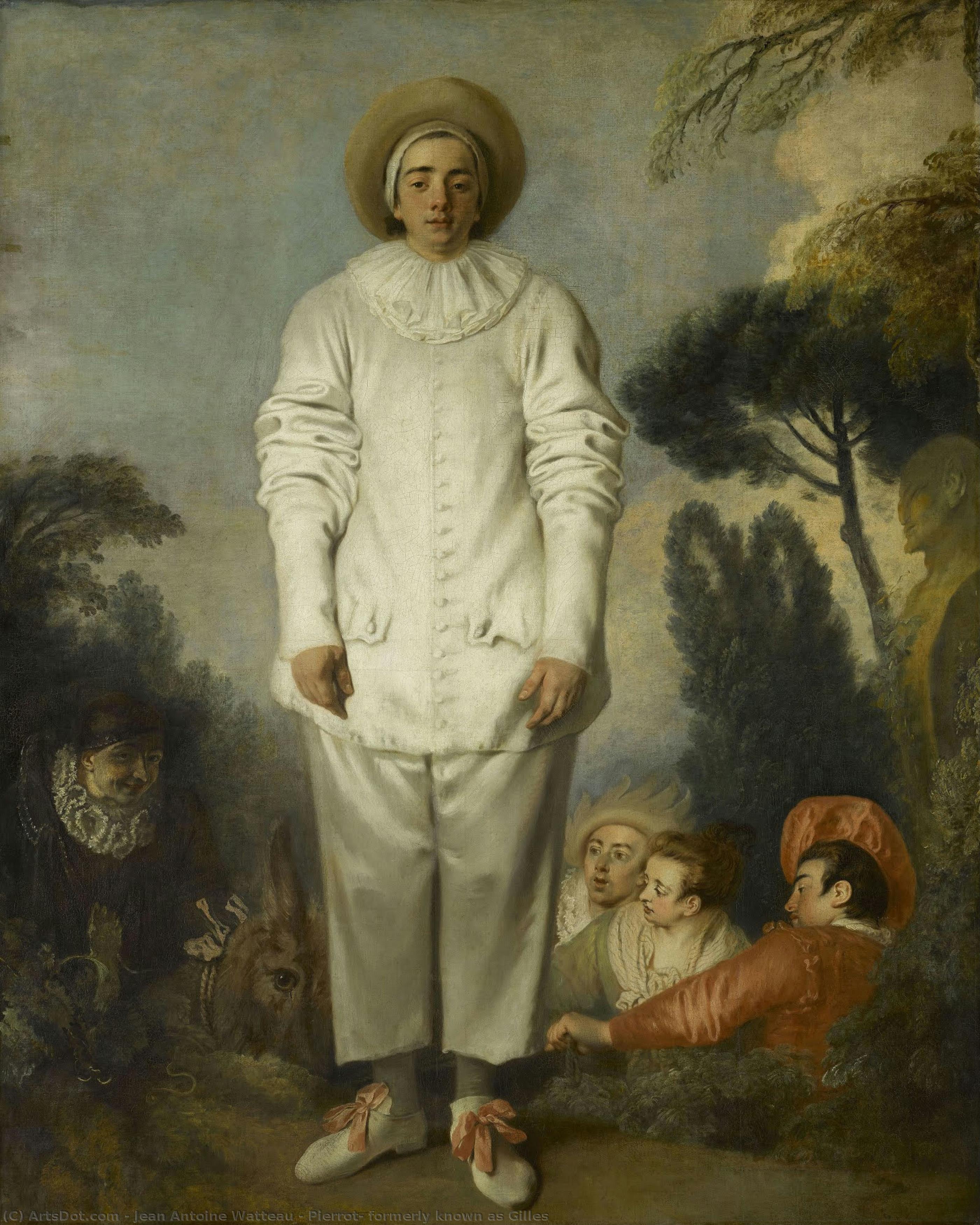
A Delicate Brushstroke: The Life and Art of Jean-Antoine Watteau
Jean-Antoine Watteau (1684-1721), a name that resonates with the ethereal beauty of Rococo art, stands as one of the most influential painters of his era. Born in Valenciennes, France, Watteau’s artistic journey began humbly—his father was a roofer—yet he possessed an innate talent for observation and representation that would propel him to international acclaim. Initial struggles within Parisian artistic circles fueled his determination, shaping his distinctive style and thematic concerns.
- Early Influences: Watteau’s formative years were marked by exposure to the vibrant street life of Valenciennes, fostering a fascination with everyday scenes that would later find expression in his celebrated ‘fêtes galantes.’
- Training Under Local Masters: He received formal training under esteemed Valenciennes artists, honing his skills and absorbing stylistic nuances prevalent at the time.
- Parisian Aspirations & Initial Challenges: Despite facing rejection from established institutions like Académie Royale de peinture et de sculpture, Watteau persevered, driven by an unwavering belief in his artistic vision.
The Fête Galante: A Revolutionary Vision
Watteau’s breakthrough came with the emergence of the ‘fête galante,’ a genre that fundamentally redefined eighteenth-century painting. Departing from the grandeur and moral didacticism of the Baroque, Watteau envisioned idealized landscapes populated by elegantly dressed figures engaged in leisurely pursuits—dancing, picnicking, and strolling amidst blossoming trees and fountains.
“The Louvre’s enigmatic painting par excellence,” critics proclaimed upon encountering Watteau's masterpiece. This new aesthetic prioritized atmosphere and emotion over narrative complexity, capturing fleeting moments of beauty and aristocratic pleasure with unparalleled sensitivity. Watteau skillfully employed soft pastel hues—particularly pinks, blues, and greens—to create luminous landscapes bathed in diffused light.
Technique & Style: Impressionistic Precursors
Watteau’s technique was characterized by a delicate brushstroke and meticulous attention to detail. He utilized glazing – applying thin layers of translucent color over underlying pigments – to achieve remarkable luminosity and depth. This method, anticipating the Impressionist movement decades later, allowed him to capture subtle tonal variations and atmospheric effects with astonishing precision.
- Glazing Technique: Watteau’s masterful use of glazing created an illusion of shimmering light and ethereal beauty.
- Pastel Colors: The artist favored pastel shades—primarily pinks, blues, and greens—to evoke a sense of tranquility and romanticism.
- Compositional Innovation: Watteau experimented with asymmetrical compositions and unconventional perspectives, disrupting traditional artistic conventions.
Symbolism & Emotional Resonance
Beyond mere visual splendor, Watteau’s paintings conveyed profound emotional resonance. The figures depicted in ‘fêtes galantes’ embody ideals of grace, refinement, and sensual pleasure—themes that reflect the aristocratic sensibilities of the period. Moreover, Watteau subtly incorporated symbolic elements—such as flowering trees representing fertility and renewal—enhancing the narrative depth of his canvases.
Considered a pivotal figure in artistic history, Jean-Antoine Watteau’s legacy continues to inspire artists and captivate audiences worldwide. His pioneering approach to landscape painting and portraiture cemented his place among the titans of Rococo art, ensuring that his ethereal vision would endure for centuries to come.