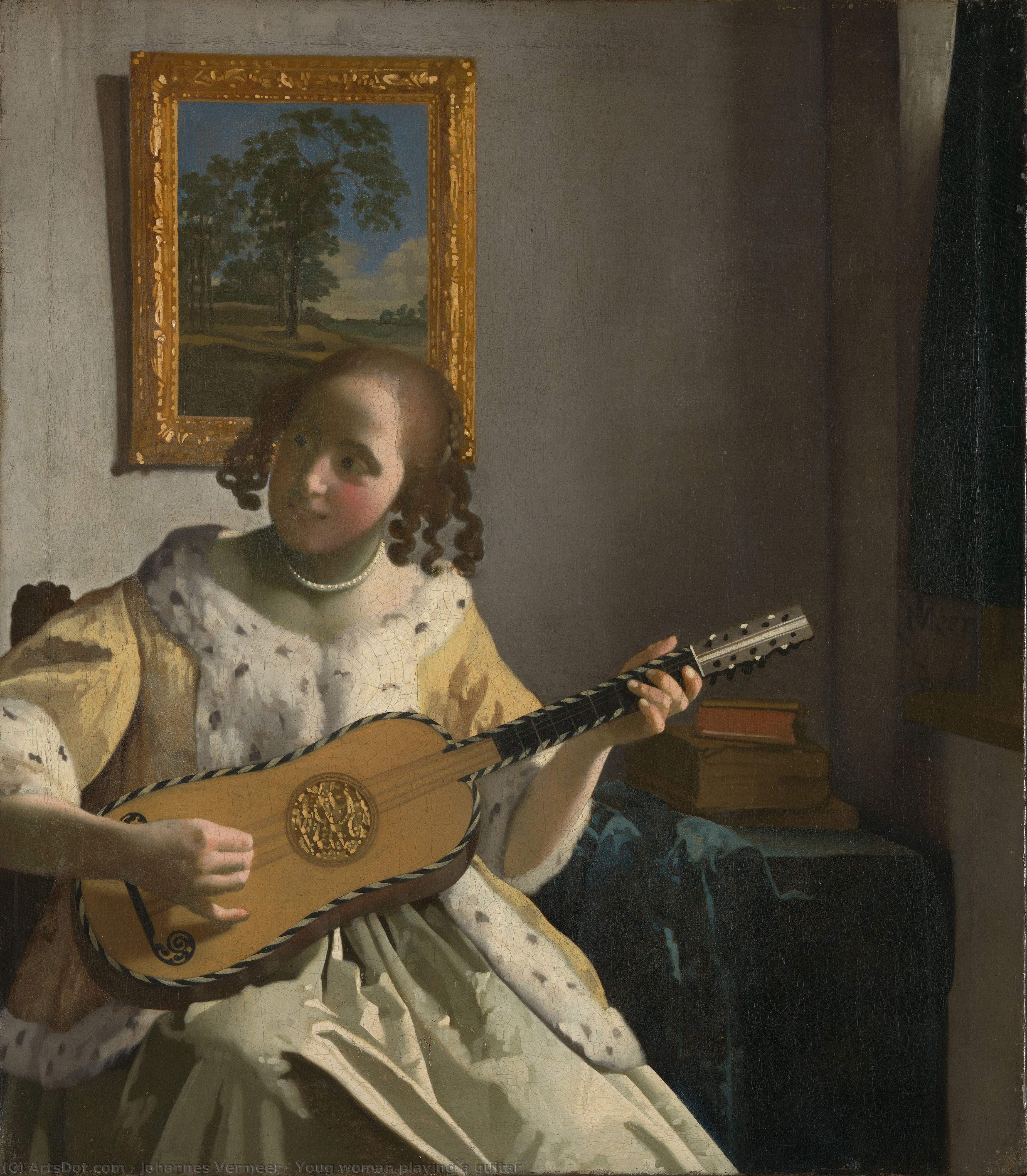
Admire Vermeer’s ‘Youg woman playing a guitar’! This 1672 masterpiece showcases Dutch Golden Age realism & exquisite detail. Explore light, texture, and serene beauty in this iconic portrait.
美しい光と静寂の日常を描いたオランダ黄金時代の画家、ヨハネス・フェルメール。特に「真珠の耳飾り」やデルフト風景など、彼の象徴的な作品は、そのリアリズムと洗練された表現で世界中の美術館に愛され続けています。
ケンウッド・ハウス
(ロンドン, United Kingdom)
ケンウッド・ハウス:レンブラントやヴァン・ダイクの名画、ロバート・アダムによる新古典主義建築の美しさを堪能できるロンドンの歴史的邸宅。美しい庭園とともに、英国の芸術的遺産を体験してください。
A Moment of Quietude: Exploring Vermeer’s “Young Woman Playing a Guitar”
This captivating oil painting by Johannes Vermeer, created in 1672, offers a serene glimpse into the domestic life of the Dutch Golden Age. Measuring 53 x 46 cm, the artwork embodies the meticulous detail and tranquil atmosphere that define Vermeer’s celebrated oeuvre. It's a piece that invites contemplation and adds an air of refined elegance to any space.
Subject & Composition
The painting centers on a young woman absorbed in playing a lute – not a guitar as the title suggests, but a common instrument of the period. She is seated, occupying most of the frame, creating an intimate connection with the viewer. The composition is deliberately simple yet balanced; she’s positioned within a modestly furnished interior featuring a wall adorned with two framed pictures and illuminated by soft light streaming from an unseen window to the left. This focused arrangement draws all attention to the woman and her musical pursuit.
Style & Technique: A Master of Light
Vermeer’s style is instantly recognizable for its hyperrealism, achieved through painstaking observation and a masterful command of light. He employed the technique of layering thin, translucent glazes of oil paint – a method demanding patience and precision. This creates a luminous quality, rendering textures with remarkable fidelity; from the delicate folds of her gown to the polished wood of the lute. The use of linear brushstrokes defines forms while organic shapes soften the overall impression. The diffused lighting isn’t merely descriptive but actively *shapes* the scene, enhancing its three-dimensionality and creating a sense of palpable atmosphere.
Historical Context: The Dutch Golden Age
Painted during the height of the Dutch Golden Age, this work reflects the prosperity and growing middle class of 17th-century Netherlands. Unlike aristocratic portraiture, Vermeer focused on scenes of everyday life within comfortable homes. This shift in subject matter was a hallmark of the era, celebrating domesticity and individual pursuits. His father’s involvement in the art trade likely influenced his artistic development and access to materials.
Symbolism & Interpretation
The lute itself carries symbolic weight. Beyond its representation of musical skill, it often signified learning, education, and refinement – qualities valued within Dutch society. The woman's focused expression suggests a moment of personal enjoyment and intellectual engagement. While seemingly straightforward, the painting invites viewers to consider the inner life of its subject and the values of her time.
Emotional Impact & Aesthetic Appeal
“Young Woman Playing a Lute” evokes a profound sense of tranquility and introspection. The soft lighting, muted color palette (dominated by yellows, blues, and browns), and quiet activity create an atmosphere of peaceful contemplation. It’s a painting that resonates with a timeless beauty, offering a respite from the bustle of modern life. Its understated elegance makes it suitable for a variety of interior styles – from traditional to contemporary – adding a touch of sophistication and artistic depth.
Collecting & Reproduction
As one of Vermeer’s smaller works, “Young Woman Playing a Lute” is highly sought after by collectors. High-quality reproductions allow art enthusiasts to experience the beauty and serenity of this masterpiece in their own homes. The painting's enduring appeal lies in its ability to capture a fleeting moment of human connection and quiet grace – qualities that continue to inspire and captivate audiences centuries later.