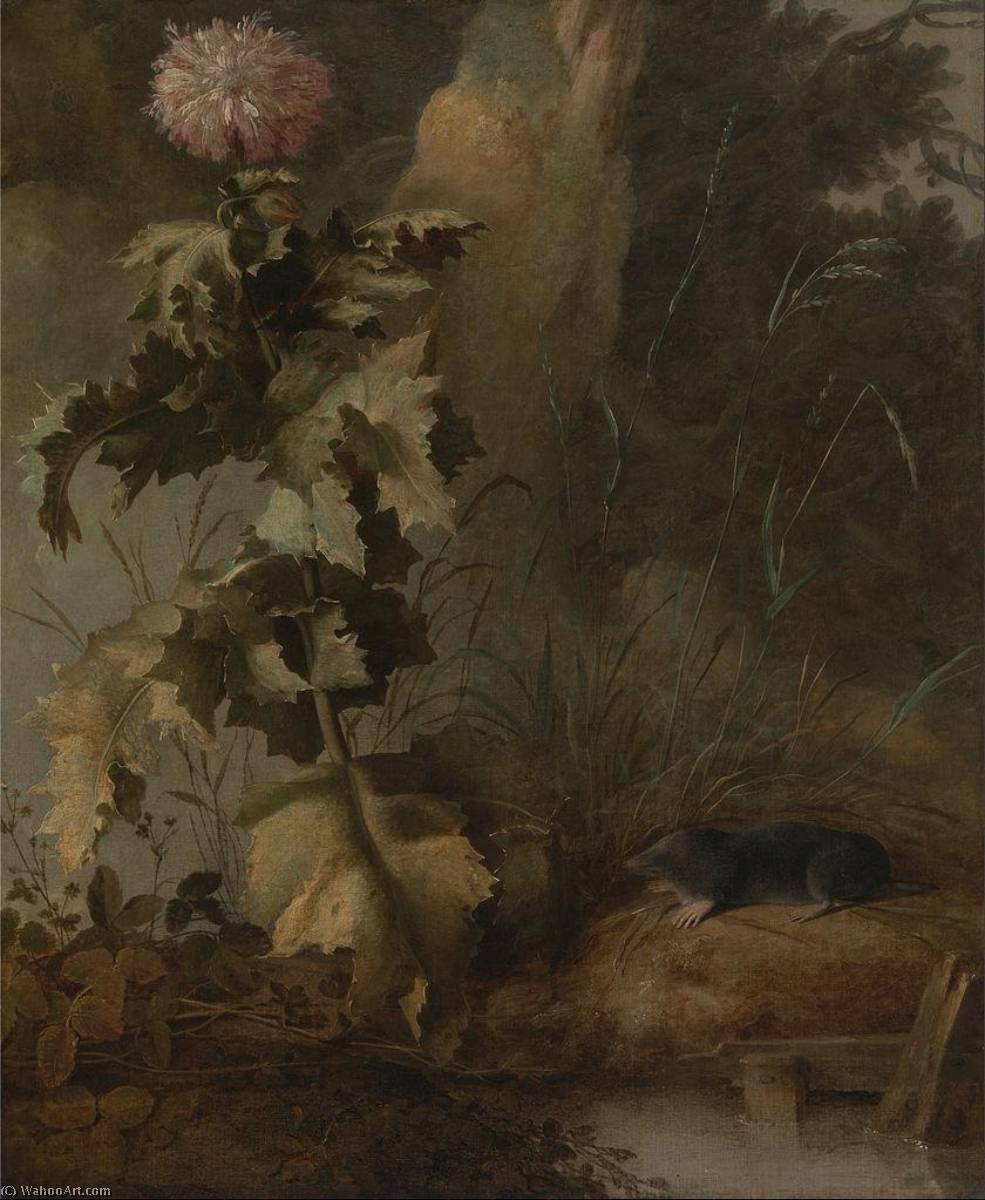
An Exploration of Norfolk Landscape Through John Crome’s Vision
John Crome (1768–1821), affectionately known as “Old Crome” by his son, Robert Crome Sr., stands as a cornerstone of British landscape painting—a founding member and dominant figure within the Norwich School. Born in Norwich, Norfolk, Crome's artistic journey began not with formal training but with an apprenticeship under Francis Whisler, honing practical skills in design and color alongside a profound connection to his native East Anglian countryside. This formative experience instilled a lifelong dedication to capturing the subtle beauty of the region’s flora and fauna, shaping his distinctive style and cementing his legacy as one of Britain's greatest artists.
- Subject Matter: Crome’s canvases depict scenes from Norfolk—primarily meadows dotted with wildflowers, particularly poppies alongside water voles—presenting a serene portrayal of rural life. These landscapes weren’t merely representations; they were expressions of deep affection for his surroundings and an attempt to convey their inherent tranquility.
- Style: The Norwich School championed a style characterized by muted tones and atmospheric perspective – techniques that prioritized capturing the mood and essence of a place rather than striving for photographic accuracy. Crome’s approach aligns perfectly with this aesthetic, favoring tonal gradations and hazy skies to evoke a sense of stillness and contemplation.
- Technique: Employing oil paint on canvas, Crome utilized layering and glazing methods to achieve remarkable depth and luminosity. He meticulously blended pigments to create subtle variations in color and texture, resulting in canvases that radiate warmth and realism. The artist’s meticulous attention to detail is evident in every brushstroke, demonstrating a mastery of traditional painting techniques.
- Historical Context: Crome's work emerged during the Romantic era, reflecting an increasing fascination with nature as inspiration for artistic expression. Simultaneously, it embodies the burgeoning interest in scientific observation and accurate depiction—a desire to document the natural world with precision while simultaneously conveying its emotional resonance.
Symbolism: The inclusion of poppies and water voles carries symbolic weight. Poppies represent remembrance and beauty amidst decay – a poignant reminder of the ephemeral nature of life itself, mirroring Crome’s contemplative gaze upon the landscape. Water voles symbolize fertility and abundance—a harmonious element within the Norfolk ecosystem that underscores Crome's appreciation for the interconnectedness of natural elements.
Emotional Impact: Viewing “An Egyptian Poppy and a Water Mole” evokes feelings of peace, nostalgia, and wonder. The muted palette and atmospheric perspective invite viewers to immerse themselves in the quiet beauty of Norfolk’s meadows—a visual meditation on the sublime grandeur of nature and its capacity to inspire contemplation. Crome's masterful execution ensures that this emotional resonance persists across generations, securing his place as an artist who profoundly understood the human spirit’s yearning for connection with the natural world.
Provenance & Acquisition
The painting is part of Yale Center for British Art’s Paul Mellon Collection and was acquired through a generous donation from Mr. Mellon. Its accession number B1981.25.185 provides valuable insight into its history and confirms its significance as an exemplar of Norwich School artistry.
Further Resources
You can explore more about John Crome’s life and work at
Yale Center for British Art. Also, discover the artist's influence on contemporary filmmakers like John Waters.