Leonardo da Vinci: A Botanical Masterpiece
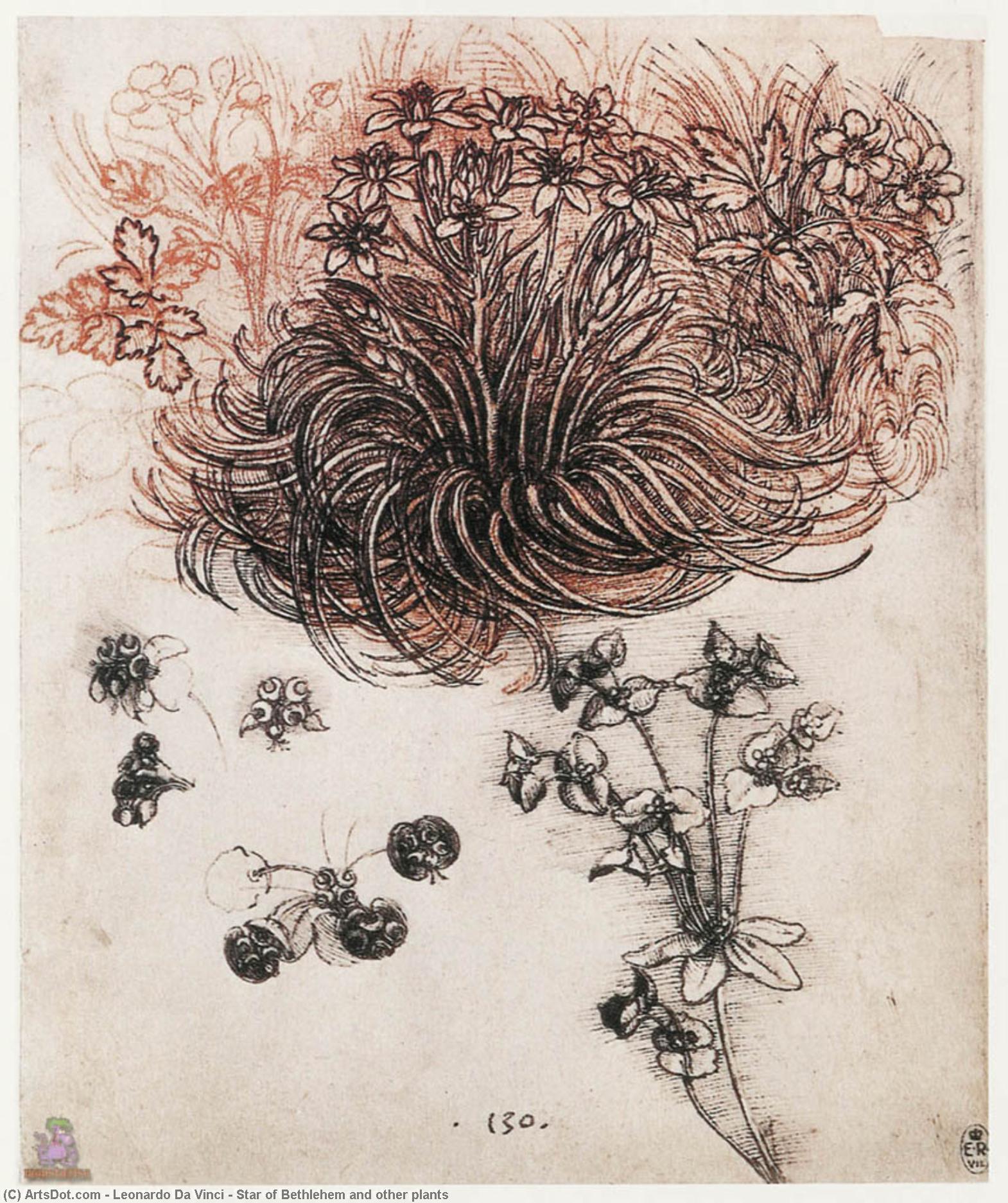
Leonardo da Vinci’s “Star of Bethlehem and Other Plants,” created in 1505 during his Milanese period, stands as a testament to the Renaissance fascination with observation and scientific inquiry. More than just a depiction of flora—specifically the Star of Bethlehem plant (Ornithogalum umbellatum)—it embodies Da Vinci’s meticulous approach to artmaking and reflects his broader intellectual pursuits.
Artistic Significance: Beyond Aesthetic Beauty
The drawing isn't merely pleasing to the eye; it represents a profound engagement with natural forms. Da Vinci meticulously rendered each plant, capturing its intricate textures and structural details—a hallmark of his artistic style. The artist’s sfumato technique—characterized by subtle gradations of tone—creates an ethereal quality that elevates the image beyond simple botanical illustration.
Historical Context: Renaissance Science Meets Artistic Expression
Da Vinci's interest in botany stemmed from a burgeoning scientific spirit during the Renaissance. Anatomical studies and explorations into natural phenomena were considered vital for understanding God’s creation and advancing knowledge. This drawing aligns perfectly with this intellectual climate, demonstrating Da Vinci’s commitment to both artistic creativity and empirical observation.
Technique and Medium: Pen and Ink Precision
Executed in pen and ink over red chalk on paper, “Star of Bethlehem” exemplifies Da Vinci's mastery of draughtsmanship. The medium allowed for unparalleled precision—essential for capturing the delicate structure of the plant’s blossoms and stems. Unlike fresco painting, which demanded daily application of pigment onto wet plaster, Da Vinci’s method prioritized detail and adaptability.
Location and Preservation: A Royal Treasure
Currently housed in the Royal Library at Windsor Castle, “Star of Bethlehem” benefits from exceptional preservation efforts—a crucial factor in safeguarding invaluable artworks for future generations. Its journey through history underscores the importance of institutional care in preserving cultural heritage.
Relevance to Modern Art Appreciation: Inspiration Across Centuries
Da Vinci’s unwavering dedication to detail and his ability to fuse scientific curiosity with artistic vision continue to inspire artists today. “Star of Bethlehem” serves as a reminder that beauty can be found not only in idealized representations but also in the honest portrayal of the natural world—a principle that resonates powerfully across eras.
- Medium: Pen and Ink over Red Chalk
- Date: 1505
- Location: Royal Library, Windsor Castle
- Size: Approximately 198 x 160 cm
For more information on Leonardo da Vinci’s life and artistic legacy, explore Wikipedia.