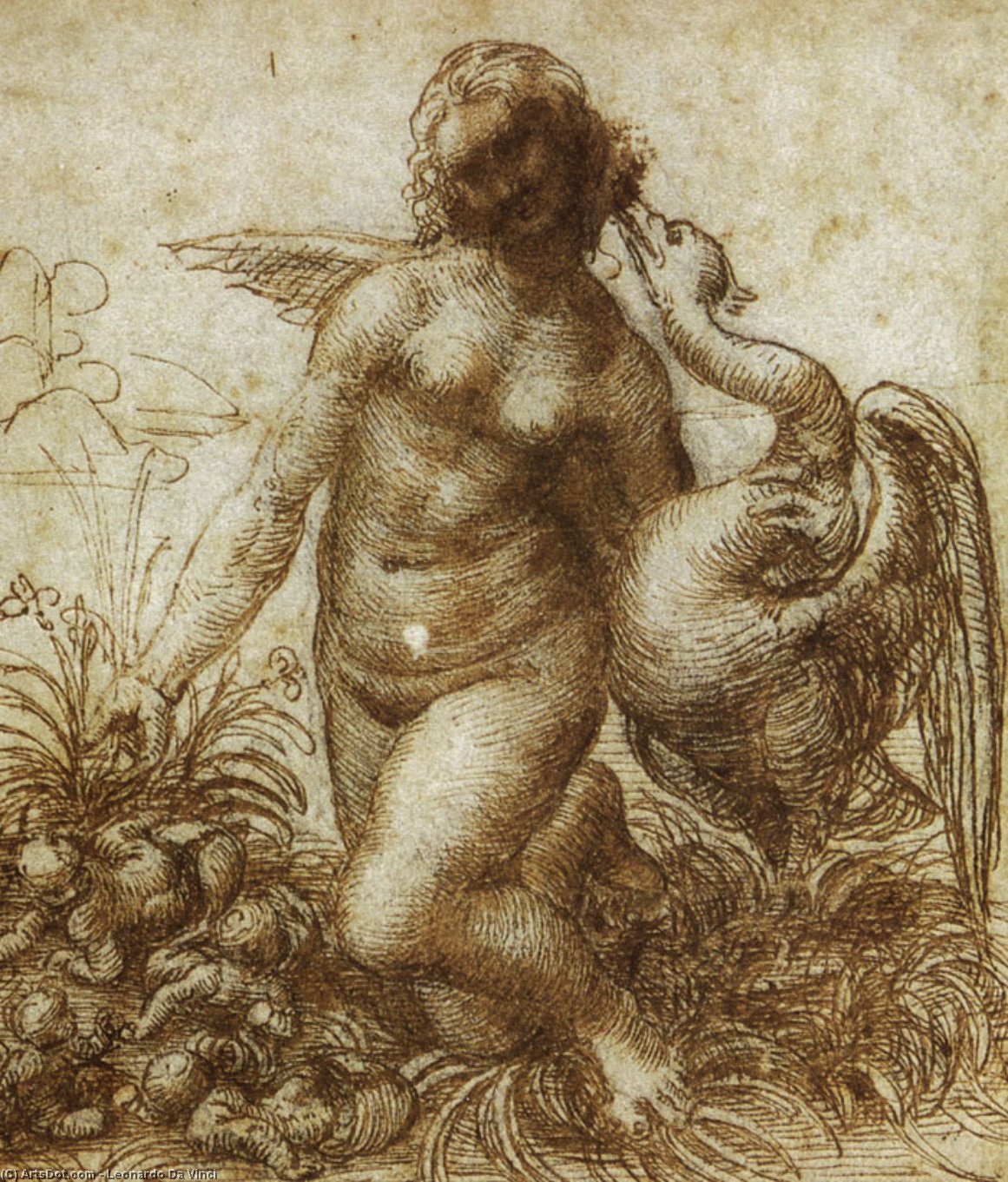
Study for the Kneeling Leda: A Renaissance Masterpiece Revisited
Leonardo da Vinci’s “Study for the Kneeling Leda” stands as a cornerstone of High Renaissance art, embodying the movement's profound commitment to realism and humanist ideals. Created around 1506, this ink drawing transcends mere representation; it’s an exploration of form, emotion, and artistic innovation—a glimpse into the mind of one of history’s most brilliant thinkers. At ArtsDot.com, we offer meticulously crafted oil painting reproductions that capture the essence of this iconic artwork, allowing you to experience its beauty firsthand.
Historical Context: The Cinquecento Art Movement
The year 1506 marks a pivotal moment in artistic history—the apex of the Cinquecento Art Movement. Artists like Raphael and Michelangelo were redefining visual culture, prioritizing anatomical accuracy and classical influences alongside dramatic narratives. Da Vinci’s “Study for the Kneeling Leda” reflects this broader trend, demonstrating his unwavering dedication to capturing the human form with unparalleled precision – a skill honed through years of observation and dissection. The Cinquecento Art Movement sought to revive Greco-Roman aesthetics, mirroring the humanist spirit that permeated intellectual life during the period.
Composition and Symbolism: Mythological Narrative
The drawing depicts Leda, Queen of Sparta, kneeling before Zeus disguised as a swan—a retelling of a legendary tale steeped in mythology. Da Vinci’s masterful composition emphasizes Leda's vulnerability while simultaneously conveying her transformation into a bird, symbolizing rebirth and divine intervention. Scattered apples serve as visual anchors, adding subtle color and textural detail to the monochrome sketch. These fruits represent immortality and fertility – themes central to classical mythology and resonating powerfully within Da Vinci’s artistic vision.
Technique and Style: Leonardo's Delicate Line
Da Vinci’s technique—primarily ink drawing—is remarkable for its subtlety and control. The artist employs delicate lines and shading to create a sense of depth and volume, capturing the contours of Leda’s body with breathtaking accuracy. This approach is characteristic of Da Vinci’s broader oeuvre, notably “Vitruvian Man,” where he similarly utilized precise geometric proportions to represent human anatomy. The meticulous attention to detail speaks volumes about his dedication to mastering the medium and conveying emotion through nuanced tonal variations.
Legacy: Inspiration Across Centuries
“Study for the Kneeling Leda” continues to inspire artists today, cementing Leonardo da Vinci’s place as a titan of Western art. His innovative techniques—particularly sfumato—influenced generations of painters who sought to emulate his mastery and capture the elusive beauty of human form. As you contemplate this stunning reproduction at ArtsDot.com, consider its enduring relevance – a testament to Da Vinci's genius and the timeless power of artistic expression. Explore similar masterpieces and discover exceptional reproductions on our platform: