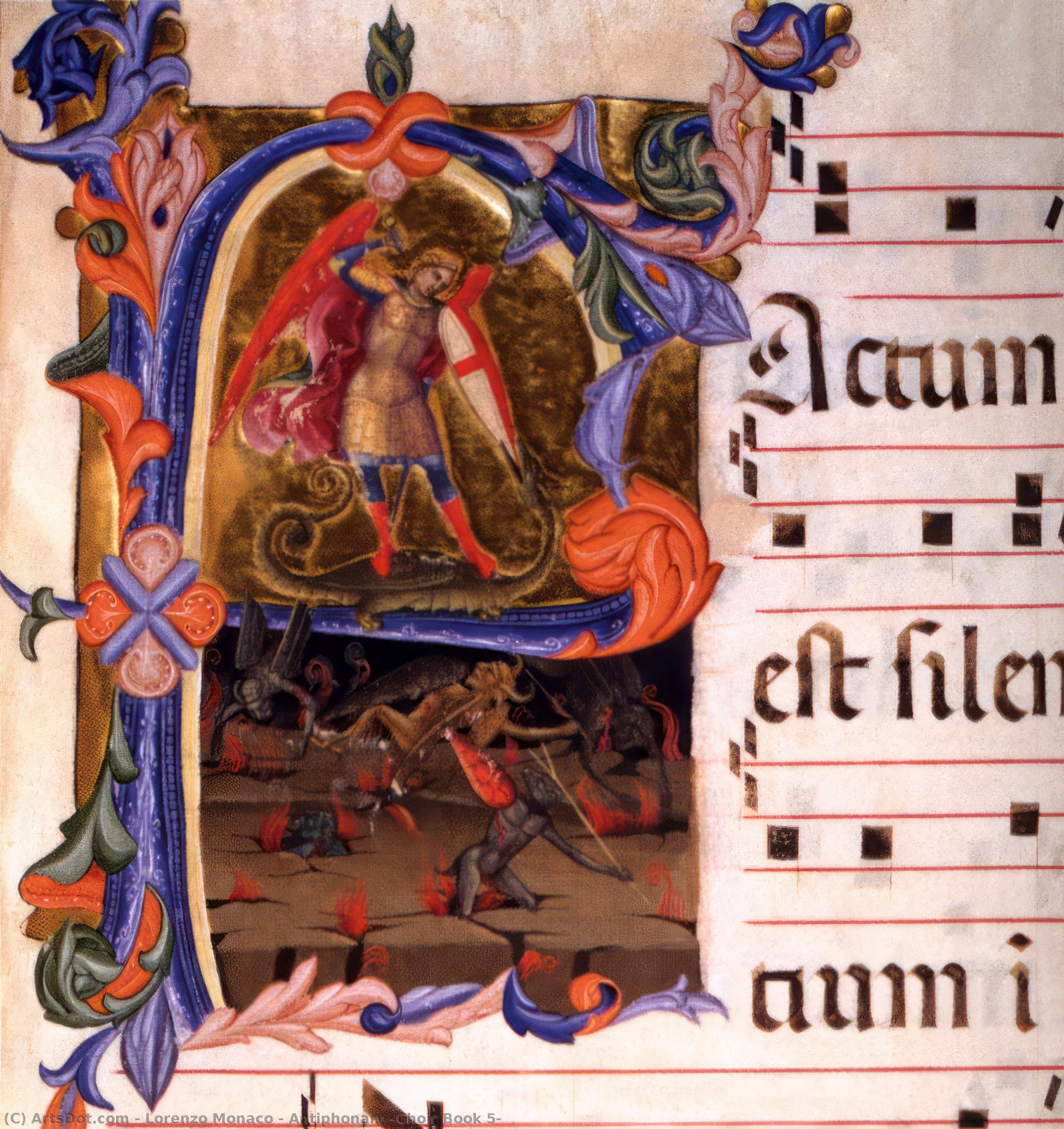
Lorenzo Monaco (1370-1425), born Piero di Giovanni in Siena, bridged Gothic grace & Renaissance innovation. Trained under Giotto, he embraced monastic life at Santa Maria degli Angeli, profoundly influencing his art with introspection and spiritual devotion.
Lorenzo Monaco: Bridging Gothic Grace and Renaissance Awakening
The Florentine artist Lorenzo Monaco (1370-1425) stands as an extraordinary figure in the artistic landscape of his era, embodying a pivotal transition between the solemn beauty of the Trecento Gothic tradition and the burgeoning optimism of the Quattrocento Renaissance. While biographical details remain elusive – largely obscured by the vagaries of historical records – Monaco’s oeuvre reveals a remarkable adaptability coupled with unwavering spiritual conviction. Initially apprenticed under masters like Giotto and Agnolo Gaddi, he absorbed the foundational principles of narrative clarity and emotional resonance that would become hallmarks of his distinctive style. However, it was his deliberate embrace of monastic life in 1390, joining the Camaldolese order at Santa Maria degli Angeli, that fundamentally shaped both his artistic vision and cemented his reputation as “Lawrence the Monk.” This profound commitment to contemplative devotion profoundly influenced the character of his artwork, imbuing it with an introspective quality absent from much of his contemporaries’ productions.
- Subject Matter: Monaco's artistic focus centered on religious iconography, particularly illuminated manuscripts and portraits depicting saints – a genre that flourished during this period reflecting the growing importance of piety and spiritual contemplation within Florentine society.
- Style: His style skillfully blended Gothic elegance with emerging Renaissance ideals. While retaining the meticulous detail and expressive emotion characteristic of Gothic art, Monaco subtly incorporated elements of linear perspective and chiaroscuro—techniques pioneered by artists like Masaccio—creating a harmonious fusion that signaled the dawn of a new artistic aesthetic.
- Technique: Monaco’s mastery lay in tempera on parchment, a technique prized for its luminosity and durability. He meticulously layered pigments onto prepared parchment, achieving astonishing levels of color fidelity and textural nuance. The resulting surfaces shimmered with an ethereal glow, capturing the subtle nuances of light and shadow—a hallmark of Renaissance painting that distinguished Monaco's work from earlier traditions.
The Antiphonary (Choir Book 5): A Window into Medieval Spirituality
Among Monaco’s most celebrated achievements is the Antiphonary (Choir Book 5), a magnificent illuminated manuscript housed within the Biblioteca Medicea-Laurenziana in Florence. Completed around 1394, this artwork transcends mere decorative embellishment; it serves as a tangible embodiment of medieval spiritual thought and artistic craftsmanship. The painting depicts a man standing before a group of figures engaged in prayer or musical performance—a scene replete with symbolic significance reflecting the liturgical practices of the time. Notice the meticulous attention to detail – from the folds of the monk’s robe to the expressive faces of his companions—demonstrating Monaco's unwavering commitment to portraying human emotion with profound accuracy.
- Symbolism: The intricate floral motifs and geometric patterns adorning the manuscript page are not merely ornamental flourishes; they represent cosmological concepts rooted in Christian theology. These symbols – lilies, roses, crosses – convey ideas of purity, divine grace, and spiritual ascension—reflecting the overarching aim of monastic art to inspire contemplation and guide viewers toward enlightenment.
- Historical Context: Monaco’s work emerged during a period of significant cultural transformation. The influence of Giotto’s naturalistic style was waning as artists increasingly sought to emulate classical ideals of beauty and proportion, marking a decisive break from the stylistic conventions of the Gothic era. Yet, Monaco skillfully preserved elements of Gothic tradition—particularly its expressive emotionalism—demonstrating an artist's ability to synthesize disparate influences into a cohesive artistic vision.
- Emotional Impact: Viewing the Antiphonary evokes a palpable sense of serenity and reverence. The luminous colors and masterful execution convey not only aesthetic beauty but also profound spiritual depth, transporting the viewer back to a time when faith permeated every aspect of daily life.
A Legacy Enduring Through Time
Lorenzo Monaco’s contribution to Florentine art—and indeed European artistic history—remains undeniable. He stands as a bridge between two distinct artistic epochs, demonstrating an artist's capacity for innovation while honoring the traditions of his predecessors. The Antiphonary (Choir Book 5), along with other illuminated manuscripts and portraits produced during Monaco’s lifetime, continue to inspire admiration for their exquisite craftsmanship and profound spiritual resonance—a testament to the enduring power of art to communicate ideas and emotions across centuries. His work serves as a poignant reminder that beauty can arise from contemplation and that artistic excellence is inextricably linked to moral integrity.