A Window into Parisian Society: The Portrait of Pierre Paul Royer-Collard
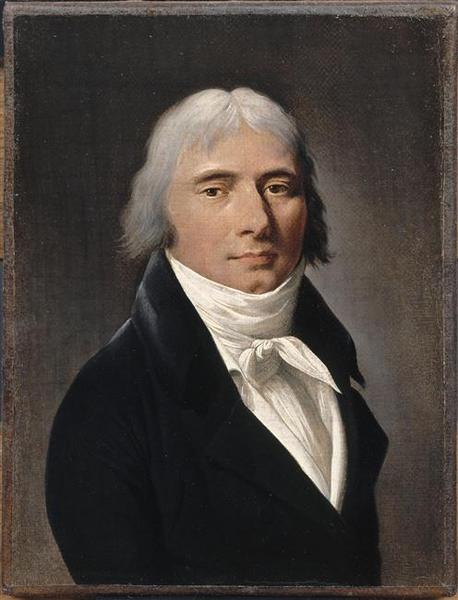
The portrait of Pierre Paul Royer-Collard, painted by Louis Léopold Boilly in the early 19th century, isn’t merely a likeness; it's a meticulously crafted window into the refined world of late Restoration France. More than just a depiction of a prominent statesman, this work embodies the era’s fascination with formality, social standing, and the subtle art of projecting an image of authority. Boilly, a master of capturing both individual character and the prevailing stylistic trends, has created a piece that speaks volumes through its restrained elegance and carefully orchestrated details.
Boilly's style is deeply rooted in Neoclassicism, yet subtly infused with the romantic sensibilities of the time. He eschews dramatic lighting or overtly emotional gestures, instead favoring a cool, controlled palette dominated by deep blacks, crisp whites, and muted pinks – colors that speak to wealth, status, and an adherence to established norms. The composition itself is deliberately balanced, drawing the eye directly to Royer-Collard’s face, which bears witness to both intelligence and a quiet confidence. The slightly off-center placement of the figure creates a dynamic tension, preventing the portrait from feeling static or overly formal.
Technical Mastery: Layers of Illusion and Subtle Detail
Examining the painting reveals Boilly’s extraordinary technical skill. He employs a layering technique, building up color through thin glazes of oil paint to achieve remarkable depth and luminosity. The rendering of fabric – particularly the dark coat and the intricate cravat – is astonishingly realistic, showcasing a deep understanding of texture and light reflection. Notice how the folds of the garment seem to possess an almost sculptural quality, adding volume and dimension to the portrait.
- Brushwork: Boilly’s brushstrokes are predominantly smooth and blended, creating a sense of seamlessness and refinement. There's a deliberate avoidance of visible brush marks, contributing to the painting’s polished appearance.
- Color Palette: The restrained color scheme – blacks, whites, pinks, and grays – reinforces the formality and seriousness of the subject.
- Lighting: The diffused lighting, seemingly originating from an unseen source on the left, casts gentle shadows that define the contours of Royer-Collard’s face and clothing, adding depth and realism to the image.
Symbolism and Context: A Portrait of Power and Prestige
Beyond its technical brilliance, the portrait is rich in symbolic meaning. The subject's direct gaze establishes an immediate connection with the viewer, conveying a sense of self-assurance and intellectual prowess. His attire – the dark coat, the elaborate cravat, and the subtle embellishments – are all indicators of his social standing and adherence to established conventions. Royer-Collard’s position as a leading figure in the Doctrinaires group, advocating for a conservative political agenda during a period of significant societal change, further elevates the portrait's historical importance.
The painting was created during the early 19th century, a time marked by the aftermath of the Napoleonic Wars and the Bourbon Restoration. France was grappling with questions of identity, governance, and social order. Boilly’s portrait captures this atmosphere of cautious optimism and renewed emphasis on tradition – a desire to return to the perceived stability and grandeur of the pre-revolutionary era. It's a visual testament to the enduring power of image and its ability to shape perceptions.
A Timeless Masterpiece: Reproduction and Beyond
Boilly’s portrait of Pierre Paul Royer-Collard remains a captivating work of art, offering a glimpse into the world of 19th-century French society. Reproductions, meticulously crafted by ArtsDot.com, allow us to appreciate the artist's skill and vision while preserving the integrity of the original masterpiece. Whether adorning a grand salon or a more intimate space, this portrait evokes a sense of timeless elegance and intellectual curiosity – a reminder of the enduring power of art to illuminate history and capture the essence of human character.