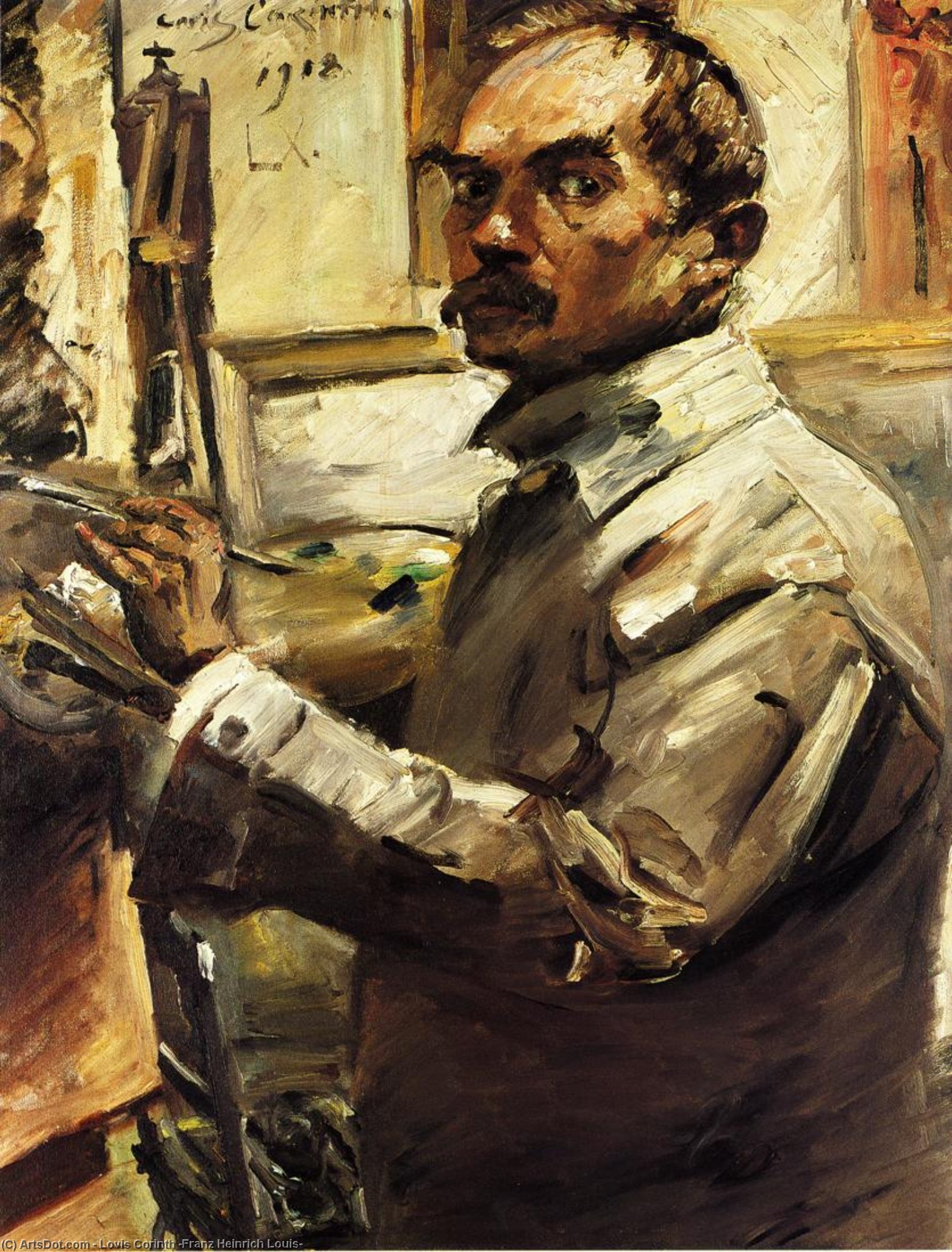
Lovis Corinth’s haunting Self Portrait captures raw vulnerability amidst Expressionism's grip—a masterful study in light and emotion from 1918. Explore this iconic piece and bring Corinth’s artistic vision home.
19世紀から20世紀初頭にかけて活躍したドイツの画家、ローヴィス・コリンス。印象派と表現主義を融合させた独自のスタイルで、人物画や風景画に生きた感情を込めた。「屠殺場にて」などの作品は、その力強い筆致と色彩感覚が際立つ。
古都コローネで感動体験!ゴシック美術から印象派の美しさまで、壁ラフ・リヒャルト美術館はヨーロッパ美術史を巡る旅です。ローマ遺跡の上に建てられた現代建築が織りなす空間で芸術の魂に触れましょう。
古都コローネで感動体験!ゴシック美術から印象派の美しさまで、壁ラフ・リヒャルト美術館はヨーロッパ美術史を巡る旅です。ローマ遺跡の上に建てられた現代建築が織りなす空間で芸術の魂に触れましょう。
コローネ美術館 ドイツ 美術 歴史 ゴシック美術 バロック絵画 印象派アート レナサンス宝物 ヨハネス・ヴォルカー クンゴ ビートリヒス・ライトケン スフォンデーション コローネ大聖堂 オスヴァルト・マティアス・ウンゲルス 古代ローマ神話建築
ドイツ
クラウス・フラース博士
コローネ市中心部
壁ラフ・リヒャルト美術館
ゴシック美術コレクション バロック絵画コレクション
約6百万人
Lovis Corinth’s Self Portrait in a White Smock: A Study in Vulnerability and Artistic Resolve
The painting “Self Portrait in a White Smock,” executed by Lovis Corinth in 1918, stands as a poignant testament to the artist's unwavering dedication to his craft amidst the backdrop of a turbulent era. More than just a depiction of an individual, it’s a profound exploration of human vulnerability and the enduring power of artistic conviction—themes that resonate powerfully even today. Corinth, born Franz Heinrich Louis in Tauwade, Netherlands, embarked on a remarkable artistic journey marked by both intellectual rigor and emotional honesty.
Style and Technique: Impressionistic Influences Amidst Expressionism’s Grip
Corinth's stylistic approach defies easy categorization, oscillating between impressionistic sensibilities and burgeoning expressionist tendencies. While acknowledging the influence of Monet and Renoir—particularly in capturing fleeting moments of light and atmosphere—he simultaneously embraced a darker palette and distorted forms to convey inner turmoil. The painting utilizes thick impasto brushstrokes, layering pigment onto the canvas with deliberate physicality. This technique isn’t merely decorative; it serves as a conduit for emotional intensity, mirroring Corinth's own preoccupation with confronting difficult truths about human experience. Notice how the textured surface captures the subtle nuances of light and shadow, creating an illusionistic depth that draws the viewer into the artist’s psychological landscape.
Historical Context: The Shadow of War and Artistic Transformation
Created during World War I, “Self Portrait” reflects the pervasive anxieties and uncertainties gripping Europe at the time. Corinth himself experienced significant personal hardship—the loss of his son—which undoubtedly fueled his artistic preoccupation with mortality and suffering. However, the painting transcends its immediate historical context by delving into universal themes of introspection and resilience. It speaks to the artist’s struggle to reconcile beauty and ugliness, joy and sorrow—a dichotomy that Corinth consistently wrestled with throughout his prolific career. The smock itself symbolizes protection from external pressures while simultaneously highlighting the artist's exposed vulnerability – a deliberate choice designed to provoke contemplation about the human condition.
Symbolism: Light, Darkness, and the Artist’s Inner Eye
The painting is replete with symbolic elements that enrich its emotional impact. The dominant use of white—particularly in the smock—represents purity and innocence, yet it's juxtaposed against dark hues that convey despair and disillusionment. Corinth’s gaze directly confronts the viewer, embodying a courageous assertion of selfhood amidst overwhelming circumstances. Furthermore, the inclusion of an umbrella suggests both shelter from adversity and a yearning for solace – mirroring Corinth’s own desire to find beauty even in darkness. The artist's eyes are particularly striking; they appear to pierce through the surface of the canvas, inviting viewers to contemplate their own inner landscapes.
Emotional Impact: A Portrait of Courageous Artistic Integrity
Ultimately, “Self Portrait” succeeds as a masterpiece because it captures the essence of Corinth’s artistic spirit—a spirit characterized by unwavering honesty and an unflinching willingness to confront uncomfortable realities. It's not merely a likeness of Corinth; it’s a psychological portrait that reveals his profound sensitivity and intellectual curiosity. The painting compels us to consider questions about identity, suffering, and the transformative power of art. Like all great works of art, it lingers in the memory long after viewing, prompting reflection on our own lives and experiences—a testament to Corinth's enduring legacy as one of the most emotionally resonant artists of his generation.