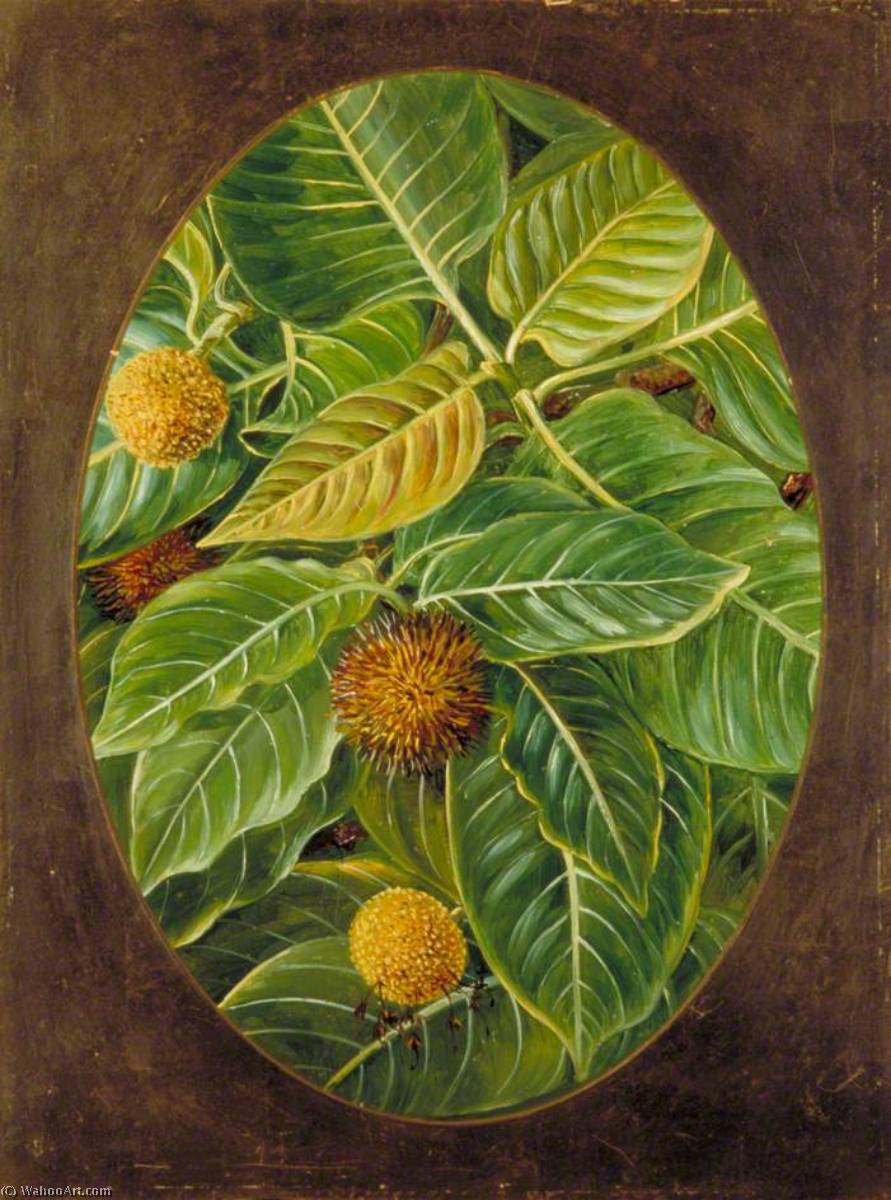
Vibrant Impressionistic depiction of Marianne North’s ‘The Kuddum or Cadamba,’ 1878, showcases a lush tropical jungle scene with yellow flowers and green foliage, reflecting Victorian botanical exploration and artistic beauty. Discover this unique hand-painted reproduction.
A Victorian Explorer's Ode to Tropical Blooms
Marianne North’s “The Kuddum or Cadamba,” painted in 1878, stands as a remarkable testament to the Victorian fascination with botanical exploration and artistic representation. More than just a depiction of foliage and flowers—specifically the Cadamba tree (Litsea mucronata), endemic to Southeast Asia—it embodies North’s unwavering dedication to documenting the beauty and diversity of the natural world during an era defined by scientific advancement and imperial ambition.
Style & Technique: North eschewed academic conventions, favoring a vibrant Impressionistic style that prioritized capturing fleeting moments of light and color. Unlike many artists of her time who meticulously rendered botanical specimens with painstaking detail, North embraced loose brushstrokes and blended hues to convey the atmosphere of the jungle environment. Her technique involved layering thin washes of pigment onto canvas, building up texture and luminosity through repeated applications.
Historical Context: The Victorian period witnessed an unprecedented surge in scientific curiosity and a fervent desire to classify and understand the natural world. Driven by figures like Charles Darwin and Alfred Russel Wallace, botanists embarked on expeditions across continents—often funded by wealthy patrons—to collect specimens and meticulously record their observations. Marianne North’s work aligns perfectly with this intellectual fervor, reflecting the broader ethos of scientific discovery and artistic appreciation for nature.
Symbolism & Narrative: The Cadamba tree itself holds significance beyond its aesthetic appeal. In Hindu mythology, it symbolizes fertility, prosperity, and longevity—themes deeply rooted in Southeast Asian culture. North’s careful composition—highlighting the central cluster of yellow flowers against a backdrop of lush green leaves—suggests an idealized vision of tropical paradise. It's not merely a botanical illustration; it’s an emotive response to the grandeur and vibrancy of the natural world.
Emotional Impact: Viewing “The Kuddum or Cadamba” evokes a feeling of tranquility and wonder. The artist’s masterful use of color—particularly the radiant yellows—captures the brilliance of sunlight filtering through the canopy, transporting the viewer to a remote jungle landscape. More than just a beautiful painting, it serves as a reminder of the importance of preserving biodiversity and appreciating the sublime beauty of untouched wilderness.
- Dimensions: 38 x 28 cm
- Medium: Oil on Canvas
- Provenance: Royal Botanic Gardens, Kew
A stunning reproduction of this iconic artwork offers collectors and interior designers alike the opportunity to bring a piece of Victorian botanical artistry into their homes—a celebration of scientific observation combined with artistic sensitivity.