A Vision of Faith Amidst the Shadows
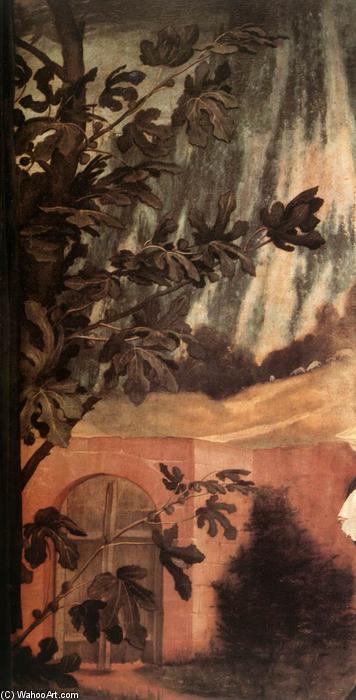
In the quiet, hallowed corridors of the Musée d'Unterlinden in Colmar, there exists a fragment of a much larger, more profound spiritual journey. Matthias Grünewald’s "Nativity (detail)" is not merely a window into a biblical event; it is an immersive descent into the turbulent, deeply felt spirituality of the Northern Renaissance. Created between 1512 and 1516 as part of the monumental Isenheim Altarpiece, this work captures a moment of divine arrival that feels both intimately tender and heavy with the weight of future sacrifice. Unlike the idealized, sun-drenched scenes emerging from the Italian Renaissance during the same era, Grünewald presents a world where light and shadow engage in a dramatic, almost visceral struggle, inviting the viewer to witness the birth of Christ through a lens of profound human vulnerability.
The composition of this detail draws the eye into a meticulously crafted landscape of texture and emotion. One might find themselves captivated by the intricate foliage of a dark, twisting tree, its leaves rendered with such naturalistic precision that they seem to rustle in the cool night air. Nearby, the simple, evocative architecture of a red-walled structure provides a grounding element, its starkness contrasting with the organic complexity of the surrounding nature. Within this setting, figures emerge from the gloom—perhaps shepherds or members of the Holy Family—their presence partially obscured by shadows and leaves, creating a sense of depth that pulls the observer into the very heart of the mystery. The palette is dominated by earthy tones and muted hues, yet it is punctuated by moments of startling brilliance that reflect Grünew andwald's unique mastery over light.
The Mastery of Northern Expression
To behold this work is to understand the rejection of classical perfection in favor of emotional truth. Grünewald’s technique is a triumph of the Northern European tradition, characterized by an almost obsessive attention to detail and a luminous use of oil paint on panel. He famously utilized grisaille—a monochrome technique—in other parts of the Isenheim Altarpiece to depict the harrowing Crucifixion, but in this Nativity detail, he employs a more vibrant, though still somber, color language. The way the light catches the edges of drapery and the subtle textures of the skin conveys a palpable sense of presence. There is no attempt to hide the ruggedness of the world; instead, the artist celebrates the tactile reality of the earth, making the divine feel accessible and physically real.
The historical context of this piece adds a layer of profound poignancy for any collector or admirer. Commissioned for the Saint Ludgerus Hospital in Oberammergau—a sanctuary for those suffering from skin diseases like tuberculosis—the altarpiece was designed to offer spiritual solace to the afflicted. Every brushstroke carries the intention of providing hope amidst physical agony. For the interior designer or art enthusiast, bringing a reproduction of such a piece into a space offers more than just aesthetic beauty; it introduces a narrative of resilience and the enduring power of grace. It is a conversation piece that demands reflection, offering a sophisticated anchor for a room that values depth, history, and the evocative power of the Northern Renaissance spirit.