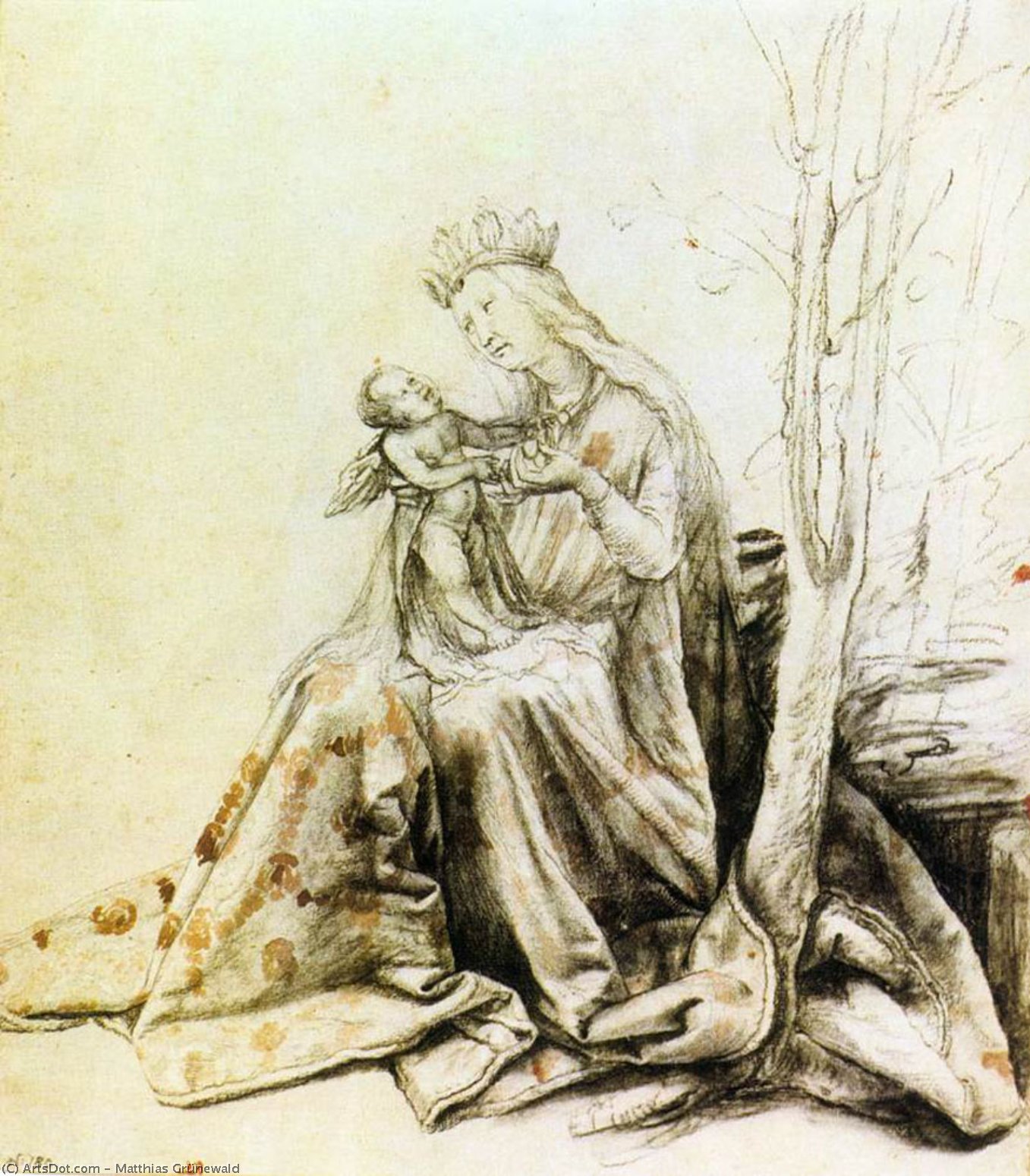
Experience Matthias Grünewald’s ‘Virgin and Child,’ a monumental Northern Gothic Revival masterpiece showcasing the Virgin Mary's palpable realism and emotional depth from 1514. Discover this iconic artwork and its profound symbolism – perfect for art lovers.
マティアス・グリューネヴァルトの劇的なドイツ・ルネサンス美術を探索しましょう!『イーゼンハイム祭壇画』や感情豊かな宗教画で知られる彼の独自のスタイルを、ArtsDotで発見してください。
国立博物館群
(Berlin, Germany)
ベルリンの歴史と芸術を Staatliche Museen で探求!ネフェルティティ像、古代遺物、17の博物館が集まる美術館群で、ドイツの文化遺産に触れる旅へ。
#ベルリン #美術館 #博物館島 #ネフェルティティ
A Testament of Faith: Exploring Matthias Grünewald’s Virgin and Child
Matthias Grünewald stands as a singular voice amidst the burgeoning Renaissance fervor, embodying the enduring spirit of late medieval German art. Born around 1470-1475 in Würzburg, his artistic journey wasn't driven by humanist ideals but rather by an unwavering devotion to religious iconography—a path that yielded masterpieces like “Virgin and Child,” currently housed at St. Mary’s Church in Altötting, Bavaria. This monumental altarpiece transcends mere depiction; it’s a profound meditation on divine grace and maternal tenderness, meticulously crafted with unparalleled skill and imbued with layers of symbolic meaning.
Style and Technique: Northern Gothic Revival
Grünewald's stylistic approach firmly anchors itself within the traditions of Northern Gothic art, albeit infused with an innovative realism that distinguishes him from his contemporaries. Unlike the idealized figures favored by Italian artists, Grünewald’s Virgin Mary possesses palpable fleshiness—a daring departure for the time—reflecting a desire to portray biblical subjects with emotional honesty and anatomical accuracy. The painting utilizes tempera on oak panels, a technique known for its luminosity and durability, allowing for vibrant colors and intricate detail. Grünewald's meticulous layering of glazes creates depth and texture, capturing the subtle nuances of light and shadow—a hallmark of Northern Gothic artistry.
Historical Context: Reformation’s Shadow
“Virgin and Child” was created during a turbulent period marked by the burgeoning Protestant Reformation. The Catholic Church sought to reaffirm its authority through devotional art, commissioning works like this to inspire piety and solidify faith. Grünewald's depiction of Mary cradling Jesus embodies the Madonna and Child motif—a central symbol of Christian iconography representing purity, compassion, and divine motherhood—serving as a powerful visual testament to spiritual conviction. The painting’s commission underscores the importance of religious imagery in shaping cultural identity during this transformative era.
Symbolism: Layers of Meaning
The artwork is replete with symbolic elements that enrich its narrative significance. The radiant halo surrounding Mary symbolizes her holiness and divine grace, while the crown signifies her royal status as Queen of Heaven. The tree branch beneath Mary’s feet represents life and resurrection—a visual allusion to Jesus's ascension and the promise of eternal salvation. Furthermore, Grünewald’s masterful use of color contributes to the painting’s emotional impact; the warm hues evoke feelings of comfort and serenity, mirroring the serene beauty of the Madonna and Child iconography.
Emotional Impact: Reverence and Tranquility
“Virgin and Child” continues to captivate viewers centuries after its creation due to its profound emotional resonance. Grünewald's expressive portrayal of Mary’s gaze conveys tenderness and compassion—a poignant reminder of maternal love and divine mercy. The painting inspires contemplation on themes of faith, humility, and spiritual devotion. Its enduring appeal speaks to the universal human desire for beauty, serenity, and connection with the sacred—qualities perfectly captured in this unforgettable masterpiece.