ミケランジェロ・ブオナローティ(1475-1564):ダビデ像やピエタ、システィナ礼拝堂の天井画など、ルネサンスを代表する巨匠の世界。彫刻、絵画、建築における革新的な才能と、美術史への永続的な影響を紐解きます。
ints at the basilica’s foundational story: its origins lie in the safeguarding of the chains believed to have bound Saint Peter during his imprisonment in Jerusalem
ローマ
イタリア
A Sanctuary of Faith and Renaissance Genius: Exploring San Pietro in Vincula
Nestled on Rome’s historic Oppian Hill
ローマのサン・ピエトロ・イン・ヴィンコリへ!ミケランジェロの息をのむモーゼ像と、聖ペテロの鎖をご覧ください。古代の遺物、信仰、芸術が融合した歴史的なバシリカです。
ローマ, サン・ピエトロ
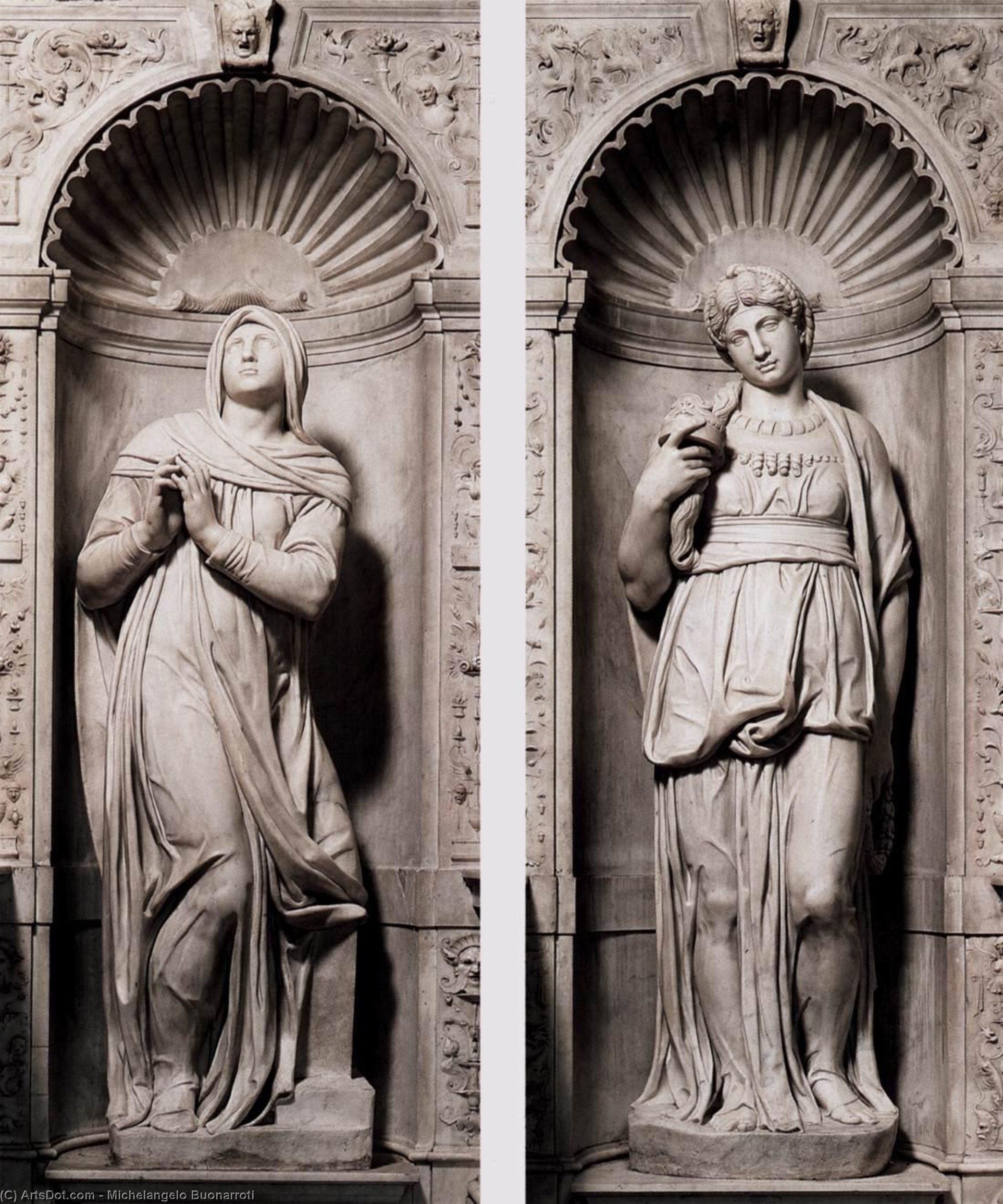
Michelangelo Buonarroti’s Rachel and Leah: A Testament to Marble Mastery
Michelangelo Buonarroti, arguably the pinnacle of Renaissance artistic achievement, bequeathed upon humanity a legacy defined by breathtaking sculpture – foremost among them ‘Rachel and Leah,’ a monumental marble depiction housed within the San Pietro in Vincoli basilica in Rome. Completed in 1545 during his prolific period, this artwork transcends mere representation; it embodies Michelangelo’s profound understanding of human anatomy, idealized beauty, and the enduring power of biblical narrative.
- Subject Matter: The sculpture portrays Rachel and Leah, wives of Jacob from Genesis, capturing a poignant moment of contemplation and devotion.
- Style: Michelangelo’s style is unmistakably High Renaissance – characterized by meticulous detail, balanced composition, and an unwavering commitment to classical ideals.
- Technique: Executed with unparalleled skill in marble carving, the sculpture utilizes Buonarroti's masterful manipulation of stone to achieve remarkable realism and expressive nuance. The sculptor employed techniques like *contrapposto* – a subtle shift in weight distribution – to imbue the figures with dynamism and grace.
The basilica itself holds considerable historical significance, serving as a mausoleum for Pope Julius II and commemorating Saint Peter’s imprisonment centuries earlier. Michelangelo's involvement in this grand project underscores his ambition to elevate art as a vehicle for spiritual contemplation and commemorates the sanctity of faith.
Historical Context & Artistic Inspiration
Michelangelo’s fascination with classical sculpture profoundly influenced his artistic vision. He meticulously studied statues by Phidias and Polyclitus, absorbing their principles of proportion and anatomical accuracy. This dedication to observation and emulation is evident in every facet of ‘Rachel and Leah,’ where Michelangelo strives to capture the essence of human emotion through sculpted form.
Furthermore, the sculpture’s placement within San Pietro in Vincoli – alongside Moses—creates a powerful dialogue between pagan and Christian iconography. Michelangelo deliberately juxtaposes these traditions to elevate the biblical narrative and imbue it with universal significance.
Symbolism & Emotional Resonance
'Rachel and Leah' is laden with symbolic meaning, reflecting themes of faith, humility, and maternal devotion. Rachel’s outstretched hands represent prayerful supplication, while Leah’s posture embodies quiet contemplation—a testament to the inner life of piety. The sculpture’s serene expression invites viewers to contemplate profound questions about spirituality and human experience.
Its enduring beauty lies not merely in its technical brilliance but also in its ability to evoke empathy and inspire awe. Michelangelo's masterpiece continues to captivate audiences today, reminding us of the transformative power of art to transcend time and communicate timeless truths.
Discover More About Michelangelo’s Legacy