The Silent Suffering: An Exploration of St. Sebastian
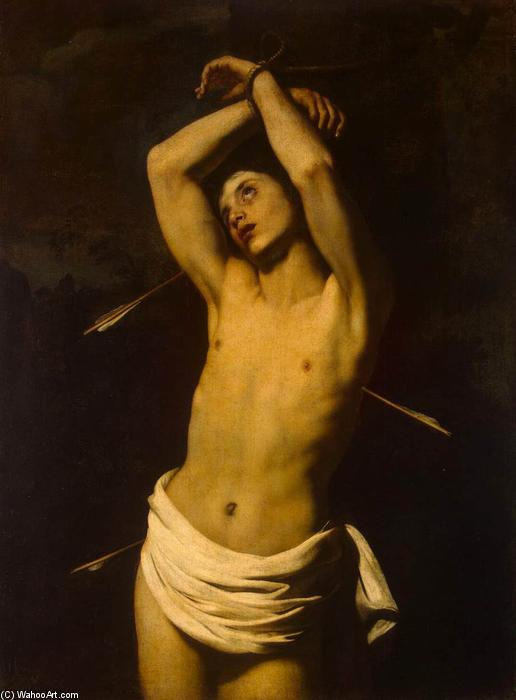
Nicolas Régnier’s “St. Sebastian,” painted around 1620, isn't merely a depiction of a biblical martyr; it’s a profound meditation on pain, faith, and the enduring human spirit. The painting immediately commands attention with its dramatic chiaroscuro – a masterful manipulation of light and shadow that plunges the figure into an almost agonizing darkness, punctuated by the stark brilliance illuminating his body. This technique, deeply rooted in Caravaggio's influence, isn’t simply aesthetic; it serves to amplify the emotional weight of Sebastian’s suffering, drawing the viewer directly into his torment.
The subject himself is rendered with a startling realism. A young man, seemingly on the cusp of manhood, lies prostrate, his muscular arms and shoulders exposed in a gesture both vulnerable and defiant. His face, etched with pain and resignation, holds an expression that transcends mere suffering – it speaks to a deep-seated spiritual struggle. The white cloth draped across his shoulder isn’t merely decorative; it symbolizes purity and sacrifice, yet its folds also hint at the vulnerability of flesh against the relentless onslaught of pain.
Baroque Drama: Style and Technique
Régnier was a pivotal figure in the transition from the High Renaissance to the Baroque period. His work embodies the movement’s key characteristics – an intense emotionality, dynamic compositions, and a fascination with dramatic lighting. The painting showcases his skill in capturing the textures of fabric and flesh, achieved through meticulous observation and a deep understanding of anatomy. Notice the subtle variations in tone across his skin, the way the light catches on the folds of the cloth, and the delicate rendering of the arrows piercing his body – each detail contributes to the overall sense of realism and immediacy.
- Oil on Canvas: The medium itself lends a richness and depth to the colors, allowing for subtle gradations of tone that enhance the dramatic effect.
- Chiaroscuro: As mentioned before, this technique is central to the painting’s power, creating a palpable sense of tension and drawing the viewer's eye to Sebastian’s suffering.
- Realism & Anatomy: Régnier demonstrates a remarkable understanding of human anatomy, particularly evident in the depiction of Sebastian’s musculature and the realistic portrayal of his wounds.
A Historical Echo: Context and Symbolism
“St. Sebastian” was created during a period of intense religious fervor and political upheaval in Europe. The persecution of Christians under Diocletian provided a powerful backdrop for the saint’s story, emphasizing themes of faith, sacrifice, and martyrdom. Sebastian himself became a potent symbol of resilience and unwavering devotion – a figure who endured unimaginable suffering with dignity and grace. The arrows piercing his body aren't simply wounds; they represent the physical manifestation of persecution and the price paid for holding fast to one’s beliefs.
The setting, shrouded in darkness, further reinforces this symbolism. It suggests a realm beyond earthly comfort, a space of spiritual struggle and ultimate redemption. The painting resonates with echoes of earlier depictions of St. Sebastian, particularly those found in Roman mosaics and sarcophagi, yet Régnier imbues the subject with a uniquely personal intensity.
A Legacy of Beauty: Reproduction and Appreciation
As a handmade oil painting reproduction, this artwork offers a tangible connection to a masterpiece of the Baroque period. It’s more than just a decorative image; it's an opportunity to experience the artistry and emotional depth of Nicolas Régnier’s vision. The meticulous attention to detail in the reproduction faithfully captures the nuances of the original, allowing you to appreciate the painting’s dramatic lighting, realistic rendering, and profound symbolism. Whether displayed in a grand salon or a quiet study, “St. Sebastian” serves as a powerful reminder of the enduring human capacity for faith, courage, and artistic expression.