セザンヌ
(1839 - 1906)
セザンヌは印象派とキュビスムを繋ぐ革新的画家。リンゴや風景、バスティユなどを独自の視点で捉え、後の芸術に多大な影響を与えました。幾何学的な形態と色彩の探求が特徴です。
A Moment Frozen in Time: Cézanne’s Still Life Reverie
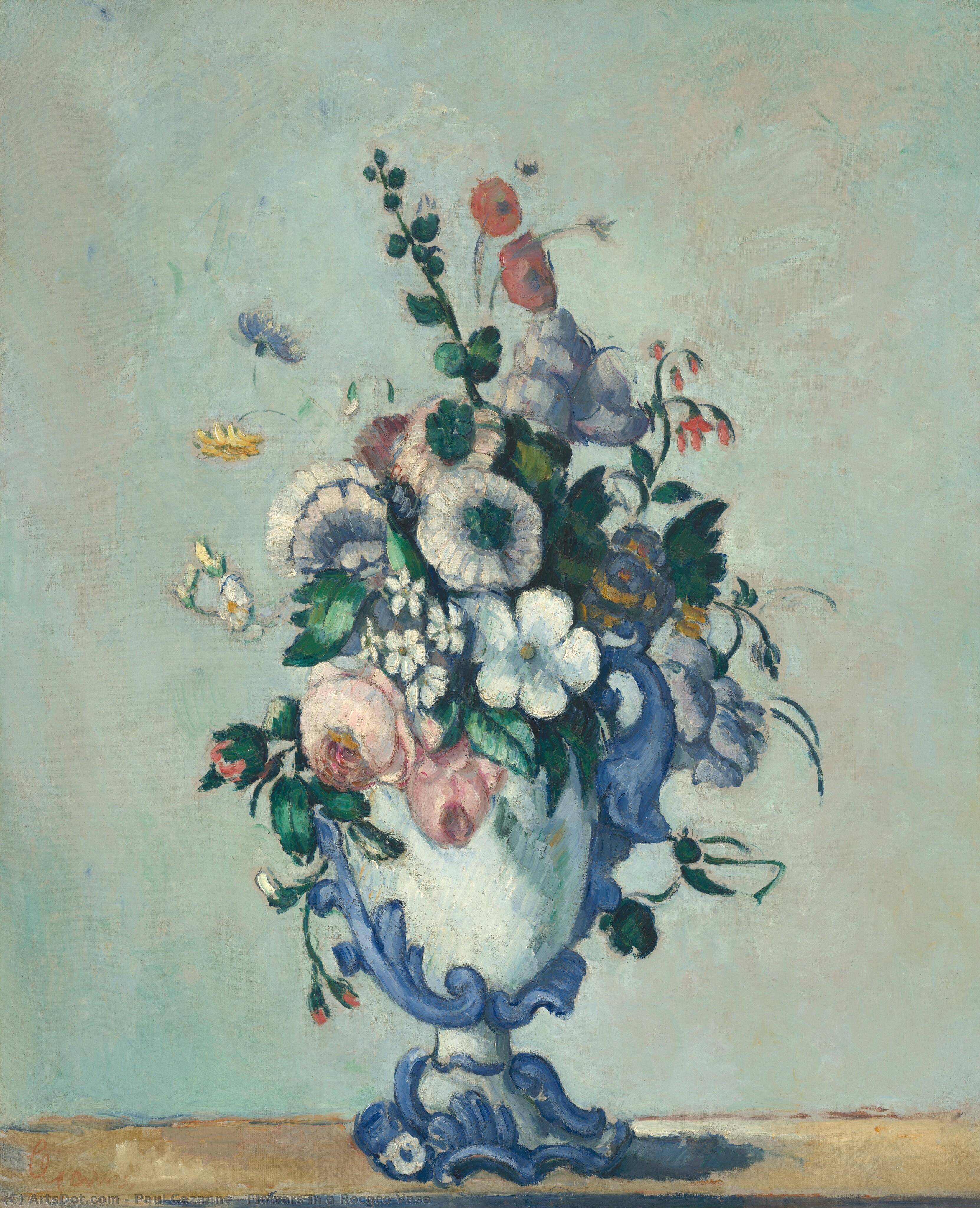
Paul Cézanne's “Flowers in a Rococo Vase,” painted in 1876, isn’t merely a depiction of botanical beauty; it represents a pivotal moment in the artistic landscape—a defiant assertion of form over fleeting impression. Initially met with skepticism by critics who deemed his work unfinished and lacking tonal harmony, Cézanne persevered, establishing himself as one of the foundational figures of modern art through sheer tenacity and unwavering conviction in his vision. This painting embodies the burgeoning spirit of Post-Impressionism, rejecting the optical realism championed by Monet and Renoir for a more subjective exploration of perception.
The Formal Language of Observation
Cézanne’s technique is characterized by a deliberate fragmentation of form—a revolutionary departure from traditional academic conventions. Rather than striving to capture an accurate representation of light and color as seen by the eye, Cézanne painstakingly builds up surfaces with thick, impasto brushstrokes, creating palpable textures that convey solidity and presence. The vase itself isn’t rendered in smooth curves; instead, it's broken down into geometric planes—cylinders and cones—suggesting an underlying structure beneath the visible surface. This approach anticipates Cubism decades later, demonstrating Cézanne’s profound influence on subsequent artistic movements. Notice how he blends colors subtly, creating a hazy atmosphere that enhances rather than diminishes the vibrancy of the flowers themselves.
Symbolic Resonance: Echoes of Rococo Elegance
The painting's setting—a pale sea-green background—references the opulent aesthetic of the Rococo period, specifically echoing the decorative motifs prevalent in aristocratic interiors. The inclusion of a delicate blue vase and scrolls symbolizes refinement and grace, mirroring the grandeur of Versailles and other royal palaces. However, Cézanne doesn’t simply reproduce Rococo style; he transforms it into something entirely new—a visual meditation on stillness and contemplation. The flowers themselves – roses, coral pink blossoms, delphinium blue hues, and buttercup yellow accents – are emblems of beauty and fragility, representing the ephemeral nature of life itself.
A Window Into Cézanne’s Soul
Beyond its formal innovations and stylistic references, “Flowers in a Rococo Vase” speaks to something deeper—Cézanne's unwavering commitment to capturing the essence of his subject matter. The artist’s signature in the lower left corner underscores this dedication, asserting that he sought not just to depict what he saw but to distill it into its purest form. The scattered insects contribute to a sense of dynamism within the composition, hinting at an underlying energy—a subtle counterpoint to the stillness conveyed by the vase and flowers. Ultimately, Cézanne’s masterpiece invites viewers to pause and consider the profound beauty inherent in observing the natural world with unwavering attention and conviction. It remains a testament to the transformative power of art – a timeless exploration of form, color, and emotion that continues to inspire admiration and contemplation today.