Paul Cézanne’s Introspective Masterpiece: “Self Portrait with Palette”
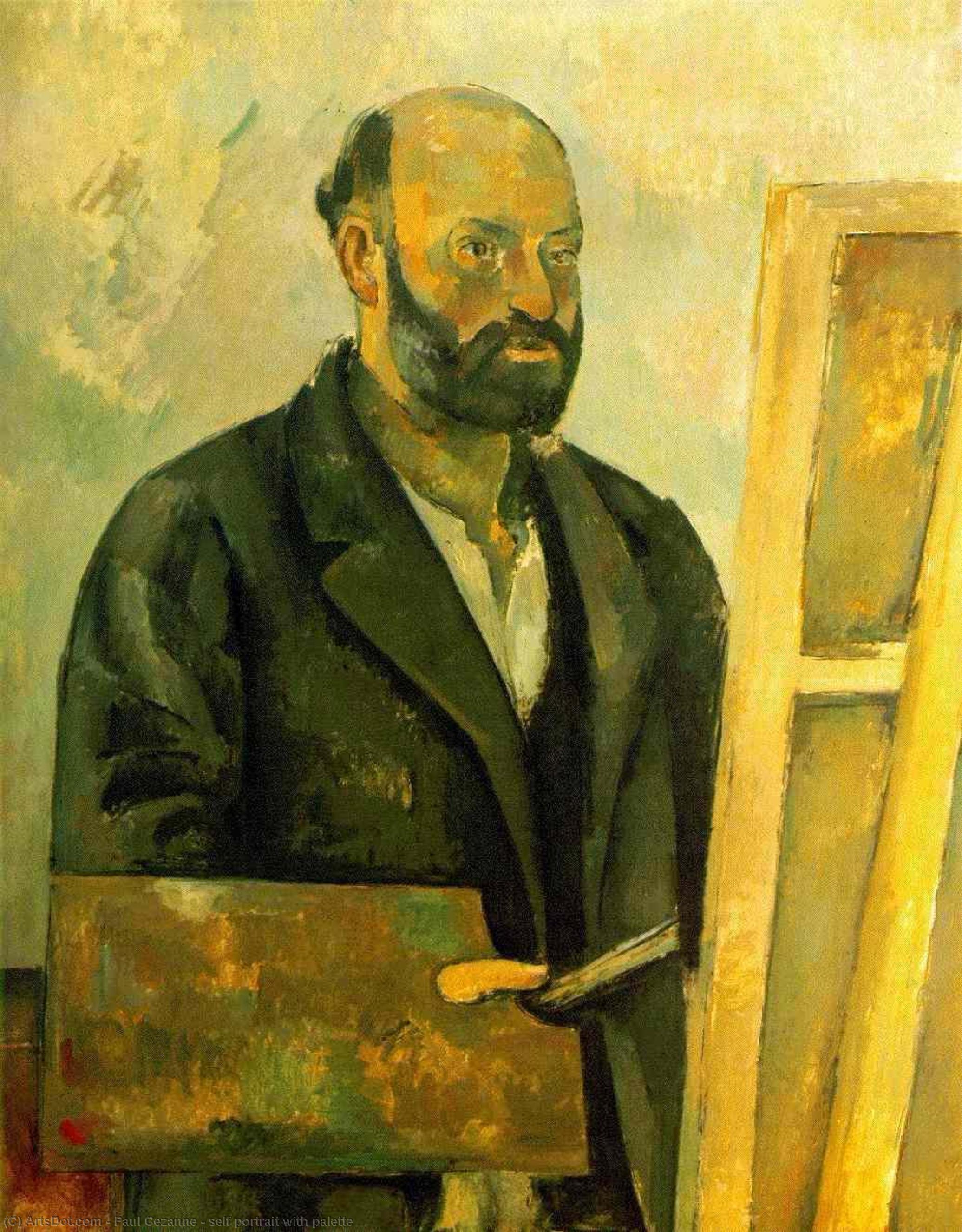
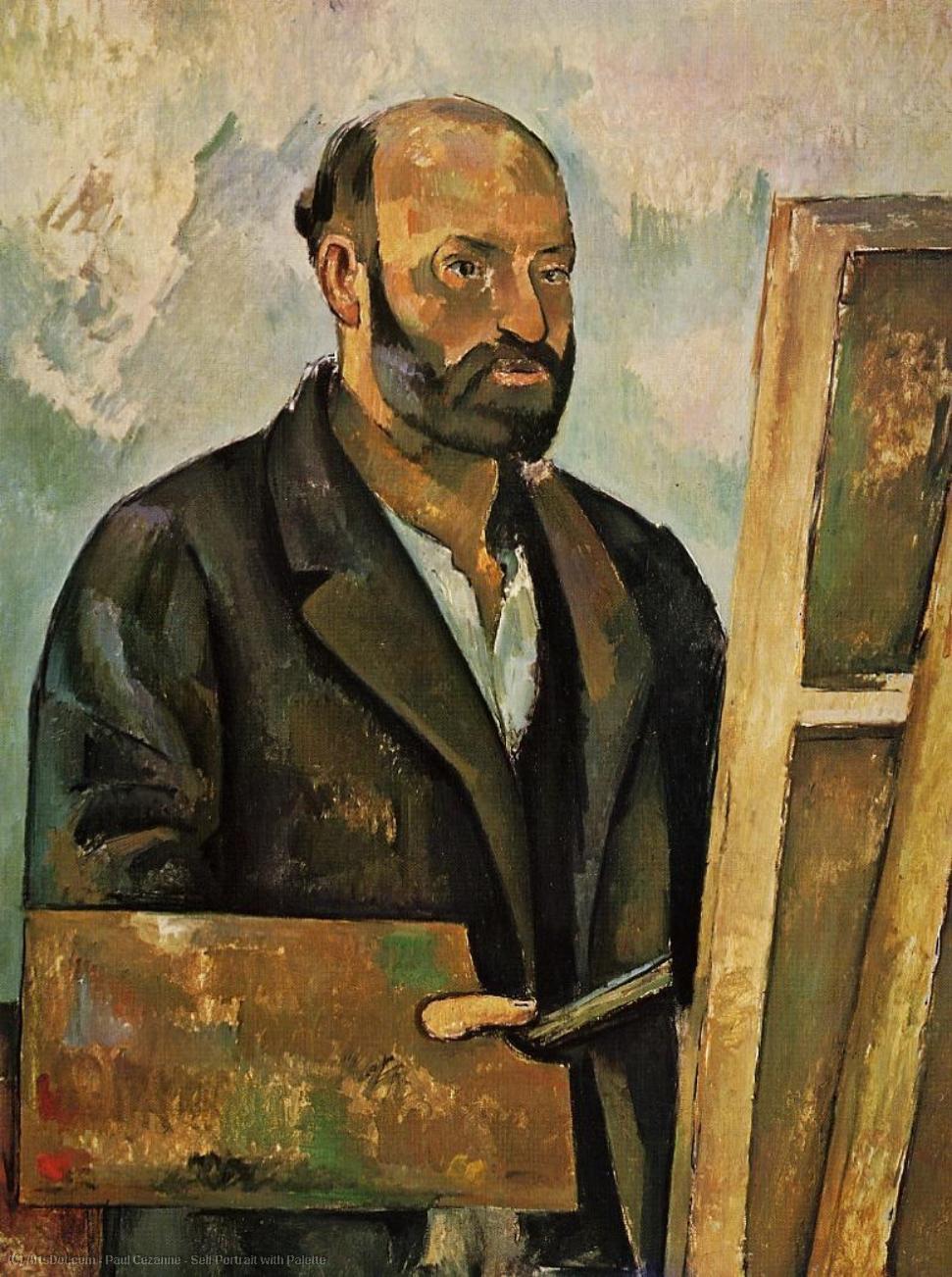
Paul Cézanne's "Self Portrait with Palette," painted in 1887, isn’t merely a depiction of an artist; it’s a profound meditation on the act of creation itself. This intimate work, housed within the broader context of Post-Impressionism’s revolutionary shift, offers a rare glimpse into Cézanne's artistic process and his deeply considered approach to form and color. More than just a self-portrait, it’s a visual manifesto—a declaration of intent about how he sought to capture the essence of reality on canvas.
Cézanne’s journey toward this distinctive style began with an exploration of Impressionism's vibrant colors and fleeting moments. However, he quickly recognized its limitations, particularly in representing underlying structure. He moved beyond simply recording visual impressions, instead focusing on distilling objects down to their fundamental geometric shapes – a process that would profoundly influence the development of Cubism. “Self Portrait with Palette” exemplifies this shift; Cézanne doesn’t aim for photographic realism but rather constructs a carefully balanced composition based on simplified forms and planes of color. The painting is dominated by rectangular shapes—the figure, the easel, the palette itself—arranged in a deliberate, almost architectural manner.
The technique employed is instantly recognizable as Cézanne’s signature style. He utilizes repetitive, exploratory brushstrokes that build up to create complex fields of color and texture. These aren't delicate, blended strokes; rather, they are assertive, visible marks that contribute to the painting’s solidity and depth. Notice how he uses short, broken brushstrokes to define the contours of his suit and tie, creating a sense of volume and presence. The palette in his hand isn’t simply an accessory but becomes an integral part of the composition—a vibrant, almost sculptural element that anchors the scene. The subtle variations in color – from the deep blues and blacks of his attire to the warmer tones of the background – create a harmonious yet dynamic visual experience.
A Window into Cézanne’s World
Beyond its formal qualities, “Self Portrait with Palette” offers insights into Cézanne's personal life and artistic philosophy. The suit and tie he wears suggest a sense of formality and perhaps even a degree of self-consciousness—a deliberate contrast to the more spontaneous nature of his landscapes. The inclusion of the palette is particularly significant; it’s not just a tool for painting but a symbol of his creative process, a tangible representation of his engagement with the world around him. The background, rendered in muted tones and suggesting a simple interior space, hints at a life dedicated to art, away from the bustle of Parisian society.
Historically, this painting was created during a pivotal moment in Cézanne’s career. Ambroise Vollard's 1895 exhibition provided crucial recognition for his work, paving the way for wider acceptance and influencing artists like Henri Matisse and Pablo Picasso. It’s fascinating to consider how these younger artists, deeply impacted by Cézanne’s innovations, would later build upon his foundations, ultimately shaping the course of modern art. Cézanne's influence is particularly evident in the Proto-Cubist phase—a movement characterized by geometric schemas and a reduction in color palette – directly responding to Cézanne’s pioneering work in deconstructing form and simplifying perspective.
Symbolism and Emotional Resonance
The painting resonates with a quiet intensity. It's not a flamboyant self-portrait brimming with ego, but rather a contemplative study of an artist at work. The deliberate arrangement of the elements—the figure, the palette, the easel—creates a sense of balance and harmony, reflecting Cézanne’s belief in the underlying order of nature. The muted colors and simplified forms evoke a feeling of stillness and introspection, inviting the viewer to contemplate the process of artistic creation.
“Self Portrait with Palette” is more than just a visual record; it's an embodiment of Cézanne’s artistic vision—a testament to his dedication to exploring the fundamental principles of art. It stands as a bridge between Impressionism and modernism, demonstrating how a single artist could profoundly reshape our understanding of representation and pave the way for generations of artists to come.
Resources:
Additional Information: