Introduction to Piero della Francesca and his Artistic Style
Piero della Francesca, born c. 1415 in Sansepolcro, Italy, was a renowned painter of the Early Renaissance. He is celebrated for his serene, disciplined exploration of perspective, which had little influence on his contemporaries but came to be recognized as a major contribution to the Italian Renaissance in the 20th century. His work often features a tranquil humanism and meticulous incorporation of geometry, reflecting his background as a learned mathematician and geometer.
The Portrait of a Lady: A Masterpiece of Piero della Francesca
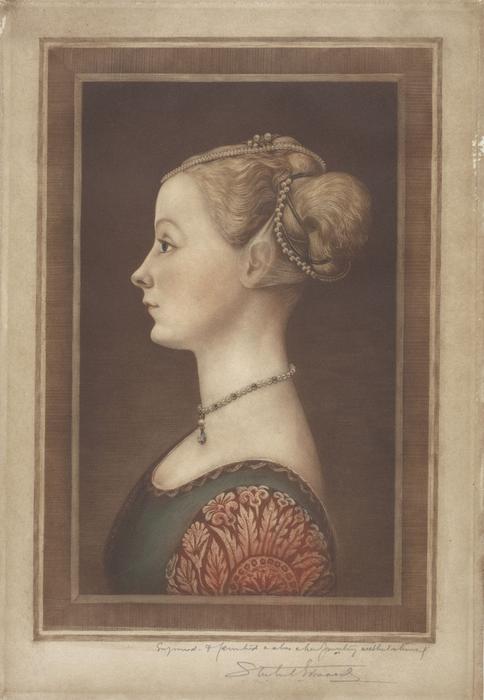
One of Piero della Francesca's most famous works is the
"Portrait of a Lady", an oil painting on panel created in c. 1465. This masterpiece exemplifies his distinctive style and technique, showcasing his mastery of perspective and attention to detail. The subject of the portrait is believed to be a member of the powerful Montefeltro family, who ruled over Urbino during the Renaissance period.
The Significance of Portraiture in Piero della Francesca's Work
Portraiture played an essential role in Piero della Francesca's oeuvre, as it allowed him to explore the relationship between the individual and their surroundings. The
"Portrait of a Lady" is a prime example of this exploration, as the subject is depicted with a sense of dignity and self-assurance, reflecting her status and importance in society.
The Legacy of Piero della Francesca's Portrait of a Lady
Today, the
"Portrait of a Lady" is considered one of the most iconic works of the Early Renaissance, and its influence can be seen in the works of many subsequent artists. At
ArtsDot.com, you can find high-quality handmade oil painting reproductions of this masterpiece, allowing you to appreciate its beauty and significance in your own home or office.
Conclusion: The Enduring Legacy of Piero della Francesca's Art
Piero della Francesca's contributions to the Early Renaissance continue to be celebrated and studied today, and his work remains an essential part of the artistic canon. By exploring his masterpieces, such as the
"Portrait of a Lady", we can gain a deeper appreciation for the artistic and cultural achievements of the Renaissance period.