A Quiet Moment: Exploring Renoir’s ‘Head of a Dog’
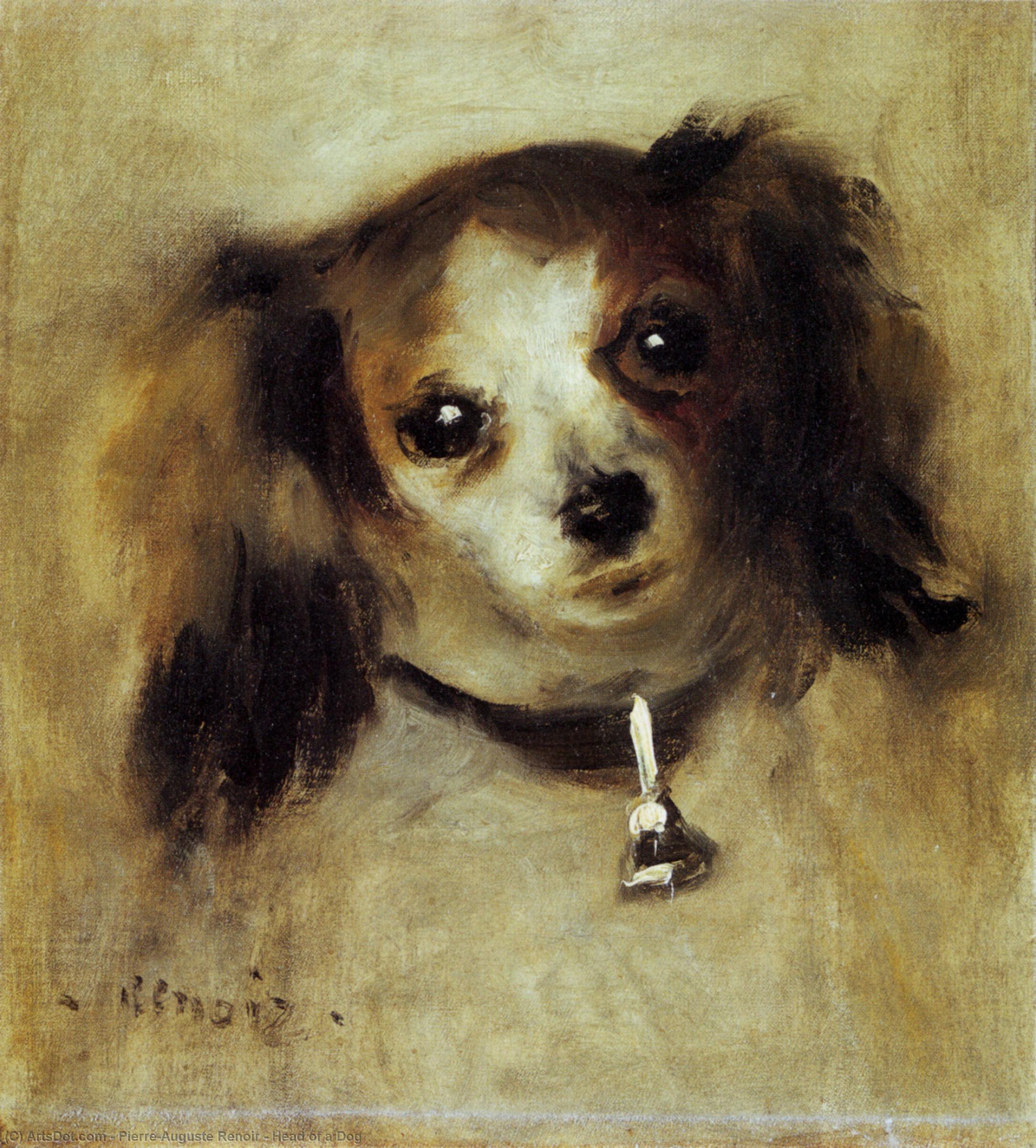
Pierre-Auguste Renoir's *Head of a Dog*, painted in 1870, offers a tender and intimate glimpse into the artist’s versatility beyond his celebrated depictions of Parisian social life. This captivating oil on canvas, currently residing at the National Gallery of Art in Washington D.C., is more than just an animal portrait; it's a study in texture, light, and quiet companionship. The painting presents a close-up view of a Cavalier King Charles Spaniel, its head turned slightly to the side, adorned with a simple collar – a detail that grounds the subject in domesticity.
Impressionistic Brushwork & Technical Mastery
Renoir’s signature Impressionistic style is beautifully evident here. Rather than striving for photographic realism, he employs loose, visible brushstrokes to capture the *essence* of the dog – its soft fur, expressive eyes, and gentle demeanor. The blurred background directs all attention to the animal's face, creating a sense of immediacy and intimacy. The artist masterfully manipulates light and shadow, using muted browns, tans, and creams to create a warm, inviting atmosphere. Notice how the paint is applied with varying thickness – from delicate washes to more impasto-like textures – adding depth and richness to the surface. This technique isn’t merely about representation; it's about conveying a *feeling* of warmth and softness.
Beyond the Portrait: Symbolism & Emotional Resonance
While seemingly simple, *Head of a Dog* resonates with deeper symbolic meaning. Dogs have long been associated with loyalty, companionship, and unconditional love – themes that likely held personal significance for Renoir. The painting’s quietude suggests a moment of peaceful contemplation, inviting the viewer to share in this intimate connection between artist and subject. It's a departure from the bustling scenes often found within Impressionism, offering instead a serene and introspective experience.
This work demonstrates Renoir’s ability to find beauty and emotional depth in everyday subjects.
Renoir Within Art History: A Versatile Master
Pierre-Auguste Renoir (1841-1919) was a central figure in the Impressionist movement, known for his depictions of light, color, and the joys of modern life. However, *Head of a Dog* reveals a different facet of his artistic talent – a capacity for quiet observation and intimate portraiture. Compared to works like *Odalisque (also known as An Algerian Woman)*, also at the National Gallery of Art, this painting showcases Renoir’s range, proving he was equally adept at capturing animal subjects with sensitivity and grace. His work bridges the gap between academic tradition and the revolutionary spirit of Impressionism.
Collecting & Interior Design Considerations
A reproduction of *Head of a Dog* would be a stunning addition to any art collection or interior space. Its warm color palette and gentle subject matter make it particularly well-suited for bedrooms, living rooms, or studies – spaces where tranquility and comfort are desired. The painting’s relatively small scale allows for versatile placement, while its Impressionistic style complements a variety of décor schemes, from traditional to contemporary.
Consider pairing this piece with other animal portraits or landscapes to create a cohesive and inviting atmosphere.
- Artist: Pierre-Auguste Renoir
- Year: 1870
- Medium: Oil on Canvas
- Location: National Gallery of Art, Washington D.C.
- Style: Impressionism
For those seeking to explore more of Renoir’s work or discover other masterpieces, resources like ArtsDot.com offer high-quality reproductions and insightful art historical information.