A Moment Suspended: Unveiling Renoir’s ‘Monsieur Fornaise’
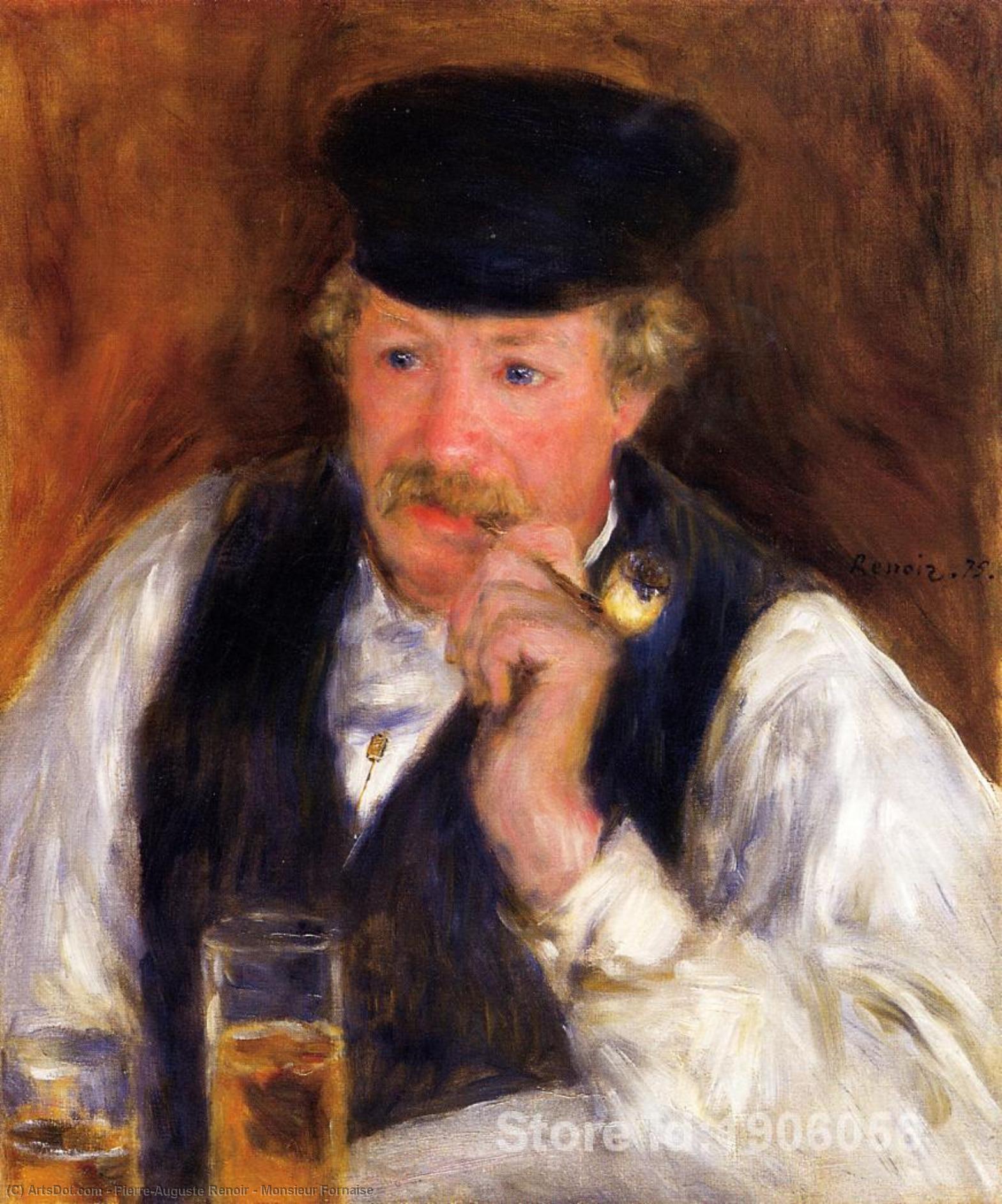
Pierre-Auguste Renoir's 1875 masterpiece, *Monsieur Fornaise*, is more than a portrait; it’s an intimate glimpse into the burgeoning world of Impressionism and a study in quiet contemplation. Currently residing at the Sterling and Francine Clark Art Institute, this oil on canvas invites viewers to share a moment with its subject – a man lost in thought, captured with Renoir's signature blend of realism and atmospheric light.
The Enigmatic Subject
Monsieur Fornaise is depicted seated at a simple table, accompanied by two glasses and cups—hints of recent or anticipated company. His downward gaze suggests an inward focus, perhaps deep reflection or private reverie. The subject’s attire – a distinguished black hat and crisp white shirt – lends him an air of understated elegance.
It is this very ambiguity that draws us in, prompting questions about his thoughts and the story behind his quietude. He isn't *doing* anything, yet he is profoundly present.
Impressionistic Technique: Capturing Fleeting Moments
Renoir masterfully balances detailed rendering with the hallmarks of Impressionism. While Monsieur Fornaise himself is painted with considerable precision, particularly in his face and clothing, the surrounding environment is treated more loosely.
This technique emphasizes the fleeting nature of light and atmosphere, creating a sense of immediacy and capturing a specific moment in time. The brushstrokes are visible, adding texture and movement to the canvas, and contributing to the overall impressionistic aesthetic. Renoir’s use of light and shadow isn't merely descriptive; it *defines* the mood, enveloping the scene in a soft, contemplative glow.
Historical Context: A Revolution in Art
Created during the height of the Impressionist movement, *Monsieur Fornaise* stands as a testament to the era’s revolutionary spirit. Artists like Claude Monet and Paul Cézanne were challenging traditional artistic conventions, focusing on capturing subjective experiences and the effects of light rather than striving for photographic realism.
- Renoir, alongside his contemporaries, embraced this new approach
- He sought to depict the beauty found in everyday life
- He aimed to capture the ephemeral qualities of modern existence.
This painting exemplifies that pursuit.
Symbolism and Emotional Resonance
The symbolism within *Monsieur Fornaise* is subtle yet potent. The pipe, a common accessory of the time, suggests relaxation and contemplation. The glasses and cups hint at social connection, even in his solitude. However, it’s the overall mood that resonates most strongly – a sense of quiet introspection, perhaps tinged with melancholy or simply peaceful reflection.
The painting doesn't tell us *what* he is thinking; it invites us to project our own emotions and experiences onto him.
A Timeless Appeal for Modern Interiors
*Monsieur Fornaise* transcends its historical context, offering a timeless aesthetic that complements a variety of interior design styles. Its warm color palette – dominated by creams, browns, and whites – lends itself well to both classic and contemporary spaces.
The painting’s contemplative mood creates a sense of serenity, making it an ideal addition to living rooms, studies, or bedrooms. A high-quality reproduction allows art lovers and designers alike to bring the beauty and emotional depth of this Impressionist masterpiece into their homes. It's a piece that encourages pause, reflection, and appreciation for the quiet moments in life.