16世紀のフランドル画家、ピーテル・ブリューゲル。農民生活や風景を独自の視点で描き出し、大胆な構図と緻密な描写で時代を彩りました。『農夫の結婚』『死の勝利』など、今日でも多くの人々に愛される傑作を残しています。
ハプスブルク家の至宝を所蔵!ラファエル、レンブラント、フェルメールの傑作からエジプト美術まで、ウィーン芸術史美術館で時を超える芸術体験を。🏛️✨
Kunsthistorisches Museum
Austria
Vienna
Kunsthistorisches Museum
Egyptian Collection
Over 500,000 objects
Art and history museum
1891
Gothic
2
What is the primary architectural style of the Kunsthistorisches Museum?
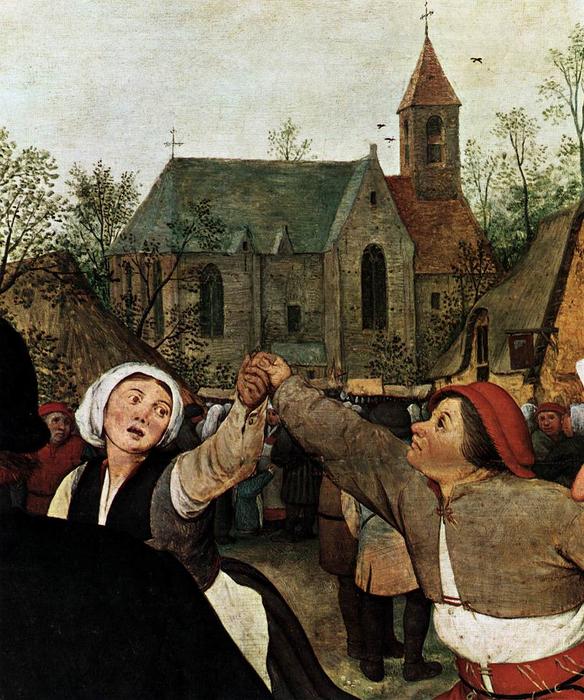
A Window into Flemish Village Life: Pieter Bruegel’s ‘The Peasant Dance’
Pieter Bruegel the Elder's “The Peasant Dance,” completed in 1567, stands as a monumental achievement of Northern Renaissance art—a captivating snapshot of everyday life rendered with unparalleled detail and imbued with profound moral contemplation. More than just a depiction of a festive occasion, this painting delves into the complexities of human behavior and societal norms within the context of Reformation-era Flanders, offering viewers an enduring glimpse into the spirit of its time.
Subject Matter and Composition
The scene unfolds in a bustling Flemish village square dominated by a prominent church steeple and cross—a visual anchor that underscores the importance of faith amidst the merriment. Approximately 13 figures populate the canvas, ranging from energetic dancers to watchful observers perched on rooftops and balconies. At the heart of the composition is a woman holding her hands aloft, embodying the central act of celebration – a gesture simultaneously joyous and slightly unsettling. Around her swirl individuals engaged in various activities: some dancing with fervor, others gossiping, and still more simply watching the spectacle unfold. Bruegel’s masterful use of perspective draws the eye inwards, creating an immersive experience for the viewer and emphasizing the immediacy of the depicted moment.
Style and Technique – Impasto and Moral Commentary
Bruegel employed a distinctive technique known as impasto—thickly applied paint—to achieve remarkable textural richness and luminosity. This method is particularly evident in the faces of the figures, conveying emotion with palpable intensity. The artist’s meticulous attention to detail extends beyond mere representation; he subtly incorporates moral commentary into the scene. Voyeurism is skillfully portrayed – individuals peering from windows and balconies observe the dance, highlighting a preoccupation with social observation and judgment. This technique wasn't merely about capturing visual accuracy; it served as a vehicle for conveying Bruegel’s humanist worldview—a belief in the importance of understanding human nature and its vulnerabilities.
Historical Context: Reformation and Societal Observation
“The Peasant Dance” emerged during a period marked by significant religious upheaval following Martin Luther's challenge to papal authority. The Protestant Reformation profoundly impacted artistic sensibilities, fostering a critical engagement with societal values and traditions. Bruegel’s painting reflects this intellectual climate, prompting viewers to consider questions of morality and social responsibility. Unlike idealized depictions prevalent in the High Renaissance, Bruegel presents an unflinching portrayal of human behavior—warts and all—demonstrating a humanist fascination with capturing the complexities of everyday life.
Symbolism: Faith, Observation, and Human Nature
The church steeple serves as a symbol of religious piety, juxtaposed against the lively activity of the village square. The woman’s gesture represents both celebration and potential indulgence – a reminder that even amidst joyous festivities, individuals must grapple with ethical considerations. Bruegel's masterful depiction captures the essence of human nature—its capacity for joy, folly, and moral contemplation—making “The Peasant Dance” an enduring testament to the humanist spirit of its era.
Emotional Impact: A Moment Frozen in Time
Ultimately, “The Peasant Dance” transcends mere visual representation; it evokes a powerful emotional response. The painting’s vibrant colors and textured surfaces transport viewers back to 16th-century Flanders, immersing them in the atmosphere of a bustling village celebration. More importantly, Bruegel compels us to confront fundamental questions about human behavior and societal values—a challenge that continues to resonate with audiences today. It remains an unforgettable artwork, capturing not only a specific moment in time but also the enduring complexities of the human condition.