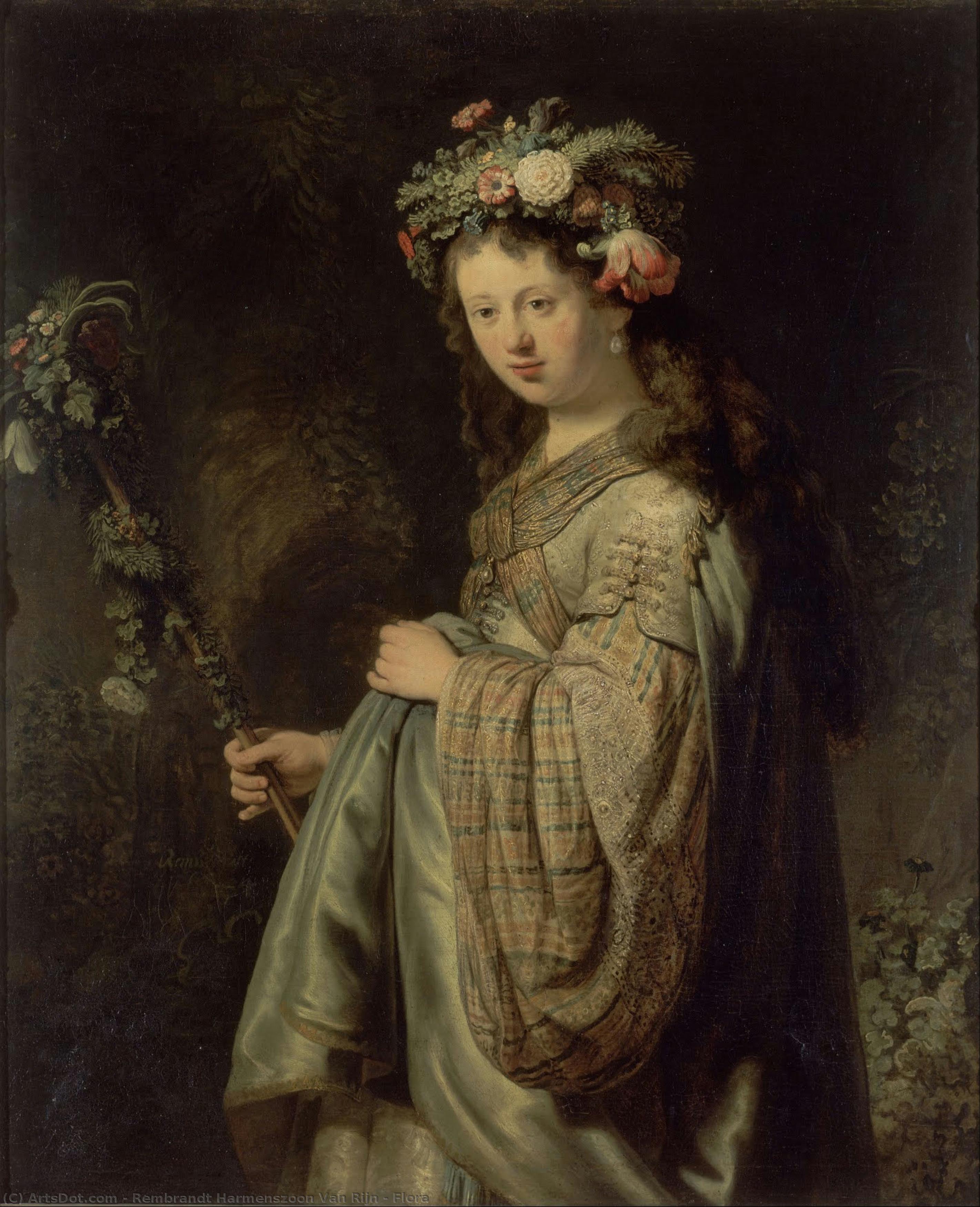
レンブラントの『フローラ』は、1634年に描かれた見事なキアロスクーロ(明暗法)を用いた肖像画で、サスキア・ファン・アイレンブルフをギリシャの春の女神として捉えています。愛と美を描いたこのオランダ黄金時代の傑作は、レンブラントの芸術的ビジョンを時代を超えて伝えます。あなた自身の感性でその魅力を見つけてください。
光と影の魔術師、レンブラント・ファン・レイン!「夜警」や自画像など、バロック美術の傑作を堪能。オランダ黄金時代の精神を体現する芸術家です。
エルミタージュ美術館
(Saint Petersburg, Russia)
エルミタージュ美術館
ロシア
ミハイル・ピオトロフスキー
サンクトペテルブルク
エルミタージュ美術館
ルネサンス絵画
年間281万2913人(2022年)
300万点以上
芸術と文化
1764年
サンクトペテルブルクのエルミタージュ美術館へ!ルネサンスから現代まで、息をのむような名作が歴史的な宮殿に展示。芸術と文化の旅に出かけましょう。
A Portrait Steeped in Springtime Reverie: Rembrandt’s Flora
Rembrandt Harmenszoon van Rijn's "Flora," painted in 1634, stands as a testament to the artist’s masterful blend of pastoral beauty and historical grandeur—a captivating glimpse into the heart of his marriage to Saskia van Uylenburgh. More than just a portrait, it’s an exploration of love, admiration, and the transformative power of artistic vision, capturing a moment frozen in time with unparalleled sensitivity.
The Subject: Saskia's Divine Bloom
The central figure is Saskia van Uylenburgh, Rembrandt’s beloved wife, depicted as Flora—the Greek goddess of spring and flowers—a deliberate choice reflecting Rembrandt’s profound affection for her. This wasn’t merely a fashionable pose; it was an embodiment of Saskia herself – radiant, youthful, and brimming with vitality. The artist skillfully transformed her into a symbol of renewal and blossoming beauty, mirroring the burgeoning romance that defined their early years together. Her gaze directs outwards, hinting at contemplation and perhaps a subtle invitation to engage with the viewer—a connection forged through shared artistic appreciation.
Style & Technique: Mastering Light and Shadow
Rembrandt’s signature technique – chiaroscuro – dominates “Flora,” creating an illusionistic depth that draws the eye into Saskia's serene countenance. Layers of light illuminate her face and dress, contrasting sharply with darker tones that define the background foliage. This dramatic interplay of light and shadow isn’t merely stylistic ornamentation; it serves to convey emotion—a quiet dignity mingled with tenderness. Rembrandt meticulously rendered every detail, from the delicate folds of Saskia's gown to the intricate arrangement of flowers adorning her hair, demonstrating an unwavering commitment to realism combined with artistic expression. The artist utilized oil paint on canvas, a medium favored during the Dutch Golden Age for its ability to achieve luminous effects and preserve textures with remarkable accuracy.
Historical Context: Marriage as Inspiration
Painted shortly after their wedding in 1634, “Flora” encapsulates the spirit of the era—a period marked by intellectual curiosity, artistic innovation, and a fascination with classical mythology. Rembrandt’s decision to portray Saskia as Flora speaks volumes about his worldview; he saw beauty not only in the natural world but also in human relationships, elevating their union into an idealized emblem of springtime joy. The painting reflects the prevailing humanist ideals of the time, emphasizing the importance of individual experience and emotional truth—values that resonated deeply with Rembrandt’s artistic sensibilities.
Symbolism: Flowers as Expressions of Love
The flowers woven into Saskia's hair are laden with symbolic significance. Lilacs, roses, tulips – each flower represents different facets of love and beauty. Their presence underscores Rembrandt’s desire to convey the depth of his feelings for Saskia, transforming her appearance into a visual declaration of devotion. The artist skillfully utilized floral imagery to communicate an unspoken emotion—a celebration of their blossoming romance and a testament to the enduring power of artistic inspiration.
Emotional Impact: A Window Into Rembrandt's Soul
“Flora” transcends mere representation; it captures a moment of profound intimacy—a glimpse into Rembrandt’s soul as he gazed upon his beloved wife. The painting evokes feelings of serenity, grace, and quiet contemplation, inviting viewers to appreciate the beauty of human connection and the transformative potential of artistic vision. It remains a poignant reminder that art can illuminate not only the visual world but also the innermost recesses of human emotion—a legacy that continues to inspire admiration and wonder centuries later.