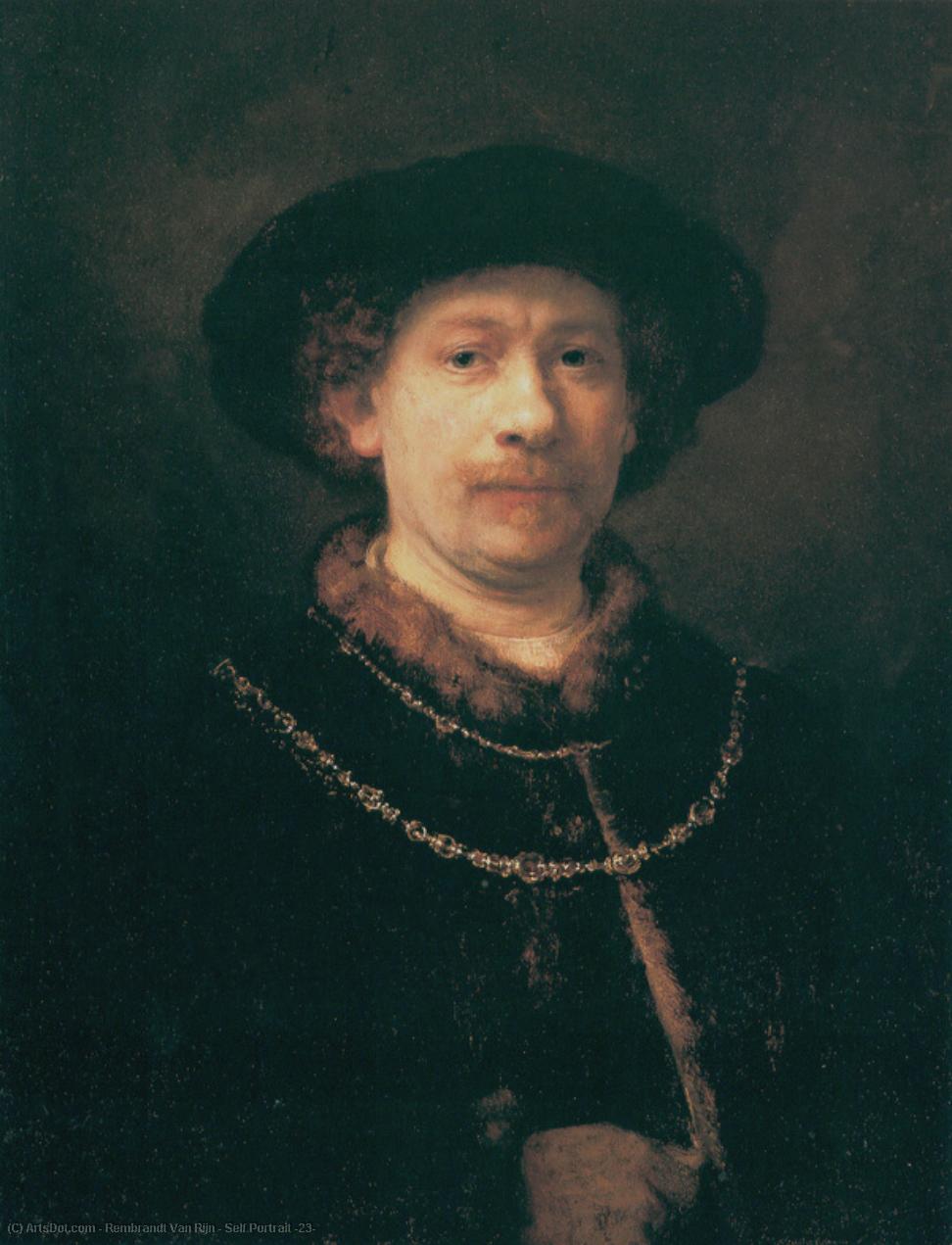
Rembrandt's "Self Portrait (23)" captures his inner world with masterful chiaroscuro and explores themes of identity and introspection—a cornerstone of Dutch Golden Age art.
光と影の魔術師、レンブラント・ファン・レイン!「夜警」や自画像など、バロック美術の傑作を堪能。オランダ黄金時代の精神を体現する芸術家です。
プラド美術館
(マドリード, スペイン)
スペインのマドリードで感動的なヨーロッパ美術体験!ゴヤやレンボーなどの傑作を美しい宮殿の中で堪能しましょう。プラド美術館とレオナ・ソフィア美術館との連携も魅力。
テイスセンボーンミゼーザミュージアム マドリード スペイン エルペサコ ピカソ ゴヤ 美術館 宮殿 コレクション 美術史 絵画
テイスセン ボーンミゼーザ国立美術館 テイスセン ミュージアム プラド美術館 レオナ ソフィア 美術館
スペイン
マニュエラ リジャルスヴェルド
マドリード
テイスセンボーンミゼーザ国立美術館
初期ルネサンス
25万人
3,700作品
美術館
1992
Rembrandt’s Self Portrait (1642): A Window Into Artistic Soul
Rembrandt Harmenszoon van Rijn, arguably the most celebrated artist of the Dutch Golden Age, left an indelible mark on the world of art with his captivating self-portraits. Among these, *Self Portrait (23)*, created in 1642, stands out as a testament to his mastery of light and shadow, as well as his profound introspection—a work that continues to resonate powerfully with audiences centuries later. This painting isn’t merely an image; it's a meticulously crafted exploration of identity, emotion, and the artist’s relationship with his own creative process.
The Painting: Composition and Technique
Measuring 72 x 53 cm, *Self Portrait (23)* is housed at the Thyssen-Bornemisza Museum in Madrid, Spain. The museum's impressive collection of European art from the Renaissance to the late 19th century provides an ideal backdrop for appreciating this iconic masterpiece. Rembrandt employed a technique known as chiaroscuro—the dramatic interplay between light and dark—to achieve unparalleled realism and psychological depth. Notice how the soft illumination highlights his face, emphasizing wrinkles and contours while plunging the background into deep shadow, creating a palpable sense of drama and conveying a feeling of solitude. The artist’s gaze is direct, unflinching, capturing an expression of melancholy that speaks volumes about the anxieties inherent in artistic endeavor during this turbulent period.
Artistic Significance: Symbolism and Context
The painting's symbolism is rich and multilayered. Rembrandt depicted himself wearing a dark robe adorned with a crimson sash—a deliberate choice reflecting both his social status as a respected portraitist and hinting at themes of mortality and spiritual contemplation. The inclusion of a feathered cap, meticulously rendered in detail, adds to the visual complexity and underscores the artist’s preoccupation with appearance and perception. Created during a time marked by personal hardship – Rembrandt faced financial difficulties and endured the loss of his wife—the painting is interpreted as an honest reflection of inner turmoil and resilience. It's considered one of Rembrandt’s most psychologically astute works, demonstrating his ability to convey profound emotion through subtle visual cues.
Historical Context: The Dutch Golden Age
The Thyssen-Bornemisza Museum sits within the “Golden Triangle of Art” in Madrid—alongside the Prado Museum and the Reina Sofia Museum—a triumvirate dedicated to showcasing European artistic heritage. Rembrandt’s oeuvre embodies the spirit of this era, characterized by intellectual curiosity, artistic innovation, and a burgeoning interest in humanist ideals. His work stands apart from many other artists of his time due to its unflinching honesty and psychological insight—qualities that continue to captivate viewers today. The painting's enduring appeal stems not only from Rembrandt’s technical brilliance but also from its ability to tap into universal themes of human experience.
Relevance in Modern Times: Art Restitution and Legacy
The ongoing debate surrounding art restitution—particularly concerning artworks looted during the Nazi era—highlights the complexities of cultural heritage and ethical responsibility. The “List of Claims for Restitution for Nazi-looted Art” underscores the importance of acknowledging historical injustices and advocating for the rightful return of cultural treasures to their original owners. Rembrandt’s *Self Portrait (23)* serves as a poignant reminder of the artist's life, his struggles, and his unwavering commitment to artistic truth—a legacy that continues to inspire artists and scholars alike. It remains a cornerstone of Western art history, prompting ongoing discussion about representation, emotion, and the enduring power of visual storytelling.