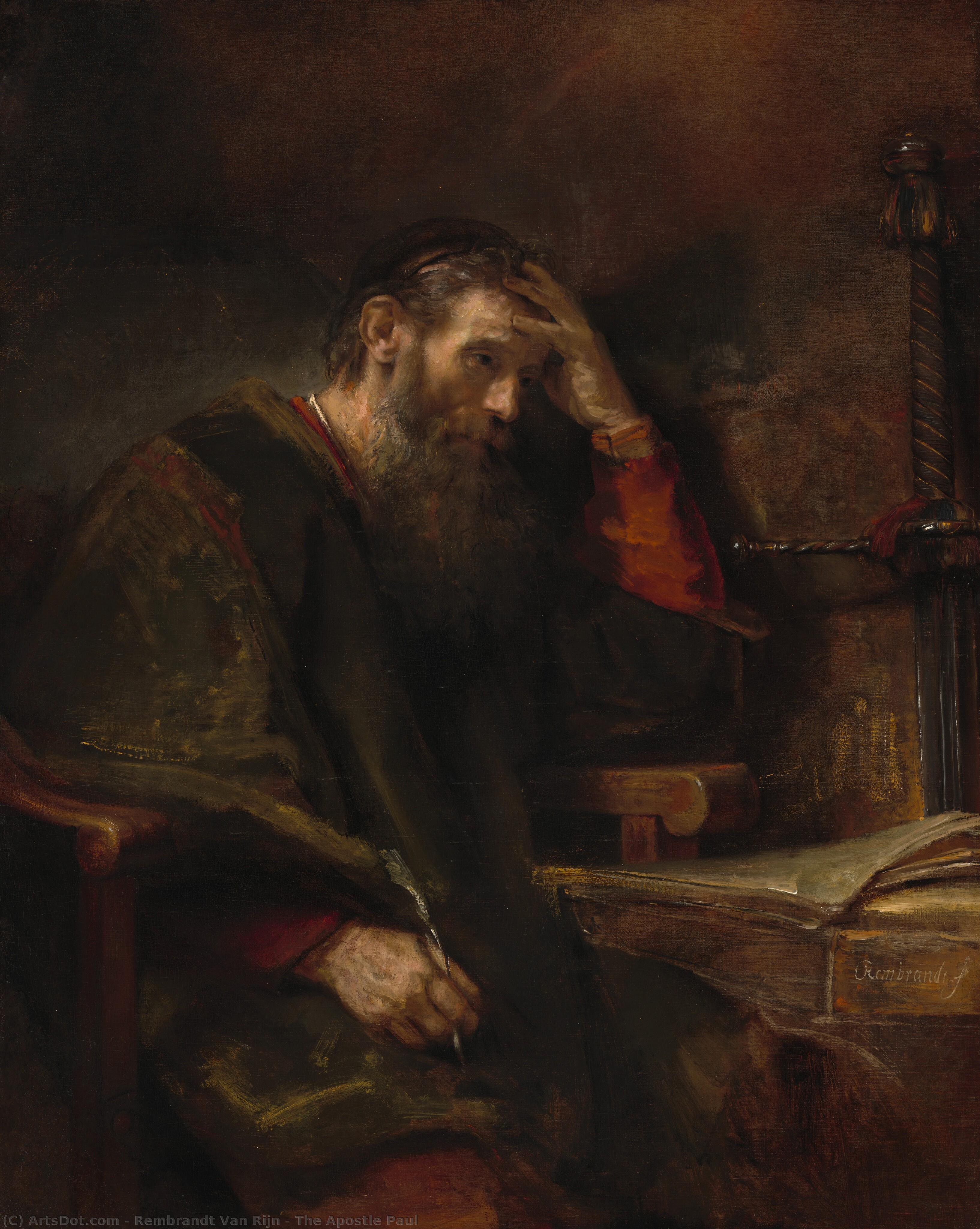
Experience the profound introspection of Rembrandt van Rijn's The Apostle Paul, a 1657 masterpiece of dramatic chiaroscuro and spiritual depth that invites you to bring this Dutch Golden Age icon into your collection.
光と影の魔術師、レンブラント・ファン・レイン!「夜警」や自画像など、バロック美術の傑作を堪能。オランダ黄金時代の精神を体現する芸術家です。
A Portrait Steeped in Reflection: Rembrandt’s Apostle Paul
This monumental oil painting by Rembrandt van Rijn, completed in 1657, transcends mere representation; it embodies the profound contemplation characteristic of the Dutch Golden Age and offers a captivating glimpse into the inner life of one of Christianity's most revered figures. Measuring 178 x 151 cm, “The Apostle Paul” isn’t simply a depiction of Saint Paul seated at his desk—it’s an exploration of intellect, faith, and the burdens of spiritual leadership.
Style and Technique: Mastery of Light and Shadow
Rembrandt's signature style – characterized by dramatic chiaroscuro – dominates this artwork. The artist skillfully employs light to sculpt form, highlighting Paul’s face and torso with luminous patches while enveloping the background in deep shadows. This technique isn’t merely aesthetically pleasing; it serves a crucial narrative purpose. The stark contrasts amplify the apostle's solemn expression and convey a sense of introspection, mirroring the psychological depth Rembrandt sought to achieve in his portraits. Notice how the light catches on Paul’s collar and quill, drawing our eye upwards and emphasizing the importance of contemplation. Brushstrokes are visible throughout the canvas, particularly in the brighter areas, demonstrating Rembrandt’s meticulous attention to detail and conveying a palpable immediacy.
Historical Context: The Reformation's Legacy
Painted during the waning years of Rembrandt’s prolific career, “The Apostle Paul” reflects the anxieties and intellectual ferment of the time—the aftermath of the Protestant Reformation. Saint Paul, considered the apostle to the Gentiles, was a pivotal figure in establishing Christianity outside Judea, representing resilience, unwavering conviction, and the pursuit of spiritual enlightenment. The inclusion of the sword symbolizes strength and righteousness, yet its placement against the wall suggests vulnerability and perhaps even disillusionment—themes prevalent in humanist thought during Rembrandt’s era.
Symbolism: Inner Turmoil and Quiet Resolve
Beyond its technical brilliance, “The Apostle Paul” is laden with symbolic significance. The apostle's posture – slumped slightly, head bowed – speaks to the psychological strain of his mission. He wrestles with doubt and strives for clarity amidst the complexities of faith. The desk piled with parchment represents scholarly pursuits and intellectual engagement—a testament to Paul’s dedication to disseminating Christian teachings. Even the humble clothing—brown robe beneath a rust-red garment—suggests modesty and piety, aligning with the moral values championed by Rembrandt's contemporaries.
Emotional Impact: A Window into Human Consciousness
Ultimately, “The Apostle Paul” succeeds in capturing the essence of human consciousness – the quiet struggle for understanding, the yearning for solace, and the unwavering commitment to one’s beliefs. Rembrandt invites us to contemplate alongside Paul, fostering a connection with this iconic figure and prompting reflection on our own inner landscapes. It remains an enduring masterpiece, resonating with viewers centuries later as a powerful embodiment of artistic innovation and psychological insight.