A Descent Into Dreamlike Reality
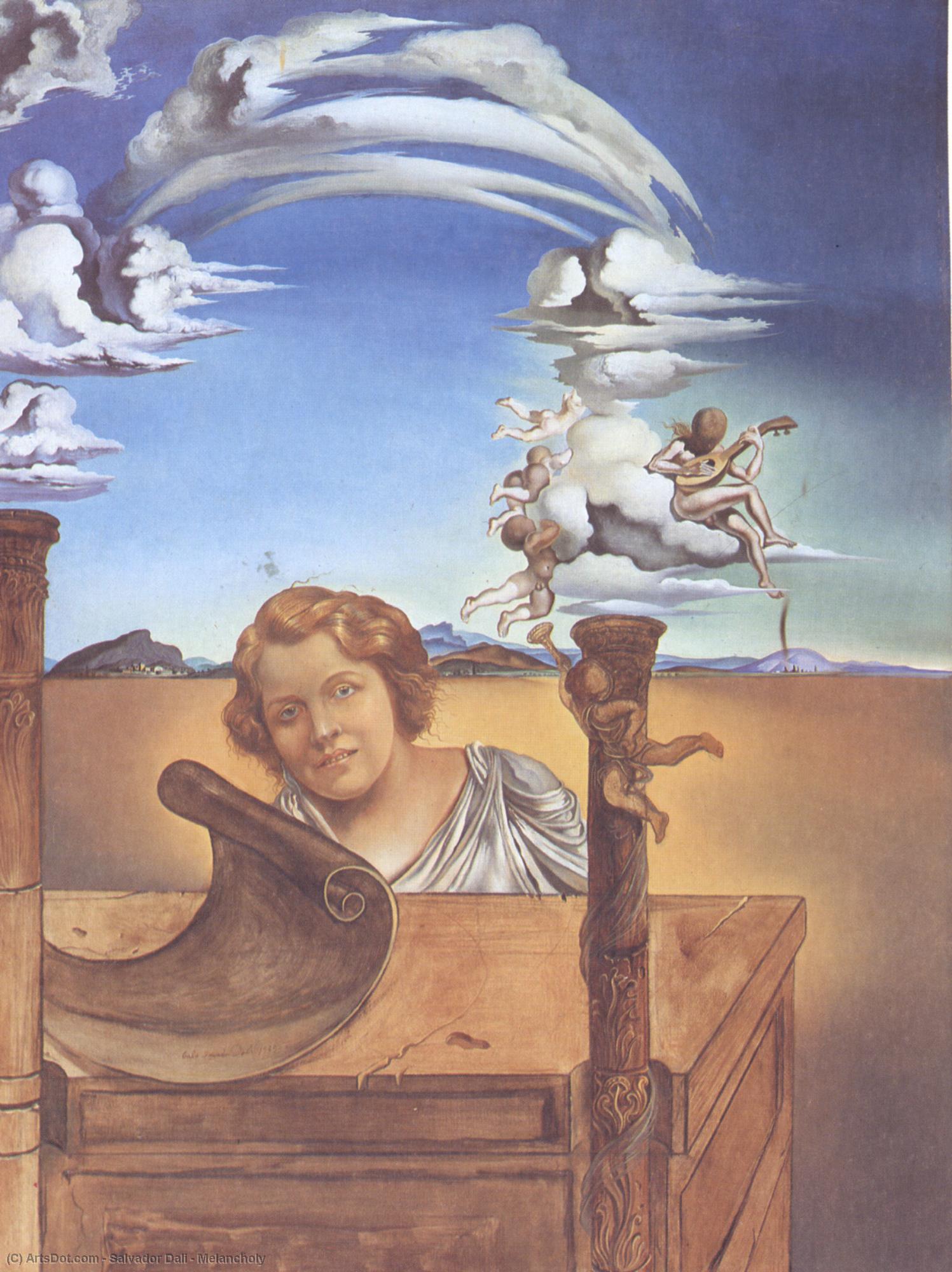
In the vast, labyrinthine gallery of the human subconscious, few works resonate with as much haunting beauty as Salvador Dalí’s 1942 masterpiece, Melancholy. This painting serves as a quintessential emblem of Surrealism, acting as a visual manifestation of a mind liberated from the rigid constraints of rational thought. To observe this artwork is not merely to look upon a canvas, but to embark on an experience where logic yields to fantasy and deep-seated anxieties surface beneath a veneer of unsettling elegance. Dalí invites us into a realm where the boundaries between the tangible world and the ethereal dreamscape dissolve, creating a profound sense of introspection that continues to captivate collectors and art enthusiasts alike.
The technical execution of Melancholy is nothing short of masterful, showcasing Dalí’s signature ability to marry meticulous realism with bizarre, dreamlike distortions. Using oil on canvas, the artist employs a painstaking precision that renders even the most fantastical elements with an astonishing level of detail. This hyper-realistic technique lends a deceptive sense of solidity to the scene; the figures—ranging from angels to enigmatic human forms—possess a weight and presence that make the impossible feel disturbingly believable. There is a deliberate, unsettling stillness within the composition; despite the various characters scattered throughout the landscape, there is no perceptible movement. This frozen quality reinforces the pervasive atmosphere of melancholy, suggesting a moment in time where the clock has ceased to tick, and the soul is suspended in eternal contemplation.
Symbolism and the Shadow of History
To understand the emotional depth of this piece, one must consider the turbulent era in which it was birthed. Painted during the height of World War II, Melancholy reflects a world gripped by fear, uncertainty, and profound psychological upheaval. As the horrors of global conflict unfolded, Surrealism emerged as a vital form of resistance—an escape into the imagination to combat oppressive realities. Dalí himself was navigating a sea of personal shadows, wrestling with the loss of his brother and the complexities of his own identity, all of which find expression in the painting’s somber mood. The artwork becomes a mirror for the broader cultural preoccupation with confronting the irrational and the fragmented nature of existence during times of crisis.
The symbolism within the frame is a complex puzzle designed to provoke deep thought. A woman sits cradled in a box, her head resting heavily upon a hammer, an image that evokes both vulnerability and the weight of heavy thoughts. Nearby, a clock rests on the right side of the scene, a recurring Dalinian motif that hints at the fluidity and decay of time. The presence of a vase in the lower corner and the swirling, upward-spiraling clouds populated by disembodied figures create a sense of cosmic movement within a static world. For the interior designer or the discerning collector, this painting offers more than just aesthetic value; it provides a profound narrative anchor for a space, inviting conversation about the mysteries of the mind and the enduring beauty found within our most somber reflections.