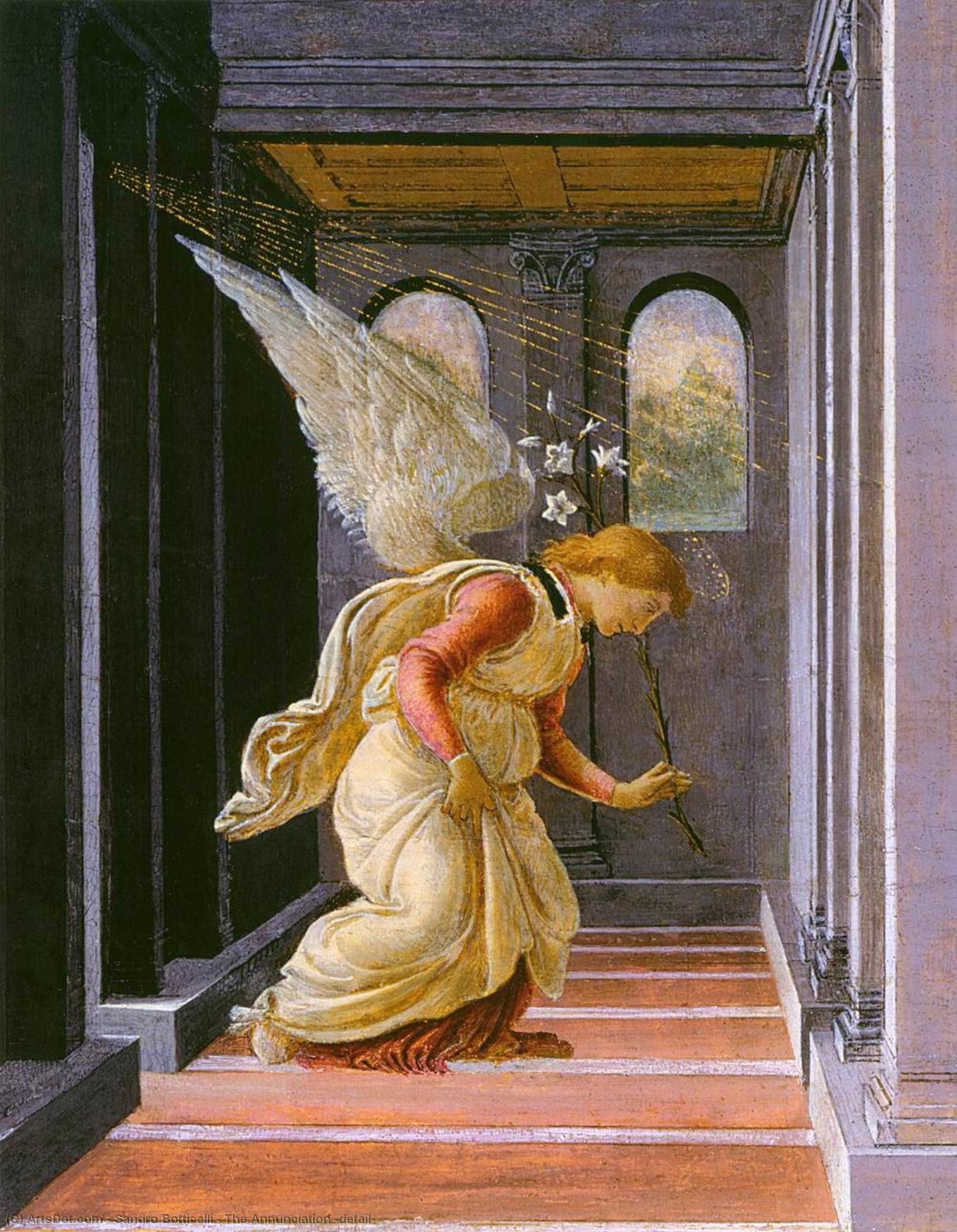
ボッティチェリの『チェステッロの受胎告知』(1489年)は、穏やかなフィレンツェの風景の中で神聖な恩寵と遠近法を見事に表現した初期ルネサンスの傑作です。その豊かな象徴性と芸術的な重要性を探求しましょう。
フィレンツェ
イタリア
サンドロ・ボッティチェリ
アレッサンドロ・ディ・マリアーノ・フィリペピ
ルネサンス期の巨匠ボッティチェリ。代表作「ヴィーナスの誕生」や「春」は、優美な線描と神話的世界観が魅力。初期ルネサンス美術を象徴する芸術家として、今もなお多くの人々を魅了し続けています。
初期ルネサンス
プレラファエリスム協会
フラ・アンジェリコ
1445年頃
1510年
アレッサンドロ・ディ・マリアーノ・フィリペピ
イタリア人
ヴィーナスの誕生
イタリア、フィレンツェ
ローマ
3
サンドロ・ボッティチェリは、どのイタリアの都市で生まれましたか?
メトロポリタン美術館
(New York, United States of America)
5千年の芸術と文化を体験!メトロポリタン美術館で、古代エジプトの遺産からルネサンス絵画まで、世界中の至宝を発見。ニューヨークの象徴的な美術館へ。
(229文字)
A Moment of Divine Revelation: Botticelli’s ‘The Annunciation’
Botticelli's 'The Annunciation,' painted around 1485, stands as a cornerstone of Early Renaissance art—a testament to Florence’s burgeoning artistic spirit and the humanist ideals that championed beauty and contemplation. More than just a depiction of biblical narrative, it embodies an exquisite fusion of observation and imagination, reflecting Botticelli's mastery of perspective and his profound understanding of human emotion. The painting resides within the Palazzo Barberini in Rome, originally commissioned by Cardinal Giovanni Cesarini, showcasing its enduring appeal across centuries.
The Composition: Harmony and Symbolism
At first glance, ‘The Annunciation’ presents a serene tableau—a courtyard bathed in soft light, punctuated by a grand staircase ascending towards an unseen upper level. This architectural backdrop serves not merely as setting but as a deliberate structuring device, guiding the viewer's gaze toward the central figures: Mary kneeling humbly before Gabriel, who gestures with graceful precision towards a lily held aloft. Botticelli’s meticulous attention to detail is evident in every brushstroke—the folds of Mary’s robe rendered with astonishing realism, mirroring the drapery of the staircase and emphasizing the sense of depth achieved through innovative linear perspective.
Technique: Tempera on Panel – A Delicate Dance of Color
Botticelli employed tempera paint on a wooden panel—a technique favored during this period for its luminosity and durability. Unlike oil paints, tempera dries quickly, allowing for precise layering and blending—characteristics that are particularly noticeable in the subtle gradations of color used to depict Mary’s skin tone and Gabriel's robe. The artist skillfully utilized glazing techniques, applying thin translucent layers of pigment over underlying colors to create a shimmering effect and heighten the vibrancy of the palette. This careful approach underscores Botticelli’s dedication to capturing not just visual accuracy but also conveying an atmosphere of ethereal beauty.
Historical Context: Renaissance Florence – Faith and Artistic Flourishing
‘The Annunciation’ emerged during a period of immense artistic innovation in Florence—a time when humanist scholars championed classical ideals alongside religious fervor. The Medici family, influential patrons of the arts, actively fostered creativity and supported artists like Botticelli who sought to elevate art beyond mere decoration. The painting reflects this cultural climate by portraying Mary as a virtuous woman embodying piety and grace—a figure central to Christian iconography and symbolizing divine motherhood. Its commission coincided with a broader movement toward celebrating human dignity and intellectual curiosity—values that resonated deeply within the humanist worldview of the Renaissance.
Symbolism: The Lily – A Sign of Virginity
The lily held by Gabriel is laden with symbolic significance—representing purity, innocence, and divine grace. This flower was frequently used in depictions of Mary throughout the medieval period and continued to hold its revered status during Botticelli’s time. Its placement directly above Mary's head reinforces the central theme of the painting: the incarnation of Christ—the blossoming of God’s love for humanity. The courtyard setting itself symbolizes paradise, suggesting that this moment of divine revelation occurs in a space consecrated by holiness and beauty.
Emotional Impact: Reverence and Devotion
Botticelli’s ‘The Annunciation’ transcends mere visual representation; it communicates profound emotional resonance—inspiring contemplation on themes of faith, humility, and grace. The artist's masterful portrayal of Mary’s expression conveys unwavering devotion—her gaze fixed upon the lily as if absorbing its radiant luminescence. Similarly, Gabriel’s gesture embodies assurance and benevolence—a messenger delivering God’s divine plan with solemn dignity. Ultimately, ‘The Annunciation’ remains a timeless masterpiece that captures the essence of Renaissance spirituality and continues to captivate audiences worldwide.