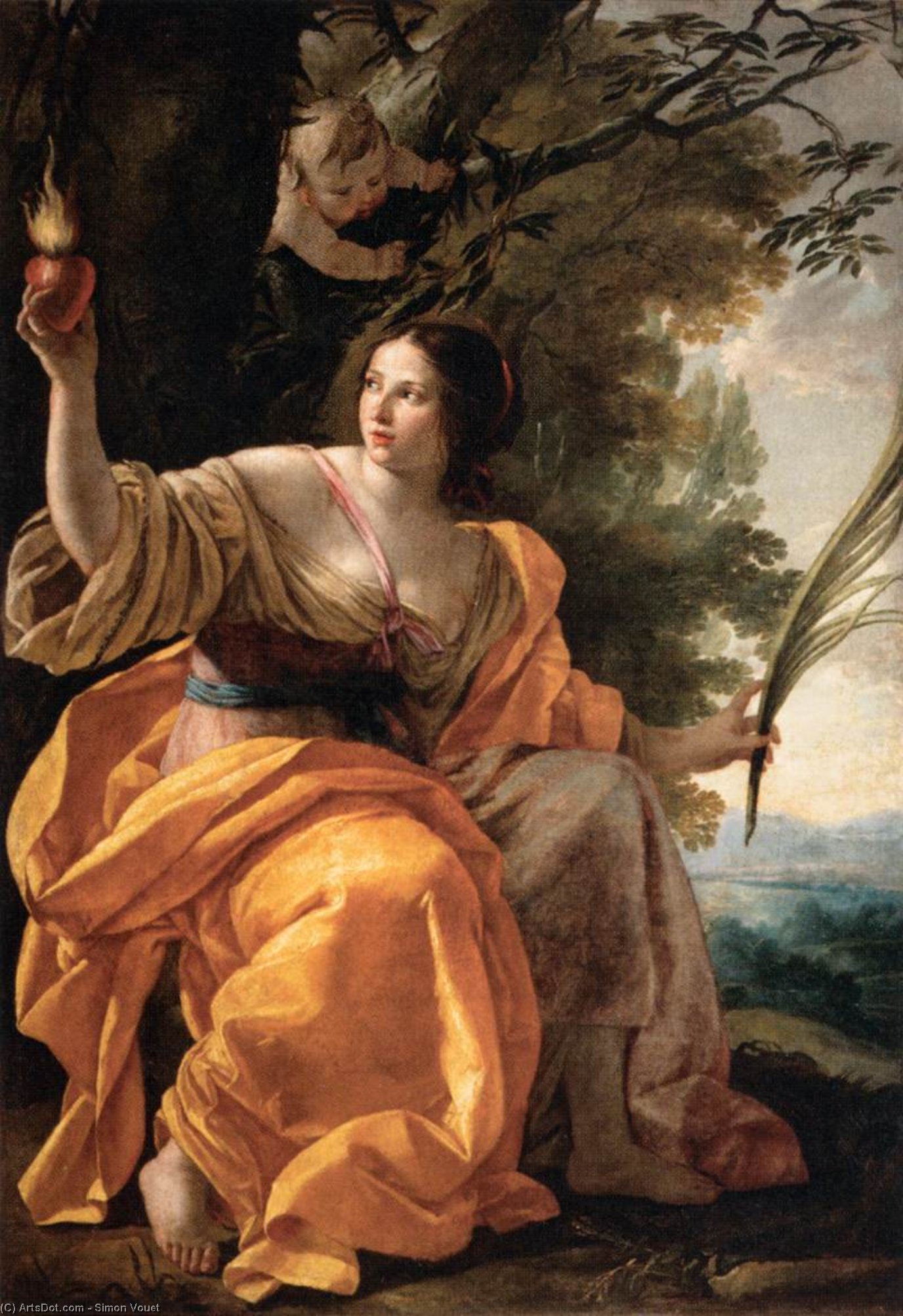
Magnificent 1640 painting by Simon Vouet! 'Heavenly Charity' showcases a stunning portrait of a woman in exquisite detail. Hand-painted reproduction available.
シモン・ヴーエ(1590-1649)の生涯と芸術を探る。彼はイタリア様式を導入し、17世紀フランス美術を形作った重要なバロック画家でした。
Paris
France
パリのルーブル美術館を探索!モナ・リザやミロのヴィーナスなど、古代エジプトからルネサンス期の傑作まで。訪問計画はこちら。
The Louvre
Musée du Louvre
France
Paris
Louvre Museum
Mona Lisa
8.7 million (2024)
380,000+ objects
Art museum
1793
A royal residence
3
Originally, what was the Louvre primarily built as?
A Beacon of Baroque Virtue: Simon Vouet’s Heavenly Charity
Simon Vouet's "Heavenly Charity," completed around 1640, stands as a cornerstone of French Baroque painting—a testament to Louis XIII’s patronage and the burgeoning influence of Italian artistic ideals. More than just a portrait, it’s an elaborate allegory designed to convey profound spiritual truths, skillfully executed by Vouet's studio in Paris. This magnificent canvas captures a woman bathed in golden light, embodying Christian compassion amidst a serene landscape—a scene brimming with symbolic resonance that continues to captivate viewers today.
The Artist and His Context
Born in 1590, Simon Vouet emerged from a family steeped in artistic tradition – his father Laurent was a painter himself, establishing Vouet’s early exposure to the visual arts. Recognizing his prodigious talent, Vouet embarked on an ambitious journey to Rome at the age of twenty-two, immersing himself in the vibrant atmosphere of the papal court and absorbing the stylistic innovations championed by artists like Caravaggio and Guido Reni. This formative experience profoundly shaped Vouet's artistic vision, propelling him toward a style characterized by dramatic chiaroscuro—the masterful interplay of light and shadow—and an unwavering commitment to realism infused with idealized beauty. Returning to Paris in 1635, Vouet swiftly ascended to prominence as Louis XIII’s premier painter, overseeing monumental decorative schemes for the royal palace and securing commissions that solidified his reputation as France's foremost Baroque artist.
A Symphony of Symbolism: Decoding the Imagery
The painting depicts a woman seated beneath a blossoming tree—a deliberate choice reflecting biblical imagery associated with Paradise and divine grace. Her hand holds an apple and a banana, representing earthly nourishment and fulfillment alongside spiritual contemplation. The woman’s dress is adorned in rich yellow hues, symbolizing illumination and holiness – a color favored by artists during the Counter-Reformation to convey piety and virtue. Notably, a bird perched atop the tree symbolizes hope and divine providence—a subtle reminder of God's watchful care over humanity.
Technique and Artistic Mastery
Vouet’s meticulous technique exemplifies the Baroque ideal of illusionistic painting. The artist employed oil paints on canvas with painstaking detail, layering translucent glazes to achieve a luminous surface that captures the subtleties of light and texture. Observe how Vouet skillfully renders the drapery—flowing and voluminous—creating an impression of movement and grandeur. Furthermore, the artist’s masterful use of chiaroscuro enhances the dramatic impact of the composition, emphasizing the woman's serene countenance and highlighting the radiant heart held aloft—a visual embodiment of compassion and divine love.
Legacy and Emotional Resonance
“Heavenly Charity” transcends mere representation; it aspires to elevate the viewer spiritually. Vouet’s depiction of virtue—embodied in the woman’s posture, gaze, and attire—resonates with the moral concerns prevalent during Louis XIII's reign. The painting serves as a powerful reminder of Christian ideals – compassion, humility, and faith – inviting contemplation on themes of divine grace and human responsibility. Its enduring beauty continues to inspire artists and collectors alike, cementing Vouet’s place among the titans of French Baroque art.