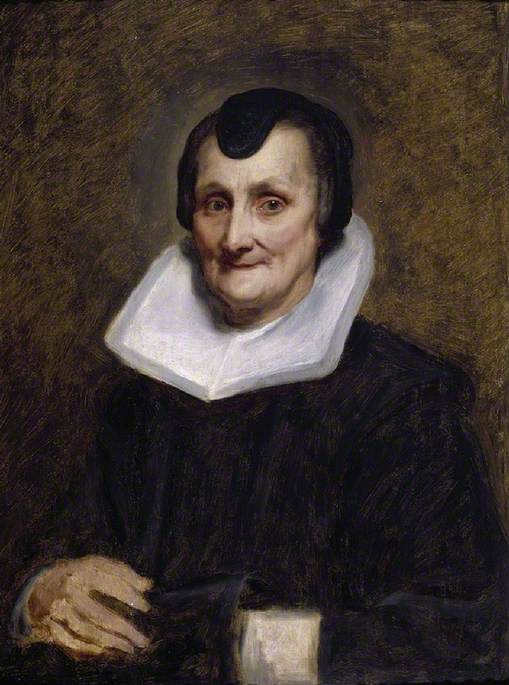
Admire Anthony van Dyck’s ‘An Old Woman,’ a 1620 oil painting showcasing realistic portraiture & dramatic lighting. Explore its rich textures, symbolic dignity, and timeless elegance.
「アントニオ・ファン・ダイク」は、ルーベンスの影響を受けながら独自の洗練されたスタイルでヨーロッパ貴族の肖像画を制作したフランドルのバロック画家。特にチャールズ1世の宮廷画家として活躍し、英語美術に大きな影響を与えました。彼の作品は優雅さと繊細さで知られ、現代でも多くの人々を魅了しています。
フィッツウィリアム美術館は、エジプト美術から現代美術まで幅広いコレクションを誇るイギリスの芸術と歴史の中心です。入場無料で世界クラスの芸術体験をお届け!
フィッツウィリアム美術館、ケンブリッジ、イギリス、美術史、エジプト美術、ルネサンス絵画、イギリス美術、建築、彫刻、装飾美術、中世美術、印象派、ルーヴル美術館、レンブラント、モナート
フィッツウィリアム美術館、ケンブリッジ大学博物館
イギリス
ケンブリッジ
フィッツウィリアム美術館
エジプト美術品」「オールドマスター絵画」「装飾美術」「文献
広大なコレクション
芸術と考古学博物館
1869
エジプト美術品のみに特化している。
1
フィッツウィリアム美術館のコレクションの中心は次のうちどれですか?
A Portrait of Dignity: Exploring Anthony van Dyck’s ‘An Old Woman’
Sir Anthony van Dyck, a luminary of the Baroque era (1599-1641), stands as one of the most celebrated portraitists of his time. His artistic legacy extends far beyond mere likeness; he captured an essence of nobility and contemplative grace that continues to resonate with audiences today. Born in Antwerp, Belgium, van Dyck’s early training under Hendrick van Balen instilled him with a foundational understanding of Flemish painting traditions – yet it was his collaboration with Peter Paul Rubens that truly propelled him toward artistic greatness. Rubens' influence is palpable in van Dyck’s dynamic compositions and masterful manipulation of light, shaping the artist’s distinctive style.
The Composition and Technique: A Symphony of Light and Texture
‘An Old Woman,’ painted circa 1620, exemplifies van Dyck’s signature approach to portraiture. The artwork centers on a seated female figure bathed in dramatic chiaroscuro – a technique perfected by Rubens – where strong contrasts between light and shadow sculpt the face and torso with remarkable precision. Visible brushstrokes create an opulent tapestry of texture, layering oil paint to build up depth and volume. Notice particularly the delicate rendering of drapery and skin; van Dyck achieved this luminous effect through glazing—applying thin translucent layers of pigment over underlying colors—resulting in a breathtaking sense of realism. The dark background serves as a crucial element, isolating the subject and directing the viewer’s gaze toward her serene countenance. Perspective is skillfully employed, drawing the eye inward towards the central figure while maintaining a harmonious balance within the frame.
Historical Context: Royal Patronage and Baroque Ideals
‘An Old Woman’ was commissioned during van Dyck's prolific period serving Charles I of England—a testament to his renown as a court painter. The Baroque era, characterized by grandeur, emotion, and theatricality, sought to convey spiritual fervor and aristocratic prestige. Portraits like this were intended not merely to depict an individual but to communicate their status and virtue – qualities deemed essential for upholding the dignity of monarchy and demonstrating moral excellence. Van Dyck’s meticulous attention to detail reflects these broader artistic ambitions, aligning with the prevailing aesthetic sensibilities of his time.
Symbolism: Wisdom, Grace, and Quiet Reflection
Beyond its formal beauty, ‘An Old Woman’ carries profound symbolic weight. The posture of repose—the hands resting gently on a table holding a cup—suggests tranquility and inner peace. The woman's gaze directs upward, conveying contemplation and perhaps hinting at spiritual awareness. These gestures are imbued with classical symbolism, referencing ideals of feminine virtue and dignified composure. The artwork speaks to themes of aging gracefully and embracing wisdom gained through experience – concepts central to Baroque thought and enduring in their relevance today.
Emotional Impact: A Timeless Expression of Dignity
Ultimately, ‘An Old Woman’ transcends its visual representation to evoke a powerful emotional response. Its subdued palette—dominated by earthy tones—creates an atmosphere of solemn beauty, inviting viewers to pause and consider the complexities of human existence. The artist's masterful handling of light and shadow imbues the figure with an aura of serenity and dignity – qualities that continue to captivate audiences centuries after its creation. It stands as a poignant reminder of the enduring power of portraiture to capture not just appearance but also character and spirit.