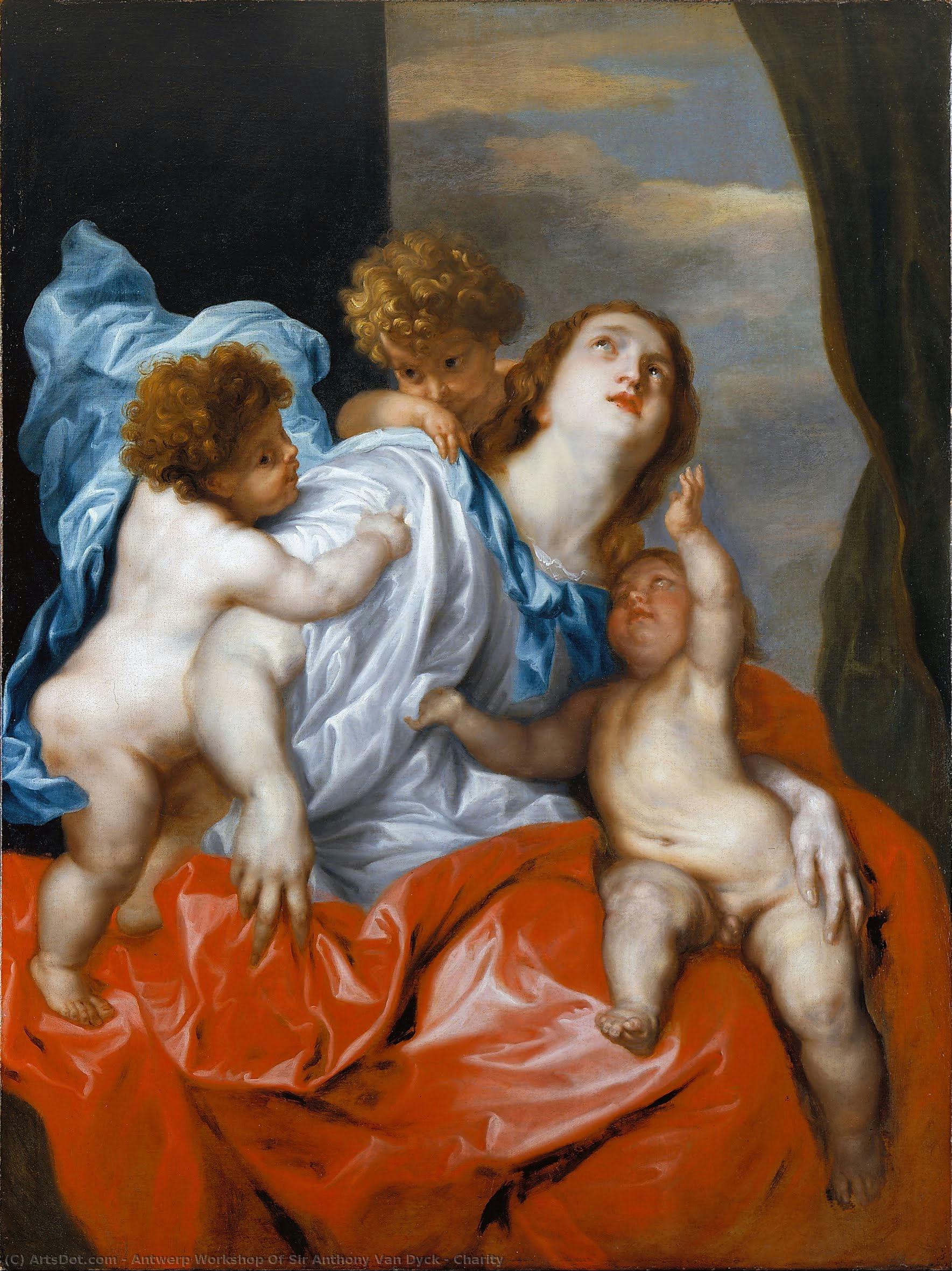
Sir Anthony van Dyck's "Charity" depicts a tender family scene, reflecting Italian influence & showcasing the artist’s refined portrait style. A beautiful glimpse into Baroque art.
「アントニオ・ファン・ダイク」は、ルーベンスの影響を受けながら独自の洗練されたスタイルでヨーロッパ貴族の肖像画を制作したフランドルのバロック画家。特にチャールズ1世の宮廷画家として活躍し、英語美術に大きな影響を与えました。彼の作品は優雅さと繊細さで知られ、現代でも多くの人々を魅了しています。
ロンドンの最初のアートギャラリー、ダルウィッチ・ピクチャーギャラリーでレンブラントやゲインズボローの名作を鑑賞!ソーンの美しい空間で静かに芸術に浸りましょう。
A Portrait Steeped in Italian Influence – Exploring Van Dyck’s ‘Charity’
The National Gallery houses one of several studio copies painted after the original by Sir Anthony van Dyck, a masterpiece that offers a fascinating glimpse into the artistic landscape of 1627 London and beyond. “Charity,” as it’s known, isn't merely a depiction of familial affection; it’s a carefully constructed visual narrative reflecting the profound impact of Italian Renaissance ideals on Flemish Baroque art during Van Dyck’s formative years abroad. The painting captures a tender moment between a woman – presumed to be the mother – and her two children, seated together in what appears to be a comfortable domestic setting.
Style and Technique: Embracing Refinement
Van Dyck's signature style is instantly recognizable—characterized by an unparalleled grace and elegance that distinguishes him from his contemporaries. Unlike Rubens’ bold brushstrokes and dramatic chiaroscuro, Van Dyck favored a more subtle approach, prioritizing tonal gradations and delicate modeling to achieve remarkable realism. The artist meticulously rendered the textures of fabric – particularly the woman's dress – conveying a palpable sense of materiality. Furthermore, he skillfully employed glazing techniques—thin layers of translucent pigment applied over underlying colors—to imbue the painting with luminous depth and luminosity. This meticulous attention to detail speaks volumes about Van Dyck’s dedication to mastering his craft and elevating portraiture to an art form of unparalleled sophistication.
Historical Context: The Return from Italy
Van Dyck's journey to Rome in 1627 proved pivotal in shaping his artistic vision. He immersed himself in the humanist ideals championed by artists like Raphael and Michelangelo, absorbing influences that would permeate his subsequent works. The Italian Renaissance’s emphasis on idealized beauty—particularly its celebration of maternal virtue—clearly informs “Charity.” This stylistic convergence underscores the interconnectedness of European art history and demonstrates how artistic movements transcend geographical boundaries, disseminating ideas and aesthetic sensibilities across continents.
Symbolism: Beyond Sentimentality
While ostensibly portraying a heartwarming familial scene, "Charity" is laden with symbolic significance. The woman’s posture—holding her children close—represents nurturing and protection – values deeply rooted in Renaissance iconography. The serene expressions of the figures convey inner peace and contentment, reflecting the humanist aspiration for moral perfection. Moreover, the muted color palette contributes to the painting's contemplative mood, reinforcing its thematic focus on compassion and devotion.
Emotional Impact: A Window into Human Connection
Ultimately, “Charity” succeeds in conveying a powerful emotional resonance—a poignant portrayal of maternal love that transcends time and cultural differences. The artist’s masterful execution captures not only the physical likenesses of his subjects but also their inner states of mind, inviting viewers to contemplate the enduring beauty of human connection. It remains an inspiring testament to Van Dyck's artistic genius and a captivating emblem of the Renaissance spirit—a timeless masterpiece that continues to captivate audiences centuries after its creation.