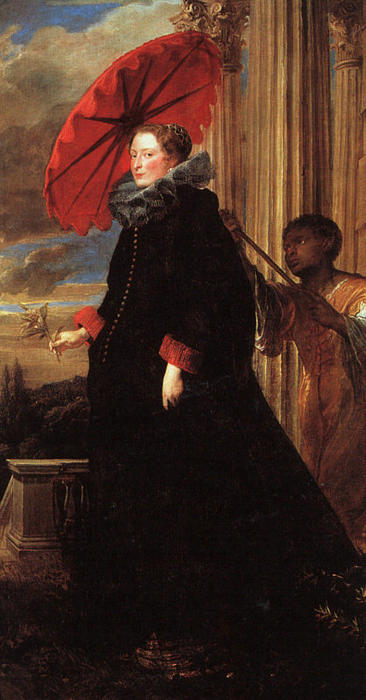
Experience the breathtaking Baroque elegance of Sir Anthony van Dyck’s Marchesa Elena Grimaldi, a masterpiece of light and texture that invites you to bring this timeless portrait of aristocratic grace into your collection.
「アントニオ・ファン・ダイク」は、ルーベンスの影響を受けながら独自の洗練されたスタイルでヨーロッパ貴族の肖像画を制作したフランドルのバロック画家。特にチャールズ1世の宮廷画家として活躍し、英語美術に大きな影響を与えました。彼の作品は優雅さと繊細さで知られ、現代でも多くの人々を魅了しています。
レンブラントからモネ、ピカソまで!ワシントンD.C.の国立美術館で、ルネサンスから現代アートまでを無料で堪能。名画の数々を心ゆくまでお楽しみください。
アメリカ合衆国
ワシントンD.C.
国立美術館
ルネサンス期の巨匠作品
膨大、数世紀にわたる
美術館
1937
1927年
1
国立美術館はいつ設立されましたか?
A Portrait of Elegance: Marchesa Elena Grimaldi by Anthony Van Dyck
The National Gallery of Art in Washington stands as a testament to artistic achievement, housing masterpieces that continue to captivate audiences centuries later. Among these treasures is Sir Anthony van Dyck’s “Marchesa Elena Grimaldi,” painted in 1623 – a Baroque portrait that transcends mere representation and delves into the complexities of aristocratic life and artistic vision. More than just a depiction of a noblewoman, this painting embodies the spirit of its time, reflecting the opulent tastes and intellectual currents shaping Europe’s cultural landscape.
The Artist's Hand: Technique and Style
Van Dyck’s mastery is immediately apparent in his masterful use of chiaroscuro – dramatic contrasts between light and dark – a technique perfected during Rubens’ influence. This skillful manipulation of illumination sculpts the Marchesa’s face, highlighting her expressive eyes and conveying an aura of serene confidence. The artist meticulously renders textures with painstaking detail, capturing the luxurious sheen of satin fabric and the subtle folds of Elena Grimaldi's gown. His brushstrokes are deliberate yet fluid, creating a harmonious blend of realism and idealized beauty—characteristic of Baroque portraiture’s ambition to elevate its subjects beyond the mundane.
Historical Context: The Courtly Ideal
Painted during the reign of James I in England, “Marchesa Elena Grimaldi” speaks volumes about the prevailing aesthetic ideals of the period. Portraiture served as a crucial tool for asserting social status and demonstrating wealth; commissioning portraits was an investment in prestige and lineage. Van Dyck’s depiction aligns perfectly with this cultural preoccupation, portraying Elena Grimaldi as a figure of grace and refinement—a symbol of noble femininity within the confines of Elizabethan society. The inclusion of a pageboy holding an umbrella underscores not only the practical considerations of aristocratic life but also serves as a visual motif representing protection and status – mirroring the Marchesa’s elevated position.
Symbolism Within the Frame
Beyond its technical brilliance, “Marchesa Elena Grimaldi” is rich in symbolic meaning. The red umbrella, positioned prominently in the background, transcends mere decoration; it embodies the Marchesa's considerable fortune and signifies her dominion over domestic space. Similarly, the height of Elena Grimaldi herself—emphasized by the composition—represents not just physical stature but also social standing and intellectual prowess. Van Dyck’s gaze directs the viewer’s attention upwards, elevating the subject to a position of honor and reinforcing the painting's overarching message of aristocratic dignity.
Emotional Resonance: A Window into Baroque Beauty
Ultimately, “Marchesa Elena Grimaldi” succeeds in conveying an enduring emotional resonance. The serene expression on Elena Grimaldi’s face invites contemplation—a glimpse into the inner life of a woman poised at the apex of her social world. Van Dyck's ability to capture this subtle psychological nuance distinguishes his work from simpler depictions and elevates it to the realm of timeless beauty. It remains an inspiring example of Baroque artistry, demonstrating how meticulous technique combined with astute observation can produce images that continue to fascinate viewers today.