George IV (1762–1830): A Portrait of Majesty Amidst Highland Tradition
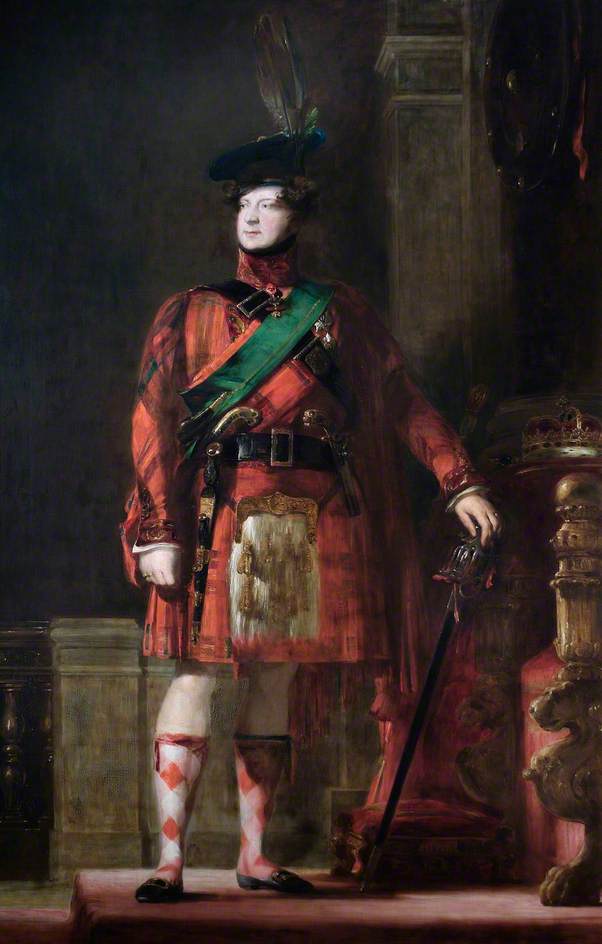
David Wilkie’s “George IV” stands as an emblem of the Romantic era's fascination with grandeur and national identity, capturing King George IV in a moment poised for action—a deliberate gesture reflecting his role as sovereign protector. Executed in 1830 shortly before his demise, this monumental portrait transcends mere likeness; it’s a meticulously crafted tableau designed to convey both regal authority and the spirit of Scotland during his reign.
- Subject Matter: The painting depicts George IV, reigning monarch from 1820 until his death in 1830. He is portrayed in formal Highland dress—a deliberate choice intended to emphasize Scotland’s cultural heritage and solidify the King's connection to the nation’s traditions.
- Style: Wilkie’s style aligns closely with Romantic principles, prioritizing expressive tonal gradation and capturing a palpable sense of atmosphere. His masterful brushwork imbues the canvas with warmth and depth, mirroring the grandeur of Holyroodhouse Palace where the portrait was conceived.
- Technique: Employing oil paint on canvas—a technique favored by Wilkie—the artist utilized bitumen to achieve exceptional luminosity and textural richness. This meticulous layering of pigment contributes significantly to the painting’s dramatic impact, mirroring the stylistic ambitions of Rembrandt and other Old Masters.
Historical Context: Commissioned during George IV's visit to Scotland in 1822—a pivotal moment for reviving Scottish pride—the portrait reflects the broader cultural revival spearheaded by writers like Walter Scott. Wilkie’s depiction of the King’s Highland attire underscores the importance of this symbolic gesture, highlighting the royal patronage of Scottish arts and culture.
Symbolism: Beyond its formal representation, “George IV” is laden with symbolism. The King's stance—ready for action—suggests leadership and vigilance. The inclusion of the Honours of Scotland—the Crown, Sword of State, and Sceptre—symbolizes royal power and heritage. Furthermore, Wilkie’s careful composition utilizes perspective to draw viewers into the scene, creating an immersive experience that captures the majesty of Holyroodhouse.
Emotional Impact: The painting evokes a sense of solemn dignity and regal composure. Wilkie's skillful rendering of light and shadow contributes to this emotional resonance, conveying not only visual beauty but also a profound appreciation for historical narrative and artistic craftsmanship. It remains a testament to Wilkie’s ability to transform a royal portrait into an enduring symbol of Victorian grandeur.
Provenance: Originally commissioned by George IV himself—who paid £500 guineas for the artwork—the painting was subsequently added to the inventory of Carlton House and later resided in Holyroodhouse Palace. Its continued presence within Scotland’s royal collection underscores its significance as a masterpiece of Romantic art.