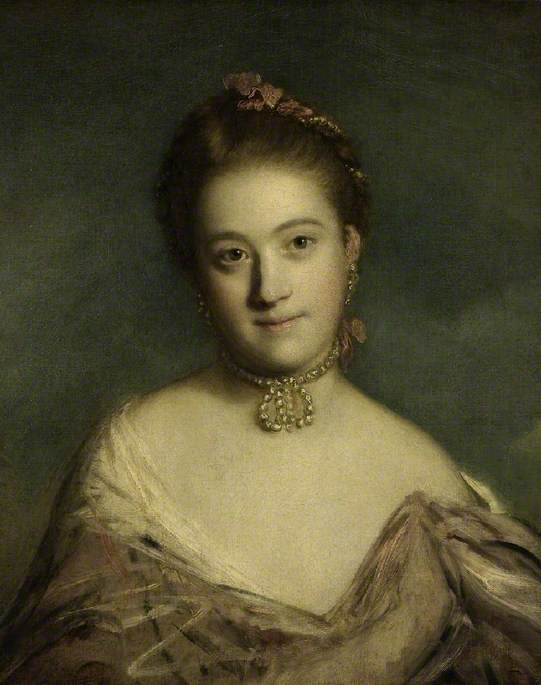
Mrs Angelo: A Portrait of Elegance Defined by Reynolds’ Grand Style
Sir Joshua Reynolds, born in Plymouth in 1723, stands as a monumental figure within the burgeoning landscape of Enlightenment Britain. His formative years were shaped by a father deeply invested in intellectual pursuits—a lineage that instilled in young Joshua an unwavering passion for learning and artistic exploration. This early influence would prove pivotal, steering him away from purely academic endeavors toward a vocation inextricably linked with visual representation: portraiture. Recognizing his innate talent, Reynolds secured an apprenticeship with Thomas Hudson in London at seventeen, immersing himself within the vibrant milieu of fashionable society—a studio that served as both training ground and incubator for artistic vision. Hudson’s establishment wasn't merely about mastering brushstrokes; it was about absorbing the ethos of aristocratic patronage, shaping Reynolds’ understanding of his audience and informing the very essence of his artistic practice. He sought to transcend mere likeness, striving instead to embody the spirit of his subject—a goal reflected in his masterful application of the ‘Grand Style,’ a technique characterized by meticulous detail, luminous coloration, and an idealized depiction of human form.
- Subject Matter: The portrait captures Mrs Angelo, a woman whose serene countenance embodies grace and composure. Her gaze directs outwards, conveying confidence and intelligence—traits meticulously rendered by Reynolds’ hand.
- Style & Technique: Reynolds' signature ‘Grand Style’ is evident throughout the composition. He employs glazing techniques to achieve unparalleled luminosity, layering translucent washes of color over underpaintings to create depth and vibrancy. The subtle modeling of flesh tones contributes to a palpable sense of realism while simultaneously elevating the image beyond mere representation.
- Historical Context: Executed circa 1760, Mrs Angelo exemplifies the prevailing artistic sensibilities of the period—a fascination with classical ideals combined with an acute awareness of social hierarchy. Reynolds’ portraits were commissioned by wealthy aristocrats eager to secure their legacy through visual commemoration, reflecting the values and aspirations of the era.
- Symbolism: The necklace and earrings adorning Mrs Angelo serve as emblems of status and refinement—symbols that underscore the sitter's position within society. Furthermore, the carefully chosen pose conveys dignity and poise, reinforcing Reynolds’ intention to portray his subject as embodying noble virtues.
Provenance: The painting originates from The Fitzwilliam Museum, Cambridge, where it continues to captivate viewers with its exquisite craftsmanship and timeless beauty. Its inclusion in the museum's collection underscores its significance within British art history—a testament to Reynolds’ enduring legacy as a pioneer of portraiture and a champion of artistic excellence.
Further Exploration
For deeper insights into Mrs Angelo and Sir Joshua Reynolds’ oeuvre, consult resources such as Art UK (
) and JSTOR (), offering scholarly analyses of Reynolds' artistic innovations and their impact on the broader cultural landscape. Examining reproductions available at ArtsDot () allows for a tangible appreciation of Reynolds’ masterful technique and the enduring allure of his Grand Style.