LORD CHARLES WHITWORTH: A Portrait of Regency Dignity
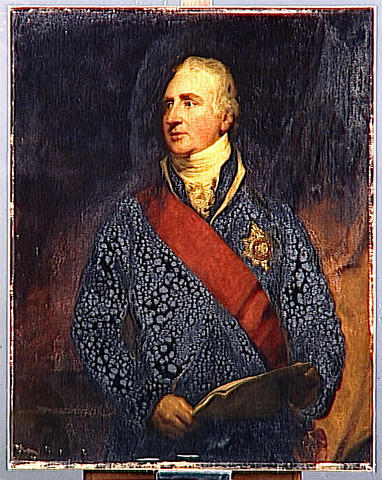
Sir Thomas Lawrence’s “Lord Charles Whitworth” stands as a quintessential emblem of the British Regency era, capturing not merely likeness but also an idealized vision of aristocratic status and refined taste. Painted circa 1820, this monumental portrait exemplifies Lawrence's mastery of technique—a blend of meticulous observation and masterful illusionism—resulting in an image that continues to resonate with collectors and art historians alike.
- Subject Matter & Composition: The painting depicts Lord Charles Whitworth in a three-quarter pose, positioned slightly off-center to his right. Lawrence skillfully directs the viewer’s gaze towards the subject's face, conveying an aura of composure and dignified contemplation. This deliberate framing underscores the importance of presenting the sitter as both intellectually astute and socially prominent – a hallmark of portraiture during this period.
- Color Palette & Lighting: Dominating the canvas is a cool color scheme—primarily blues and greys—particularly evident in Whitworth’s jacket, reflecting the restrained elegance favored by the aristocracy. However, Lawrence introduces warmth through skin tones and a bold crimson sash diagonally crossing Whitworth's chest, symbolizing honor or allegiance – likely referencing an Order of Chivalry. The lighting is carefully orchestrated from above and slightly to the left, highlighting Whitworth’s face and torso while casting shadows that deepen the sense of depth and contribute to the painting’s dramatic effect.
- Technique & Texture: Lawrence employed oil paint on canvas with painstaking precision, utilizing layering and blending techniques to achieve smooth transitions in skin tones and create nuanced textures. Visible brushstrokes subtly delineate fabric folds, imparting a tactile quality that enhances the realism of the portrait. The artist’s meticulous attention to detail speaks volumes about his commitment to capturing not just appearance but also conveying an impression of character.
- Historical Context & Symbolism: “Lord Charles Whitworth” resides firmly within the context of Regency England (1811-1820), a period characterized by opulent patronage and artistic innovation. Lawrence’s work reflects the prevailing aesthetic sensibilities—idealized beauty, formal grace, and an emphasis on conveying social status—traits that define this era's visual culture. The sash and medals adorning Whitworth’s chest serve as potent symbols of achievement and distinction, reinforcing the portrait’s overarching message of aristocratic dignity.
- Emotional Impact: Ultimately, Lawrence succeeds in evoking a feeling of quiet authority and understated pride. The gaze of Lord Charles Whitworth—direct yet measured—commands attention while simultaneously conveying an inner reserve that invites contemplation. This masterful portrayal transcends mere likeness; it captures the essence of Whitworth’s persona and embodies the spirit of Regency society's aspirations for refinement and distinction.