The Sacrifice of Isaac: A Meditation on Faith and Divine Provision
Titian’s “Sacrifice of Isaac” transcends mere biblical illustration; it embodies the profound spiritual quest at the heart of Renaissance Christianity. Painted in 1542, during a period marked by theological upheaval—the Protestant Reformation challenging papal authority—this monumental canvas confronts viewers with an image steeped in symbolism and executed with unparalleled mastery.
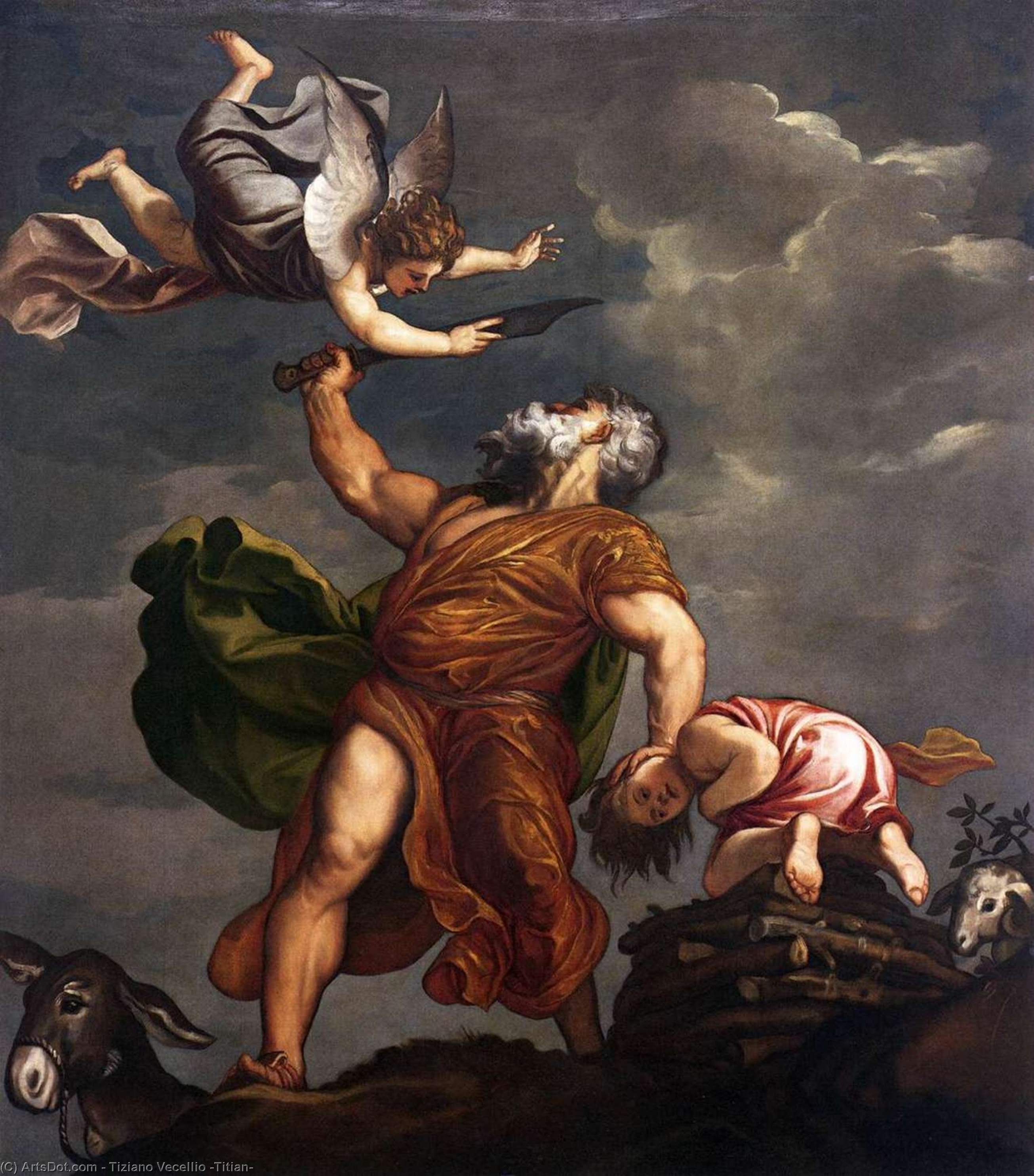
- Subject Matter: The painting depicts Abraham preparing to sacrifice his son Isaac as instructed by God. Angels flank the scene, one bearing a sword symbolizing divine judgment, while the other offers reassurance through outstretched wings—a visual representation of God’s compassion and intervention.
- Style & Technique: Characteristic of Titian's Mannerist style, “Sacrifice of Isaac” eschews idealized beauty for dramatic tension. The artist employs swirling brushstrokes and intersecting diagonals to convey movement and emotion, creating a palpable sense of urgency and apprehension. Titian’s masterful use of color—particularly the luminous reds and golds—intensifies the emotional impact of the scene, highlighting the sacrificial altar and emphasizing the divine presence.
- Historical Context: Commissioned by Cardinal Giovanni Gabriele Vespasiani for the Santa Maria della Salute basilica in Venice, “Sacrifice of Isaac” reflects the anxieties surrounding papal legitimacy during a time of religious division. The painting’s depiction of Abraham’s unwavering faith—despite facing imminent peril—served as an emblem of Christian piety and resilience.
- Symbolism: Beyond its biblical narrative, “Sacrifice of Isaac” operates on multiple symbolic levels. The ram substituted for Isaac represents divine grace and redemption, mirroring the sacrificial offering itself. The donkey symbolizes humility and obedience, underscoring Abraham’s acceptance of God’s will. Furthermore, the composition—with its central figures engaged in a dramatic confrontation—suggests a struggle between earthly fear and divine love.
- Emotional Impact: Viewing “Sacrifice of Isaac” evokes contemplation on themes of faith, sacrifice, and divine providence. The painting's expressive gestures and vibrant colors compel viewers to confront existential questions about morality, obedience, and the nature of God’s compassion—leaving an indelible impression on those who engage with its powerful imagery.
Titian’s Mannerist Vision
Titian’s approach to painting distinguished him from his contemporaries, prioritizing emotional intensity over realistic representation. He embraced a style known as Mannerism, which deliberately distorted proportions and employed exaggerated poses to convey psychological states—a technique that anticipates the expressive innovations of Baroque art.
A Masterpiece of Venetian Color
The brilliance of Titian’s palette—particularly his masterful manipulation of reds and golds—elevates “Sacrifice of Isaac” beyond mere visual spectacle. These colors are not merely decorative; they serve as conduits for conveying spiritual significance, mirroring the radiant glory of God’s divine presence.
Beyond Representation: Exploring Narrative Depth
Unlike earlier Renaissance artists who sought to capture idealized beauty, Titian prioritized narrative depth—telling a story with compelling emotional resonance. He achieved this feat through dynamic composition and expressive brushstrokes, inviting viewers into the drama unfolding before their eyes.