ズント
オランダ
フィンセント・ファン・ゴッホ
Van Gogh, Vincent van Gogh
鮮烈な色彩と感情的な筆致が特徴のポスト印象派画家、フィンセント・ファン・ゴッホ。代表作「星月夜」「ひまわり」は世界中で愛され、表現主義に大きな影響を与えました。短い生涯ながらも、その作品は芸術史に不朽の名を残しています。
ポスト印象派
表現主義
レンブラント・ファン・レイン
1853年3月30日
1890年7月29日
フィンセント・ウィレム・ファン・ゴッホ
オランダ人
農民と土器
フランス
3
フィンセント・ファン・ゴッホは、どの国で生まれましたか?
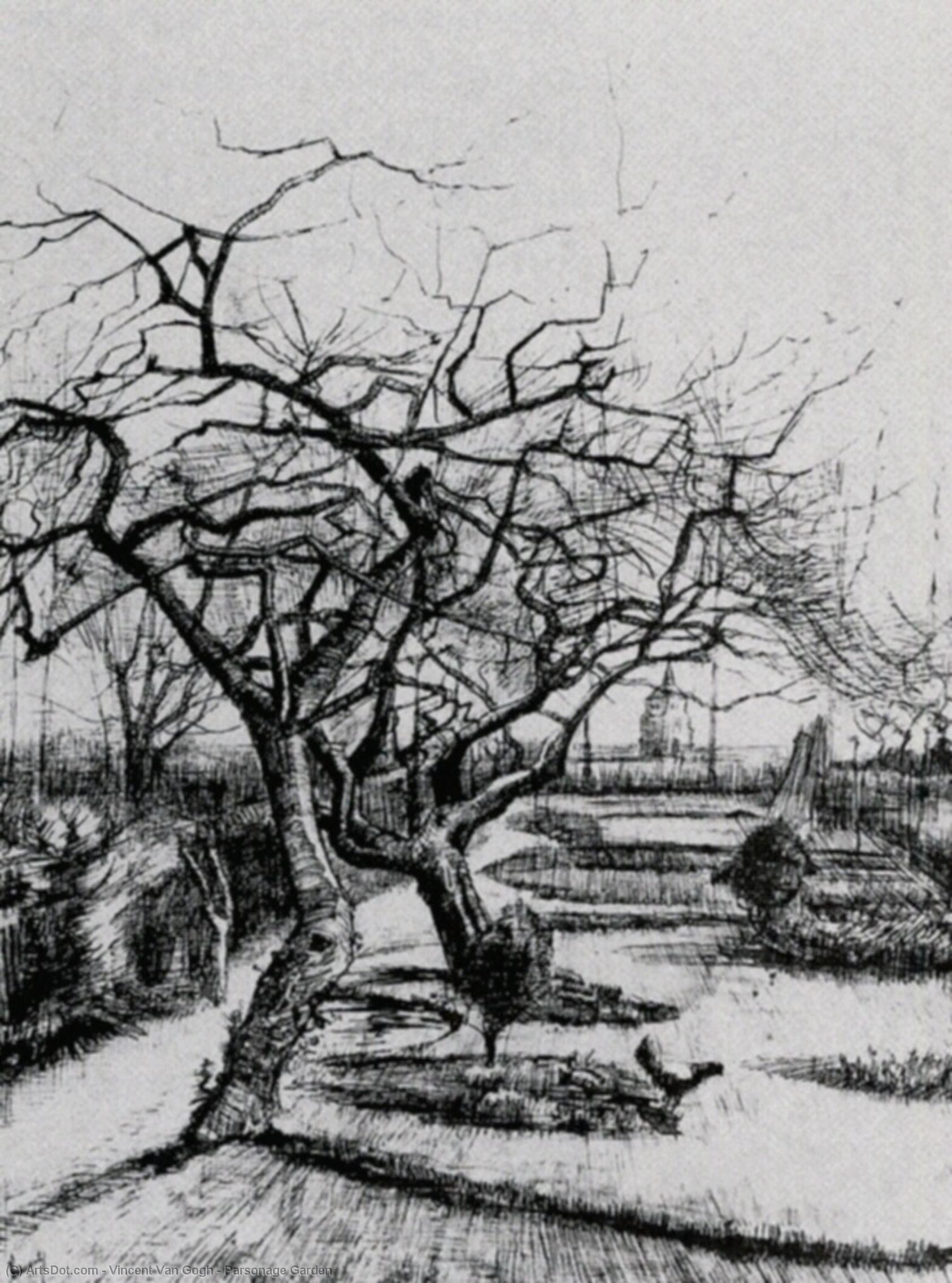
The Parsonage Garden at Nuenen: A Winter Meditation by Vincent van Gogh
Vincent Willem van Gogh’s “The Parsonage Garden at Nuenen,” completed in 1884, stands as a poignant testament to the artist's unwavering dedication to capturing the essence of natural beauty amidst profound personal struggle. More than just a depiction of winter foliage—though undeniably striking—it embodies Van Gogh’s distinctive artistic vision and his deeply felt connection to the rural landscape surrounding his home in Nuenen, Netherlands. This drawing isn’t merely observed; it's wrestled onto paper with an intensity that speaks volumes about the artist’s inner turmoil and unwavering commitment to conveying emotion through meticulous line work.
Composition and Technique: Embracing Line as Emotion
The artwork’s composition prioritizes a central perspective dominated by a towering tree trunk, immediately establishing visual hierarchy. Branches extend outwards in complex geometries, creating a textured surface that draws the eye upwards—a deliberate tactic mirroring Van Gogh's desire to elevate the viewer beyond the mundane into realms of contemplation. Supporting this monumental form are lesser trees receding into the background, subtly reinforcing spatial depth and contributing to an atmosphere of quiet solitude. The artist’s technique is characterized by masterful hatching and cross-hatching – techniques he honed during his formative years in Antwerp—resulting in a remarkable tonal range achieved solely through variations in line density. Thick lines delineate the trunk's robust structure, while finer lines weave across the foliage, simulating the intricate patterns of winter branches and capturing the subtle nuances of light and shadow. This painstaking process underscores Van Gogh’s belief that line possesses an inherent capacity to express emotion—a conviction that would become central to his artistic legacy.
Symbolism and Emotional Resonance: A Landscape of Resilience
Beyond its formal qualities, “The Parsonage Garden” resonates with symbolic significance rooted in Van Gogh's spiritual journey. The barrenness of the winter landscape serves as a powerful metaphor for hardship and loss—a reflection of Van Gogh’s own mental health challenges during this period. Yet, amidst this apparent desolation, the tree branches retain an astonishing level of detail, symbolizing not only the enduring strength of nature but also the artist's unwavering perseverance in confronting adversity. The meticulous rendering of texture – particularly on the trunk – conveys a palpable sense of physicality and resilience—a visual embodiment of Van Gogh’s determination to persevere despite his inner demons. It invites viewers to consider themes of solitude, contemplation, and perhaps even acceptance of life’s inevitable cycles.
Historical Context: Impressionism's Legacy
“The Parsonage Garden” firmly situates itself within the broader artistic landscape of late 1880s Europe—a period marked by a burgeoning interest in Impressionism and its exploration of fleeting moments of light and color. However, Van Gogh diverges from his contemporaries’ focus on capturing optical sensations; instead, he prioritizes conveying emotional experience through expressive line work—a stylistic hallmark that distinguishes him as a pioneer of Post-Impressionism. Influenced by Japanese prints (ukiyo-e), which championed bold outlines and simplified forms, Van Gogh's approach reflects a desire to transcend mere representation and tap into the subconscious realm of feeling.
A Timeless Reflection: Why This Artwork Matters
“The Parsonage Garden at Nuenen” continues to captivate audiences today precisely because it transcends its formal constraints—a testament to Van Gogh’s ability to distill profound emotion into a deceptively simple visual form. Its enduring appeal lies in its capacity to evoke feelings of melancholy, contemplation, and ultimately, admiration for the beauty inherent in even the bleakest landscapes. Owning a high-quality reproduction allows one to experience this timeless masterpiece—a connection to an artist who dared to confront darkness with unwavering artistic conviction.