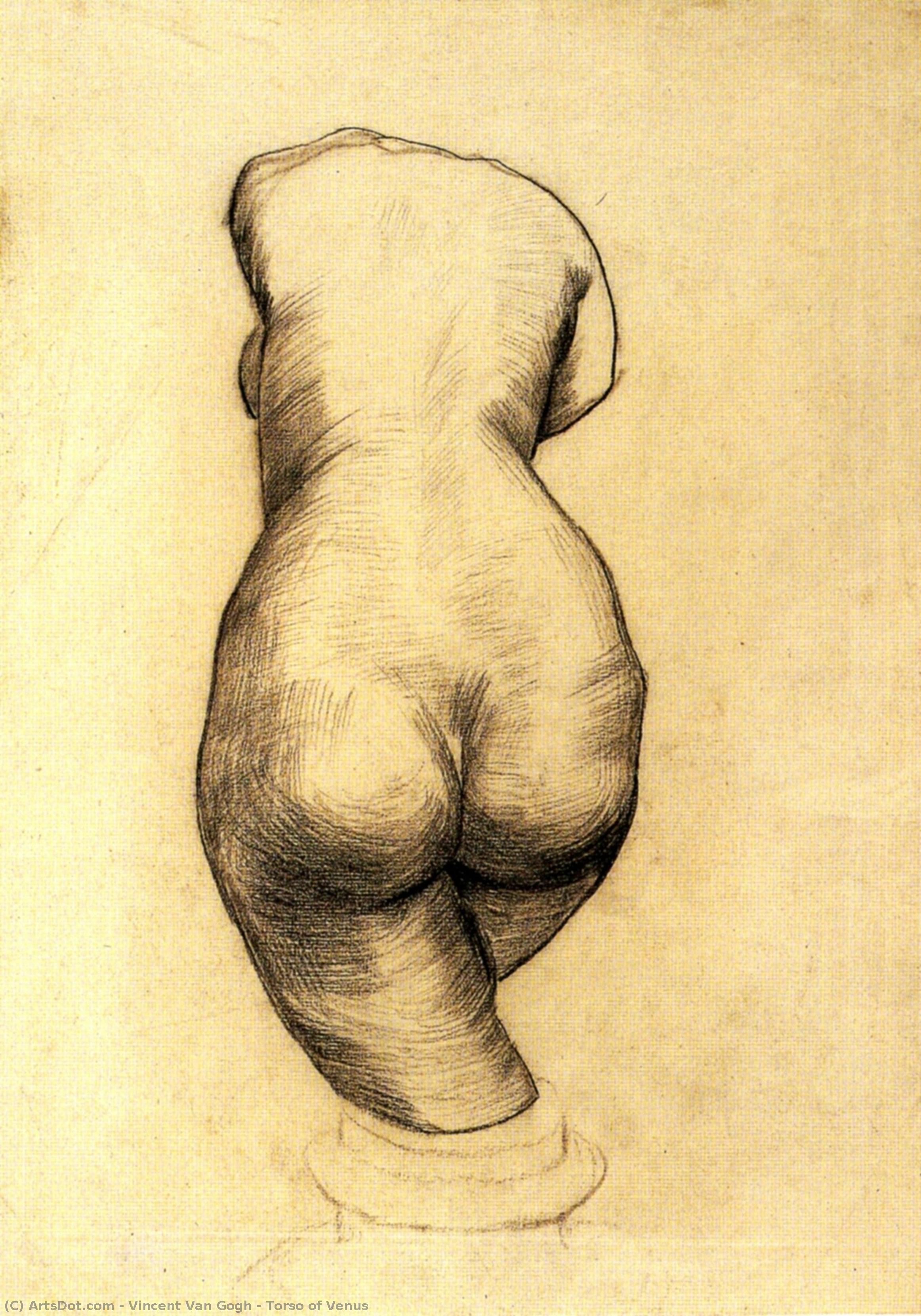
A Study in Vulnerability: Exploring Vincent van Gogh’s Torso of Venus
Vincent Willem van Gogh's "Torso of Venus," created in 1886, stands as a poignant testament to the artist’s unwavering pursuit of capturing human emotion and form. This deceptively simple drawing—executed in chalk on paper—offers a glimpse into Van Gogh’s artistic sensibilities during his formative years in Paris, where he sought to hone his skills alongside Impressionist contemporaries like Claude Monet and Pierre-Auguste Renoir. The artwork isn't merely an anatomical study; it’s imbued with a palpable sense of vulnerability and introspection, reflecting the artist’s own internal struggles as he wrestled with mental illness and artistic ambition.
- Subject Matter: The drawing depicts a nude female torso viewed from the waist up, presenting a figure that embodies idealized beauty while simultaneously conveying profound emotional depth.
- Style & Technique: Van Gogh’s approach aligns closely with Neo-Impressionism, prioritizing meticulous observation of light and color—though here rendered in monochrome—to achieve remarkable realism. The chalk medium lends itself to delicate shading and tonal variations, allowing for nuanced depiction of musculature and skin texture.
The historical context surrounding “Torso of Venus” is crucial to understanding its significance. Van Gogh arrived in Paris in 1886 armed with a fervent desire to absorb the artistic innovations of Impressionism. However, he quickly recognized that true artistic expression demanded more than mere replication; it necessitated delving into the psychological landscape of his subjects. This drawing exemplifies this ambition—a deliberate departure from academic conventions—demonstrating Van Gogh’s commitment to portraying not just what he saw but also how he felt.
- Symbolism: Venus, as a mythological figure representing love and beauty, serves as an emblem of feminine grace and idealized femininity. Yet, the pose itself – facing away from the viewer—suggests introspection and concealment, hinting at the complexities hidden beneath the surface of outward appearance.
- Emotional Impact: Despite its muted palette, “Torso of Venus” radiates a powerful emotional resonance. The artist’s masterful rendering captures not only anatomical accuracy but also an aura of quiet contemplation—a reflection of Van Gogh's own preoccupation with themes of solitude and spiritual yearning.
“Torso of Venus” continues to captivate audiences today because it transcends mere visual representation. It speaks to the universal human experience of vulnerability, beauty, and the desire for connection. A high-quality reproduction allows viewers to appreciate Van Gogh’s unparalleled skill in conveying emotion through form and color—or rather, lack thereof—creating a piece that resonates with both artistic integrity and enduring psychological depth. Its understated elegance makes it particularly suitable for interior design projects seeking to evoke tranquility and contemplation.