ズント
オランダ
フィンセント・ファン・ゴッホ
Van Gogh, Vincent van Gogh
鮮烈な色彩と感情的な筆致が特徴のポスト印象派画家、フィンセント・ファン・ゴッホ。代表作「星月夜」「ひまわり」は世界中で愛され、表現主義に大きな影響を与えました。短い生涯ながらも、その作品は芸術史に不朽の名を残しています。
ポスト印象派
表現主義
レンブラント・ファン・レイン
1853年3月30日
1890年7月29日
フィンセント・ウィレム・ファン・ゴッホ
オランダ人
農民と土器
フランス
3
フィンセント・ファン・ゴッホは、どの国で生まれましたか?
モンドリアン美術館🇳🇱ハーグの近代美術と建築の粋。デルフト陶器やファッションも展示。勝利ブギー・ウーギーは必見!🎨✨ #アート #ハーグ #モンドリアン
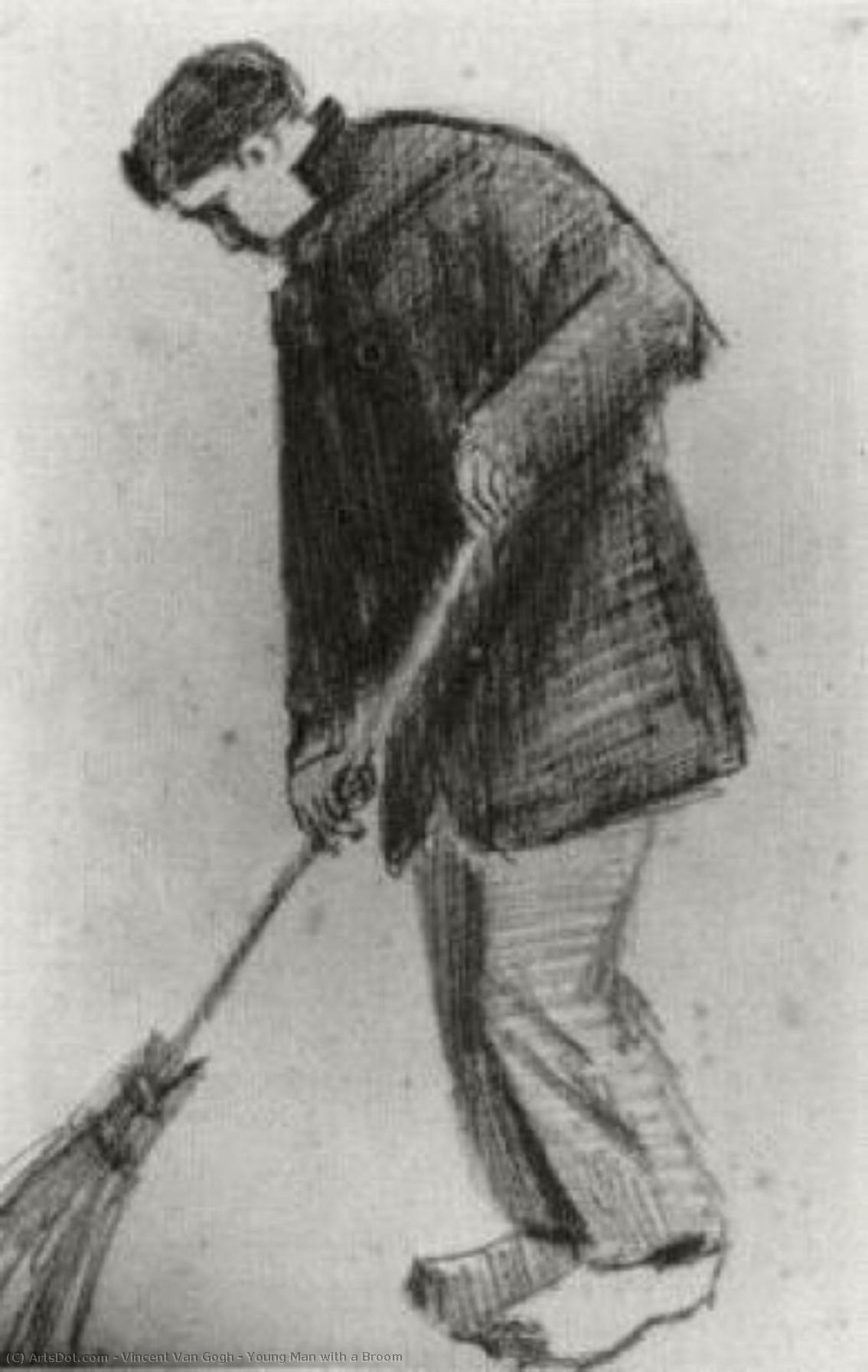
A Quiet Reflection: Examining Vincent van Gogh’s ‘Young Man with a Broom’
Vincent Willem van Gogh's “Young Man with a Broom,” completed in 1882, stands as a deceptively simple yet profoundly resonant depiction of rural life and artistic exploration. This unassuming sketch—a study in charcoal—offers a glimpse into the formative years of one of art history’s most celebrated figures, revealing Van Gogh’s burgeoning interest in capturing everyday scenes with unflinching honesty and emotional depth. Unlike his later canvases ablaze with vibrant color, “Young Man with a Broom” embodies a restrained palette of grey tones, meticulously rendered through hatching and cross-hatching techniques—a deliberate choice that underscores the artist's commitment to realism and psychological observation.
Composition and Technique: Embracing Line Work
The composition centers on a solitary young man positioned against a backdrop of a wooden chair. Van Gogh’s masterful use of line work dominates the image, prioritizing form over shading—a characteristic stylistic decision that aligns with his early artistic endeavors. Thick, confident lines delineate the contours of the man's body and clothing, conveying solidity and presence despite the absence of tonal variation. Furthermore, hatching and crosshatching patterns skillfully build up texture, simulating the rough surface of charcoal on paper and lending an immediacy to the depiction. The subtle perspective—a slight elevation from which the scene is viewed—creates a sense of depth without resorting to dramatic shading, enhancing the overall atmosphere of quiet contemplation.
Historical Context: Early Realism and Artistic Experimentation
Painted during Van Gogh’s time in Paris, “Young Man with a Broom” represents an important step in his artistic development. Following his initial foray into Impressionism—influenced by artists like Monet and Renoir—Van Gogh sought to refine his technique and explore more introspective subjects. This sketch reflects the broader trend of Realist art at the time, which aimed to portray life as it truly was, eschewing idealized representations for a focus on observable detail. However, “Young Man with a Broom” transcends mere documentation; it’s infused with Van Gogh's deeply felt empathy for the working class and his unwavering desire to convey emotion through visual language—a precursor to the expressive brushstrokes that would define his later masterpieces.
Symbolism and Emotional Resonance: A Portrait of Diligence
Beyond its technical merits, “Young Man with a Broom” carries symbolic weight. The young man’s posture—slightly slumped, gaze downward—suggests weariness or perhaps melancholy, mirroring Van Gogh's own struggles with mental health during this period. He diligently sweeps the floor, representing labor and perseverance – themes that resonate throughout Van Gogh’s oeuvre. This seemingly mundane activity becomes a vehicle for conveying profound ideas about human dignity and resilience. The drawing invites viewers to consider not just what is seen but also what is felt—a testament to Van Gogh's ability to transform ordinary subjects into vehicles of emotional expression.
Conclusion: An Echo of Genius
“Young Man with a Broom” remains an enduring symbol of Van Gogh’s artistic vision and his pioneering approach to depicting the human condition. It exemplifies his unwavering commitment to capturing authentic emotion through line work, reflecting the formative influence of Realism alongside the burgeoning exploration of psychological depth. As a reproduction, this artwork offers a tangible connection to one of art history's most poignant portraits—a quiet reminder of Van Gogh’s enduring legacy as an artist who dared to see beauty in the commonplace and transform it into timeless expression.