

 プレビュー
プレビュー
 プリントを購入
 シェアする
シェアする シェアする
シェアする
 詳細を見る
詳細を見る

 ダウンロード
 似ている作品
 X線調査
X線調査 スライドショー
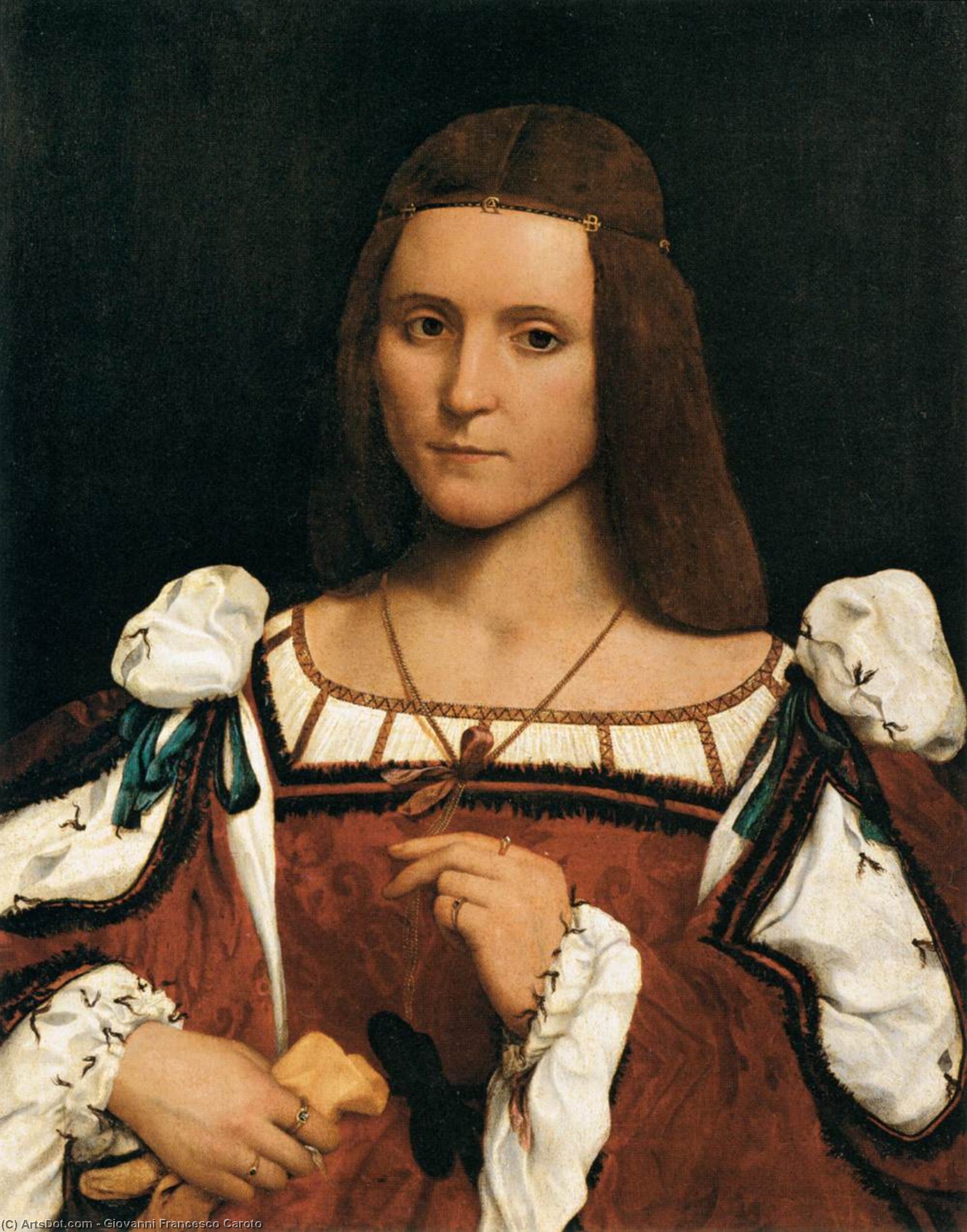
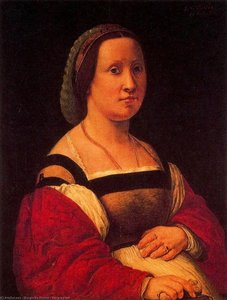
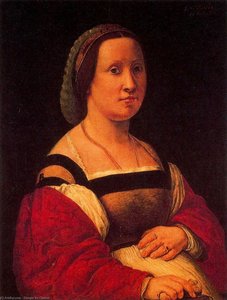
Portrait of a Woman
 Oil On Canvas
- WallArt
- Mannerist Painting
 1505
1505 69.0 x 53.0 cm
 ルーブル美術館
 詳細を見る
詳細を見る




P118B $10

P118H $10

P118W $10

P438Z $10

P508JH $12

P508YH $12

P805H $10

P805Z $10

P919BZ $10

P919G $10

P919XJ $10

P959ZH $10

P968JZ $12

W106C $8

W218G $10

W218JH $8

W218Y $10

W307PJ $10

W316G $10

W316PJ $8

W316Y $10

W398PJ $8

W4111J $10

W500HY $15

W500JH $15

W692G $12

W849H $8

W940BG $15

W953PJ $8




作品のオリジナル比率に合わせた、当店の規定サイズからお選びください。

特定のフレームやスペースに合わせて、ご希望のサイズをご入力いただけます。選択されたサイズが元の画像の比率と異なる場合、アートワークをトリミングするか、手描きで要素を追加して絵画を拡張いたします。デジタルモックアップ を制作し、制作開始前にご確認(承認)をいただきます。
画面上のプレビューは、実際のトリミングや拡張を正確に反映しているものではありません。最終的な構図は、モックアップによってのみ正確にご確認いただけます。
カスタムサイズもご利用いただけますが、元の比率を維持するためには、あらかじめ用意されたリストからサイズを選択することをお勧めいたします。
ご注文後、ArtsDot.com チームより詳細な指示をお送りするとともに、仕上がりイメージ(モックアップ)をご提供いたします。


 ガラスオプションは、110cm未満のサイズでのみご利用いただけます。

Portrait of a Woman
複製技法
複製画のサイズ
-


合計金額
$ 263
作品解説
A Venetian Master’s Intimate Portrait – Giovanni Francesco Caroto's "Portrait of a Woman"
Giovanni Francesco Caroto’s “Portrait of a Woman,” painted in Verona around 1505, is more than just a depiction of an individual; it’s a window into the burgeoning world of Venetian Mannerism and a testament to the artist’s subtle yet profound understanding of human emotion. This captivating work, now meticulously reproduced for discerning collectors, offers a glimpse into a refined era where portraiture moved beyond simple likenesses towards explorations of psychological depth and artistic innovation.
The subject herself remains enigmatic, presented in a pose that is both graceful and subtly defiant. Dressed in a rich crimson gown – a color historically associated with wealth, passion, and even danger – she holds her gaze just slightly off-center, drawing the viewer into an unspoken dialogue. Her long, flowing brown hair cascades down her shoulders, framing a face marked by quiet intelligence and a hint of melancholy. The inclusion of a delicate necklace suggests both status and perhaps a touch of vulnerability, adding layers to her character.
Caroto’s mastery lies not merely in his technical skill but in his ability to imbue the portrait with atmosphere. He employs a muted palette dominated by earthy tones – ochres, browns, and subtle greens – creating a sense of intimacy and quiet contemplation. The lighting is carefully considered, highlighting the contours of her face and dress while leaving much of the background softly shadowed, contributing to the painting’s overall mood. Notice the delicate brushstrokes that define the fabric's texture and the subtle modeling of her features; these details speak volumes about Caroto’s meticulous approach.
The Rise of Mannerism in Venice
Caroto’s “Portrait of a Woman” is firmly rooted within the Venetian Renaissance, yet it anticipates the stylistic shifts that would define the subsequent era of Mannerism. Following his training under Liberale da Verona and his travels to Milan and other northern Italian centers, Caroto absorbed influences from masters like Mantegna, Raphael, and Leonardo da Vinci. However, he skillfully synthesized these diverse elements into a distinctly Venetian style characterized by elongated figures, complex compositions, and an emphasis on emotional expression rather than strict realism.
Venice during this period was a vibrant hub of artistic innovation, attracting artists from across Europe and fostering a dynamic exchange of ideas. The city’s unique cultural landscape – its maritime trade, its wealth derived from glassmaking and commerce, and its rich history – profoundly shaped the art produced within its walls. Caroto's work reflects these influences, showcasing a sophisticated understanding of perspective, color theory, and human anatomy, while simultaneously pushing the boundaries of traditional portraiture.
Symbolism and Interpretation
While the precise meaning behind the woman’s expression remains open to interpretation, several symbolic elements contribute to the painting's richness. The crimson gown, as mentioned earlier, carries connotations of power and allure, but also hints at potential danger or hidden secrets. The necklace could represent marital status, wealth, or perhaps a connection to religious symbolism – a subtle nod to the Virgin Mary, a common motif in Venetian art.
The background, though relatively simple, is carefully constructed to create a sense of depth and perspective. The presence of two figures in the distance—one on the right and another further back on the left—suggests a domestic setting, perhaps hinting at the woman’s role as a wife or mother. These secondary figures add context without distracting from the central subject, reinforcing the painting's focus on her inner life.
A Timeless Masterpiece – Reproduction and Legacy
Today, “Portrait of a Woman” by Giovanni Francesco Caroto stands as a testament to the enduring power of Venetian art. Its captivating beauty, psychological depth, and masterful technique continue to resonate with viewers centuries after its creation. WGA’s detailed research provides invaluable insight into this piece, highlighting Caroto's journey from Mantua to Venice and his embrace of Mannerist principles.
Our meticulously crafted reproductions capture every nuance of the original painting – the subtle color variations, the delicate brushstrokes, and the evocative atmosphere. Whether adorning a private residence or gracing a corporate space, this reproduction offers a timeless addition to any collection, bringing the artistry of Caroto’s Venetian world into your home.
- Size: 69 x 53 cm
- Date: 1505
- Artist: Giovanni Francesco Caroto
関連作品

アーティストの略歴
ジョヴァンニ・フランチェスコ・カロート:マニエリスムを体現したヴェネツィアの巨匠
ジョヴァンニ・フランチェスコ・カロート(1480 – 1555)は、ヴェネツィア・ルネサンスにおける極めて重要な人物です。彼の遺した足跡は、単なる技術的な卓越性を超え、芸術的革新とヒューマニズムの理想に対する深い探求心に満ちています。イタリアのヴェローナに生まれた彼は、当初リベラーレ・ダ・ヴェローナの指導の下で技法を磨きました。師から受け継いだのは、マンテーニャの抑制された壮麗さに根ざした様式的感性であり、この強固な基礎こそが、後にカロート独自の芸術的ビジョンを形作る決定的な要素となりました。しかし、その後のミラノへの旅と、フランチェスコ・ボンジーニ、レオナルド・ダ・スヴィンチ、ラファエロ、ジュリオ・ロマーノといった巨匠たちとの出会いが、彼を胎動しつつあったマニエリスム運動へと真に押し進め、伝統的な慣習からの決定的な脱却をもたらしたのです。- 初期の修行と影響:カロートの形成期は、マンテーニャの緻密な写実主義と古典的なプロポーションへの没入によって特徴づけられます。この基礎があったからこそ、彼は解剖学的な正確さをもって人物を描き出し、精神的な深みを伝えるための極めて貴重な術を手にすることができました。こうした資質は、その後の彼の全作品に深く浸透していくことになります。
- ミラノ時代と芸術的進化:ミラノでの日々は、彼の芸術的視野を劇的に広げるものとなりました。レオナルド・ダ・ヴィンチやラファエロが放つ様式的なダイナミズムに触れたことで、遠近法への実験や構図の複雑化が進み、カロートのスタイルはマニエリスム特有の表現豊かな歪みへと、繊細に変化を遂げていきました。
- 師弟関係と遺産:おそらく最も特筆すべきは、カロートがアントニオ・バディーレと共に教師を務め、ヴェネツィア史上最大のマニエリスム画家とも称されるパオロ・ヴェロネーゼの才能を育んだことです。この協力的な関係は、芸術的革新の伝達者としてのカロートの地位を確固たるものにし、彼の様式的な刻印が、後の世代のヴェネツィアの画家たちを通じて永続することを約束したのです。
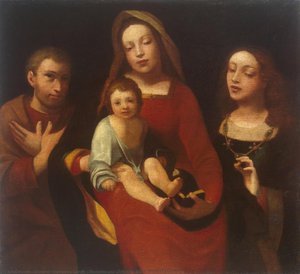
- 代表作:カロートの称賛される傑作の中には、細部への緻密なこだわりと色彩の巧みな使用を示す「聖母子」をはじめ、レオナルド・ダ・ヴィンチの影響を反映したピラミッド型の構図を持つ「聖ヒエロニムス(1512)」、そして精神的な瞑想の瞬間を見事に捉えた「聖母、幼子イエス、諸聖人」などがあります。
- 美術館のコレクション:彼の作品は、ミラノのカスティーロ、マントヴァのキエーザ・デ・カリタ、フィレンツェのウフィツィ美術館やピッティ宮殿をはじめ、ヨーロッパ各地の著名な美術館を彩っています。
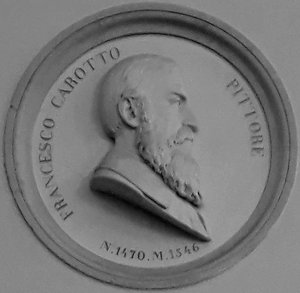
ジョヴァンニ・フランチェスコ・カロト
1480 - 1555 , イタリア
基本情報
- Artistic Movement Or Style: ルネサンス、マニエリスム
- Artists Or Movements Influenced By This Artist: ['パオロ・ヴェロネーゼ']
- Artists Who Influenced This Artist:
- リベラーレ・ダ・ヴェローナ
- アンドレア・マンテーニャ
- フランチェスコ・ボンシーニョーリ
- レオナルド・ダ・ヴィンチ
- ラファエロ
- ジュリオ・ロマーノ
- Date Of Birth: イタリア、ヴェローナ (1480年)
- Date Of Death: 1555年
- Full Name: ジョヴァンニ・フランチェスコ・カロート
- Nationality: イタリア人
- Notable Artworks:
- 聖母子像
- 聖ヒエロニムス
- イエスと聖人たちを伴う聖母
- Place Of Birth: ヴェローナ
関連記事

ジャコポ・ティンコレット:至高の25選 – ヴェネツィア巨匠のドラマと光の世界 | ArtsDot
ジャコポ・ティンコレットの至高の25選。ドラマと光の世界を彩るヴェネツィア派巨匠の名画を紐解きます。ルネサンス絵画からバロック絵画まで、ArtsDotで高品質な複製画やインテリアアートを見つけましょう。傑作コレクションをオンラインで探求してください。
Francesco Guardi: Venetian Light, Atmospheric Perspective & the Rococo to Neoclassical Transition
Explore the captivating world of Francesco Guardi, master of Venetian light and atmosphere. Discover his transition from Rococo to Neoclassicism, influence on Impressionism & investment potential with ArtsDot.

The Golden Light of Innovation: Exploring the Venetian Renaissance Art Movement (1430–1580)
Explore the Golden Age of Venetian art (1430–1580). Discover Giorgione, Titian & Tintoretto's techniques, the 'colorito' revolution, and lasting influence. Expert insights for collectors & enthusiasts.
Sebastiano del Piombo: Bridging Venetian Colorism & Roman Grand Manner Portraiture
Explore the captivating art of Sebastiano del Piombo, a Renaissance master bridging Venetian colorism & Roman grandeur. Discover his iconic portraits and lasting influence on art history. Learn more at ArtsDot.
Giovanni Antonio Canal (Canaletto): A Venetian Master of Light, Space & Societal Observation
Explore the life & art of Giovanni Antonio Canal (Canaletto), a Venetian master renowned for his breathtaking cityscapes. Discover his techniques, legacy, and captivating depictions of 18th-century Venice & London.

