

 プレビュー
プレビュー
 プリントを購入
 シェアする
シェアする シェアする
シェアする
 詳細を見る
詳細を見る

 ダウンロード
 似ている作品
 X線調査
X線調査 スライドショー
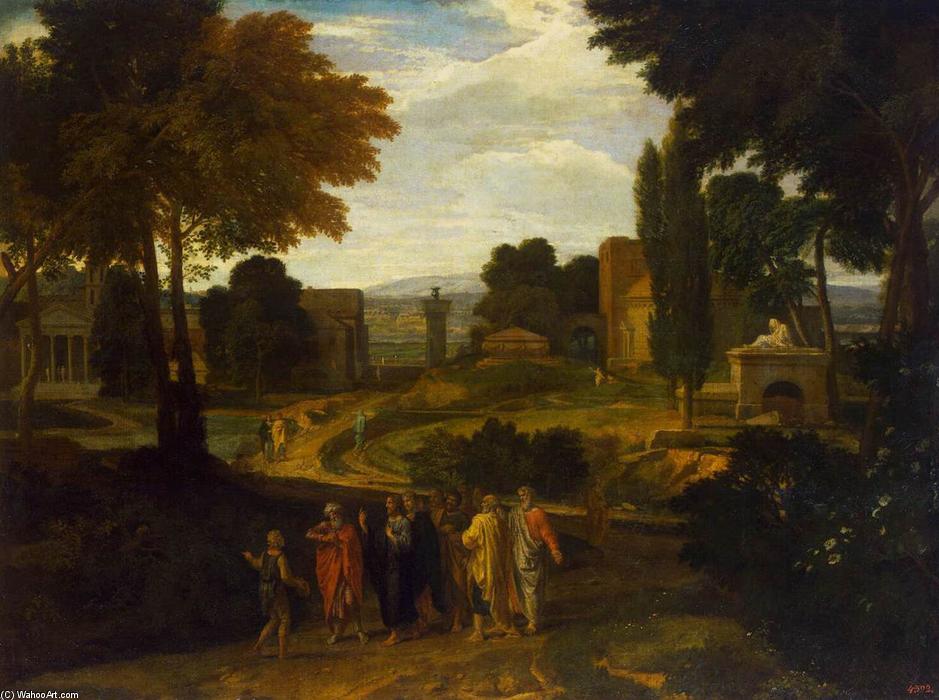
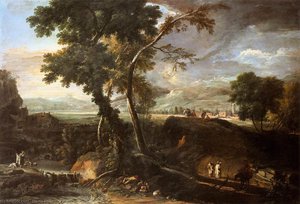
Landscape with Christ and His Disciples
 Acrylic On Canvas
- WallArt
- Baroque Landscape
 99.0 x 133.0 cm
 エルミタージュ美術館
 詳細を見る
詳細を見る




P118B $10

P118H $10

P118W $10

P438Z $10

P508JH $12

P508YH $12

P805H $10

P805Z $10

P919BZ $10

P919G $10

P919XJ $10

P959ZH $10

P968JZ $12

W106C $8

W218G $10

W218JH $8

W218Y $10

W307PJ $10

W316G $10

W316PJ $8

W316Y $10

W398PJ $8

W4111J $10

W500HY $15

W500JH $15

W692G $12

W849H $8

W940BG $15

W953PJ $8




作品のオリジナル比率に合わせた、当店の規定サイズからお選びください。

特定のフレームやスペースに合わせて、ご希望のサイズをご入力いただけます。選択されたサイズが元の画像の比率と異なる場合、アートワークをトリミングするか、手描きで要素を追加して絵画を拡張いたします。デジタルモックアップ を制作し、制作開始前にご確認(承認)をいただきます。
画面上のプレビューは、実際のトリミングや拡張を正確に反映しているものではありません。最終的な構図は、モックアップによってのみ正確にご確認いただけます。
カスタムサイズもご利用いただけますが、元の比率を維持するためには、あらかじめ用意されたリストからサイズを選択することをお勧めいたします。
ご注文後、ArtsDot.com チームより詳細な指示をお送りするとともに、仕上がりイメージ(モックアップ)をご提供いたします。


 ガラスオプションは、110cm未満のサイズでのみご利用いただけます。

Landscape with Christ and His Disciples
複製技法
複製画のサイズ
-


合計金額
$ 263
Landscape with Christ and His Disciples – A Baroque Masterpiece
Francisque Millet’s Landscape with Christ and His Disciples stands as a testament to the grandeur of Baroque art, capturing not merely a picturesque vista but also profound spiritual contemplation. Executed in 1679, this oil on canvas painting measuring 99 x 133 cm resides within The Hermitage museum in St. Petersburg, Russia—a location that underscores its significance as a cornerstone of Russian artistic heritage.Style and Composition: Echoes of Poussin
Millet’s artistic vision firmly rooted itself in the Italianate landscape tradition championed by Nicolas Poussin and Gaspard Dughet. This stylistic influence is immediately apparent in the painting's meticulously crafted composition, prioritizing depth and scale to draw the viewer into a serene Roman countryside setting. Millet skillfully employs atmospheric perspective—a technique perfected during this period—creating hazy backgrounds that subtly recede into distance, enhancing the illusion of realism. The placement of figures – Christ and his disciples – amidst the verdant landscape is deliberate; they are not merely inhabitants of the scene but active participants in its narrative, symbolizing faith and divine presence interwoven with earthly beauty.Technique: Delicate Brushwork and Luminosity
Millet’s masterful brushwork contributes significantly to the painting's luminous quality. He utilizes thin layers of paint—a hallmark of Baroque technique—allowing light to penetrate through the canvas surface and illuminate the textures of foliage and stone alike. Careful attention is paid to tonal gradations, creating subtle shifts in color that convey mood and atmosphere. The artist’s meticulous observation of nature – evidenced by the realistic depiction of trees, shrubs, and architectural elements – speaks to his dedication to capturing both visual accuracy and emotional resonance.Historical Context: Baroque Spirituality
The Landscape with Christ and His Disciples emerged during a period marked by fervent religious fervor—the Baroque era in Europe. Artists like Millet sought to convey spiritual truths through artistic representation, mirroring the broader cultural preoccupation with divine grace and majesty. The painting’s tranquil setting serves as a counterpoint to the turbulent political landscape of the time, offering viewers respite from worldly concerns and inviting reflection on themes of faith, humility, and contemplation. Its inclusion in The Hermitage museum reflects Russia's embrace of European artistic traditions during its imperial zenith.Symbolism: Harmony Between Heaven and Earth
Beyond its aesthetic beauty, Landscape with Christ and His Disciples is laden with symbolic meaning. The landscape itself represents Edenic paradise—a realm untouched by corruption and governed by divine order. The figures of Christ and his disciples embody spiritual leadership and devotion, symbolizing the triumph of faith over adversity. Millet’s deliberate juxtaposition of human presence within a natural setting underscores the belief that God dwells amongst humanity, fostering a sense of interconnectedness between the earthly and celestial realms.Emotional Impact: Tranquility and Contemplation
Ultimately, Landscape with Christ and His Disciples succeeds in evoking profound emotional responses from its audience. Its serene atmosphere—characterized by soft light and muted colors—promotes feelings of tranquility and peace. The painting’s contemplative mood encourages viewers to pause and consider the beauty of creation alongside the significance of spiritual faith. It remains a captivating example of Baroque art's ability to inspire awe and elevate the human spirit.関連作品

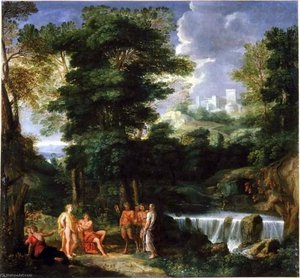
アーティストの略歴
Francisque Millet: Life and Legacy
Early Life and Training
- Born in Antwerp, Belgium in 1642, Francisque Millet (also known as Jean-François Milée) was the son of a French ivory worker who had settled in the region.
- He began his artistic training with Laurentius Frank, a cousin of Abraham Genoels.
- Remarkable Talent: Genoels noted Millet’s extraordinary ability to copy artworks quickly and accurately from memory, without needing to constantly refer to the original.
- At the age of eighteen, he married his master's daughter, solidifying his position within the artistic community.
Artistic Development and Influences
- Italianate Landscapes: Millet specialized in Italianate landscapes populated with figures, a style heavily influenced by Nicolas Poussin and his brother-in-law, Gaspard Dughet.
- His work often depicted serene scenes inspired by the Roman countryside, featuring classical architecture, lush vegetation, and pastoral figures.
- Travels and Exposure: He traveled extensively throughout France, England, and Holland, gaining exposure to different artistic styles and patrons. However, he was known for spending beyond his means.
Major Works and Style
- Millet produced a substantial body of work including landscapes with religious themes like “Landscape with Christ and His Disciples” as well as mythological scenes such as "Mercury and Battus".
- Characteristic Features: His paintings are characterized by their balanced compositions, atmospheric perspective, and meticulous attention to detail.
- He skillfully integrated figures into his landscapes, creating harmonious and visually appealing scenes.
- Examples of notable works include “Imaginary Landscape”, “Italian Scene With A Shrine” and "Classical Landscape".
Later Life and Death
- Millet’s life was tragically cut short in 1679 at the age of 36.
- Sudden Illness: He succumbed to a sudden high fever that led to insanity, and he died shortly thereafter.
- He was buried in the St Nicolas-des-Champs church in Paris.
Family Legacy and Historical Significance
- Jean-François Millet II: His son, also named Jean François Millet (1666–1723), followed in his father’s footsteps and became a member of the Academy of Painting in 1709.
- The younger Millet consulted artists like Watteau to enhance the figures within his landscapes.
- Influence on Later Artists: While overshadowed by later artists with the same name, Francisque Millet’s work paved the way for subsequent generations of landscape painters.
- Mark Twain even drew inspiration from Millet's life (and the confusion surrounding his name) to write the farcical play “Is He Dead?”.
- Millet’s contribution lies in his skillful execution of Italianate landscapes and his ability to blend classical influences with Baroque sensibilities.
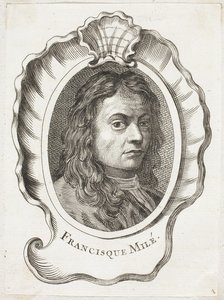
Francisque Millet
1642 - 1679 , Belgium
基本情報
- Birth Date: 1642-04-27
- Birth Place: Antwerp, Belgium
- Death Date: 1679-06-03
- Influenced:
- Jean-François Millet II
- Jean Coustel
- Influenced By: Nicolas Poussin, Gaspard Dughet
- Movement: Baroque
- Name: Francisque Millet
- Nationality: Flemish-French
- Notable Works:
- Landscape with Christ and His Disciples
- Imaginary Landscape
- Mountain Landscape With Lightning
関連記事

ロマン派ランドスケープ:時代を彩る巨匠の10選|アートとインテリアの世界
ロマン派絵画の時代を彩る10選。巨匠たちの風景が織りなす感動の世界へ。ターナー、ルーベンスなど、名作の裏話と高精細複製でアートをお部屋に。ArtsDot.comで至福のアート体験を。

Evocations of Place: A Historical Journey Through Landscape Art
Explore the rich history of landscape art with ArtsDot. Discover renowned artists, movements like Impressionism & Romanticism, and expert guidance for collecting timeless pieces. Find your perfect serene escape today!

ジョン・コンスタブルの傑作25選:英国風景画の巨匠が描く自然と光の詩 | ArtsDot
ジョン・コンスタブルの傑作25選。英国風景画の巨匠が描く自然と光の詩の世界へ。ロマン主義を代表する絵画、デダム・ヴェールやヘイ・ウェインなど、ArtsDotで高品質なアートプリントをお楽しみください。インテリアに深みと感動を。コレクションはこちら。
Cornelis van Poelenburch: Bridging Mannerism & the Dutch Baroque Landscape
Discover Cornelis van Poelenburch, a pivotal Dutch Baroque landscape painter bridging Mannerism & Italianate styles. Explore his life, key works, and lasting influence on 17th-century art with ArtsDot.

バロック美術を極めた至宝:時代を彩る10大名作の世界
バロック美術の華!カラヴァッジョ、ベルニーニら巨匠が創り上げた10大名作を徹底解剖。ドラマチックな色彩と豪華絢爛の世界観に触れ、至宝のアートプリントで空間を彩ろう。ArtsDot.comで美術館品質の複製と洗練されたインテリアを見つけましょう!