 プレビュー
プレビュー
 プリントを購入
 シェアする
シェアする シェアする
シェアする
 詳細を見る
詳細を見る

 ダウンロード
 似ている作品
 X線調査
X線調査 スライドショー
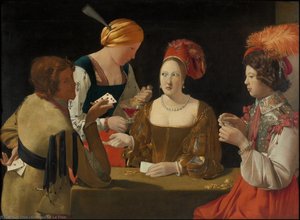
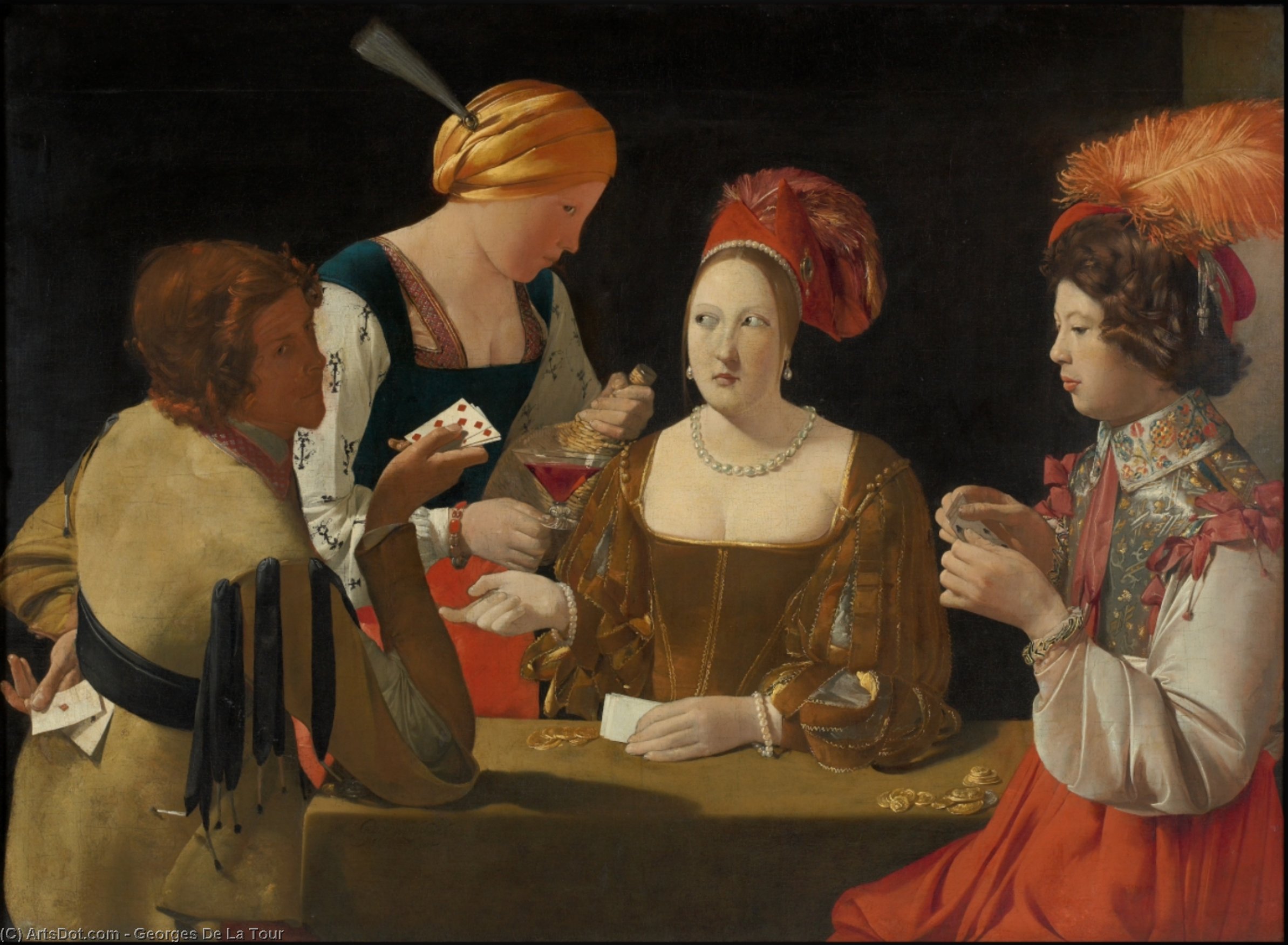
ダイヤのエースを持つ詐欺師


 詳細を見る
詳細を見る




P118B $10

P118H $10

P118W $10

P438Z $10

P508JH $12

P508YH $12

P805H $10

P805Z $10

P919BZ $10

P919G $10

P919XJ $10

P959ZH $10

P968JZ $12

W106C $8

W218G $10

W218JH $8

W218Y $10

W307PJ $10

W316G $10

W316PJ $8

W316Y $10

W398PJ $8

W4111J $10

W500HY $15

W500JH $15

W692G $12

W849H $8

W940BG $15

W953PJ $8




作品のオリジナル比率に合わせた、当店の規定サイズからお選びください。

特定のフレームやスペースに合わせて、ご希望のサイズをご入力いただけます。選択されたサイズが元の画像の比率と異なる場合、アートワークをトリミングするか、手描きで要素を追加して絵画を拡張いたします。デジタルモックアップ を制作し、制作開始前にご確認(承認)をいただきます。
画面上のプレビューは、実際のトリミングや拡張を正確に反映しているものではありません。最終的な構図は、モックアップによってのみ正確にご確認いただけます。
カスタムサイズもご利用いただけますが、元の比率を維持するためには、あらかじめ用意されたリストからサイズを選択することをお勧めいたします。
ご注文後、ArtsDot.com チームより詳細な指示をお送りするとともに、仕上がりイメージ(モックアップ)をご提供いたします。


 ガラスオプションは、110cm未満のサイズでのみご利用いただけます。

ダイヤのエースを持つ詐欺師
複製技法
複製画のサイズ
-


合計金額
$ 263
作品解説
影と欺瞞が織りなす傑作
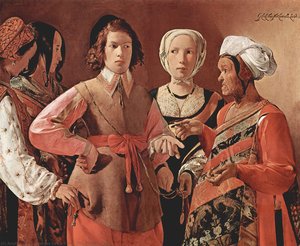
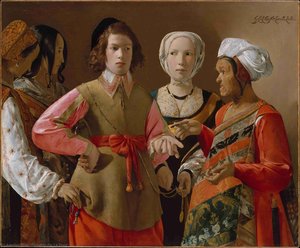
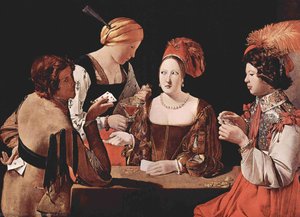
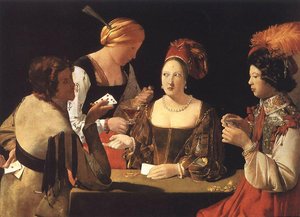
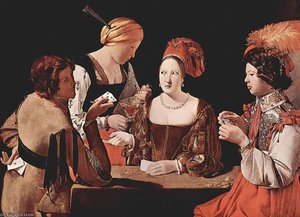
17世紀の静寂に包まれた琥珀色の片隅で、ジョルジュ・ド・ラ・トゥールは、現代の魂をも魅了し続ける深い道徳的緊張の瞬間を捉えました。ダイヤのエースを持つ詐欺師は、単なるカードゲームの描写ではありません。それは、時の中に凍結された心理ドラマなのです。この傑作を凝視するとき、私たちは光と影が真実と裏切りの繊細なダンスを繰り広げる、密やかな世界へと引き込まれます。場面は、ゴブレットやワイン、散らばったカードといった、余暇の産物で満たされたテーブルを中心に展開していますが、その社交の場の表面下には、計算し尽くされた策略が潜んでいます。構図は、言葉にできない意図の網に囚われた4人の人物が形成する親密な輪へと鑑賞者を誘い、神秘性と知的な深みを呼び起こそうとするあらゆるコレクションにとって、理想的な中心的存在となっています。
ド・ラ・トゥールの輝きは、比類なきキアロスクーロ(明暗法)の支配力にあります。カラヴァッジョのより攻撃的な影とは異なり、ド・ラ・トゥールは光に対してより柔らかく、瞑想的なアプローチを採用しています。目に見えない温かな輝きが中心人物たちを照らし出し、その顔立ちや当時の衣装の豊かな質感を、まるで触れられるかのような精密さで彫り出しています。この技法は単に奥行きを生み出すだけでなく、絵画内における道徳的な指針としての役割も果たしています。光は、騙されようとしている青年の脆弱さを浮き彫りにする一方で、背景の深くベルベットのような暗がりは、共謀者たちが曖昧さの中に身を潜め、周辺部に留まることを可能にしています。インテリアデザイナーにとって、この光と影の相互作用は、洗練された美学を提供し、あらゆるキュレーションされた空間に古典的なドラマと静かな贅沢さをもたらしてくれます。
歴史的共鳴と象徴的な深み
ルイ13世の治世に描かれたこの作品は、貴族的な優雅さと、街角の生々しい現実との境界がしばしば曖昧であった時代を反映しています。登場人物たちは身分の高さをうかがわせる豪華な衣服を纏っていますが、その行動は紛れもなく卑俗なものです。この並置は、美徳と悪徳への執着が強かった当時の精神性を象徴する強力なシンボルとして機能しています。詐欺師が背後からエースを引き出すという行為そのものが、物語的な緊張感を生み出す見事な一手であり、観察者を犯罪の沈黙の目撃者へと変貌させます。ワイングラスに反射する光の煌めきから、手の微妙な位置に至るまで、あらゆる要素が、人間の過ちと外見の欺瞞に満ちた性質についての、より大きな瞑想へと寄与しているのです。
この作品の複製を手にすることは、歴史、倫理、そしてバロック様式の不朽の力について語り合うきっかけとなります。それは、騒々しさによってではなく、深い感情的な共鳴を通じて注意を引く作品です。革装本の書斎に置かれるにせよ、現代的なギャラリーの印象的な焦点として飾られるにせよ、ダイヤのエースを持つ詐欺師は比類なき雰囲気をもたらします。これは、単なる賭博のありふれた場面を、人間性の崇高な探求へと変貌させたジョルジュ・ド・ラ・トゥールの能力を示す時代を超えた証であり、審美眼を持つアート愛好家やコレクターにとって欠かすことのできない逸品といえるでしょう。
関連作品
アーティストの略歴
Georges de La Tour (1593–1652): French Baroque Master of Dramatic Chiaroscuro & Tenebrism
Georges de La Tour, a name that resonates with the hushed reverence reserved for masters of light and shadow, remains one of the most compelling figures of the French Baroque. Born in 1593 in Vic-sur-Seille, Lorraine—now Moselle—his life unfolded against a backdrop of religious fervor and political upheaval. While details surrounding his early training remain somewhat elusive—scholars speculate about potential journeys to Italy or apprenticeships with local artists like Jacques Bellange—the seeds of his artistic vision were undoubtedly sown in this environment. He wasn’t born into an artistically established family; his father was a baker, yet the circumstances of his mother's lineage hint at a possible connection to nobility, a subtle influence perhaps reflected in the dignity and quiet grace that permeate his work.
Early Life & Artistic Influences
Georges de La Tour’s educational background remains somewhat unclear, but it is assumed that he traveled either to Italy or the Netherlands early in his career. He may possibly have trained under Jacques Bellange in Nancy—the capital of Lorraine—although their styles are very different. His paintings reflect the Baroque naturalism of Caravaggio—the Italian master who revolutionized painting with his intensely realistic and emotionally charged scenes—yet, De La Tour didn’t simply imitate; he filtered Caravaggism through the prism of Dutch Caravaggisti, particularly those from the Utrecht School like Hendrick Terbrugghen. This fusion resulted in a style that was both powerful and restrained, characterized by a muted palette dominated by earth tones and subtle gradations of light. The Utrecht School's emphasis on dramatic lighting—a technique known as *tenebrism*—significantly shaped De La Tour’s artistic approach.
The Style of Lunéville & Major Works
In 1620 he established his studio in Lunéville, where he would spend much of his career serving both the French court and the Dukes of Lorraine. This dual patronage allowed him to flourish, yet it was within the intimate confines of domestic scenes and religious contemplation that his true genius found expression. His distinctive style—marked by a profound simplification of forms and an almost obsessive attention to detail—became synonymous with the Lunéville School. Among De La Tour’s most iconic works are *The Fortune Teller*, painted around 1630, which captures the eerie atmosphere of nocturnal storytelling; *St Joseph Carpenter*, depicting a serene domestic scene illuminated by candlelight—a motif that would become central to his oeuvre; and *The Lamentation over St Sebastian*, rendered with heartbreaking subtlety and realism—demonstrating De La Tour’s unparalleled ability to convey profound emotional truths.
Rediscovery & Legacy
Despite achieving recognition during his lifetime—he was appointed “Painter to the King” by Louis XIII in 1638—De La Tour’s work fell into relative obscurity after his death in 1652. For centuries, many of his paintings were misattributed to other artists, and his name faded from art historical memory. It wasn't until the early 20th century that a concerted effort was made to rediscover and re-evaluate his oeuvre, led by scholars like Hermann Voss. This rediscovery revealed an artist of extraordinary originality and depth—whose work bridged the gap between Caravaggism and French Classicism—solidifying his place as a pivotal figure in the history of European art. His innovative use of light and shadow—combined with his psychological insight into his subjects—continues to captivate audiences today. He remains celebrated for his ability to imbue everyday scenes with profound meaning and emotional depth.
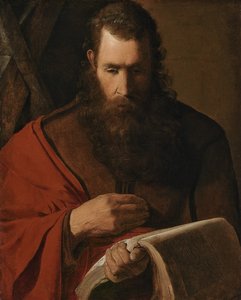
ジョルジュ・ド・ラ・トゥール
1593 - 1652 , フランス
基本情報
- Artistic Movement Or Style: Барокко, Тенебризм
- Artists Who Influenced This Artist:
- Караваджо
- Генрик Тербрюгген
- Date Of Birth: 13 марта 1593 г.
- Date Of Death: 30 января 1652 г.
- Full Name: Georges de La Tour
- Nationality: Французский
- Notable Artworks:
- Пророк Эзекииль
- Поклонение пастухов
- Слезы святого Петра
- Place Of Birth: Вик-сюр-Сейль, Франция
関連記事

ジョルジュ・ブラック傑作25選:革新的なキュビスムの世界と装飾への誘い
ジョルジュ・ブラックの傑作25選。キュビスムを代表する画家、その革新的な色彩と技法に迫ります。名画から知られざる逸品まで、美術史に残る作品群をArtsDot.comで鑑賞。お部屋を彩るアートプリントも多数ご用意。今すぐオンラインでコレクションをご覧ください。
Georges de La Tour: Luminosity, Spirituality & Realism in Baroque Painting
Discover the captivating world of Georges de La Tour, a Baroque master renowned for his dramatic chiaroscuro & spiritual realism. Explore key works, influences, and his remarkable rediscovery. Learn more at ArtsDot.

ジョルジュ・スーラ傑作25選:光と色彩の科学が織りなす芸術の世界|ArtsDot
ジョルジュ・スーラの傑作25選。点描画の光と色彩、印象派から新印象派へ—ArtsDotで美術史を紐解き、リビングやダイニングを彩る高品質なアートプリントを見つけましょう。セーラ作品集をオンラインで鑑賞ください。

ゴヤ傑作25選:スペインの魂を揺さぶる、深遠な芸術の世界 | ArtsDot
ゴヤ傑作25選:ロマン主義を代表するスペインの巨匠、フランシスコ・デ・ゴヤの世界へ。黒衣の女からマハまで、魂を揺さぶる絵画の物語と技法を紐解きます。ArtsDotで高品質なアートレプリカを見つけ、インテリアに深みと風格を。今すぐコレクションをご覧ください。
Maurice Quentin de La Tour: Light, Shadow & the Rococo Portrait
Explore the captivating world of Maurice Quentin de La Tour, a master of Rococo portraiture. Discover his innovative pastel techniques, intimate depictions of French aristocracy, and lasting artistic legacy. Learn more at ArtsDot.